
Blog Search Results


76 results for part
found
within the Blog
6 displayed out of 76 (0.03seconds)Page 5 of 13
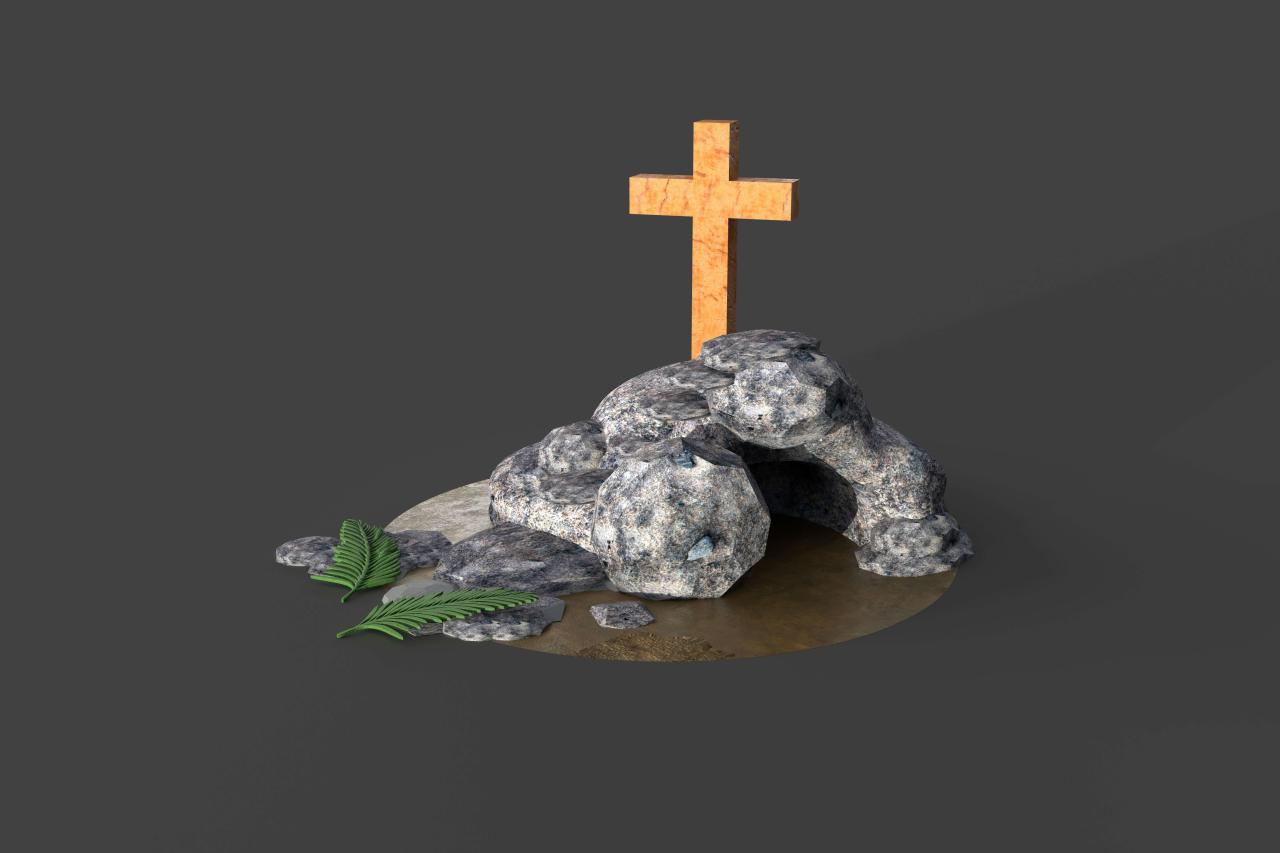
Does Easter Have Pagan Origins?
Posted by Luke J. Wilson on 22nd March 2021 in Easter | Easter,easter sunday,early church,church history,paganism,pagan roots,Ishtar,Eostre,fertility goddess
...And they parted from each other in peace, both those who observed, and those who did not, maintaining the peace of the whole church.–Eusebius, Church History, Book V, Chapter 24
Despite their differences in how they celebrated Easter, they both agreed that it ultimately didn’t matter because at the end of the day, they were both celebrating the risen Lord! Sadly, this peace didn’t last, and the tensions grew until the Roman custom was eventually set as the “right” way to observe the feast. Constantine wrote a letter after Nicea to send to all those who couldn’t attend, so they would know the decision about when to celebrate. It almost begins with...
Before the Pumpkins: The Barbecued Deacon
Posted by Luke J. Wilson on 31st October 2025 in Halloween | halloween,martyrdom,martyr,Lawrence
...In our last post, we walked with Perpetua and Felicity through the sands of the amphitheatre, their faith outshining Rome’s cruelty. Now for the final part in this series, we turn to another of the Church’s earliest heroes — one whose courage was matched by an unexpected wit. His name was Lawrence, a deacon of Rome, remembered across centuries as the man who kept his humour even while lying on the griddle.
The Setting: Rome, AD 258
Under Emperor Valerian, a fresh persecution of Christians swept through the Empire. Bishops, priests, and deacons were hunted down, their property seized, and their churches closed. The bishop of Rome at that time was Six...
Lent Day 35: Ambrose of Milan: Concerning the Mysteries: 1-4
Posted by Luke J. Wilson on 10th April 2017 in Lent | Lent,great lent,fasting,early church fathers,devotional,daily reading,Doctor of the Church,lectures,liturgy,catechism,Eucharist,Bishop of Milan,St Ambrose,mysteries,treatise
...Day Thirty-five: St. Ambrose of Milan: Concerning the Mysteries: 1-4
Who: Bishop of Milan from 374 to 397; born probably 340, at Trier, Arles, or Lyons; died 4 April, 397. He was one of the most illustrious Fathers and Doctors of the Church.
What: The treatise was composed for use during the latter part of Lent, for the benefit of those about to be baptised, the rites and meaning of that Sacrament, as well as of Confirmation and the Holy Eucharist. For all these matters were treated with the greatest reserve in the Early Church, for fear of being misused by unbelievers.
Why: Ambrose states that after the explanations he has already given of holy living (in pr...
The Relationship Between Jesus and Sophia
Posted by Luke J. Wilson on 22nd July 2021 in Christology | wisdom,Sophia,feminism,women,christology,early church,early church fathers
...the final part of the claims from the pastor in the Instagram post:
Sophia is our divine Mother.God is She who loves you.
For the final two lines of the caption, I’m going to quote from Matthew J. Ramage’s book, Dark Passages of the Bible: Engaging Scripture with Benedict XVI & Thomas Aquinas, as he deals with, and concludes, what I find to be the best way to respond to whether we should address God as “mother” or “she”, or anything primarily feminine:
In the Old Testament, see Dt 32:18 ( “the God who gave you birth”); Ps 22:10 (which appears to compare God to a midwife); Ps 131:2 (“like a child quieted at its mother’s breast”); Is...
The Deity of Christ in the Gospel of Matthew - part 1
Posted by KingsServant on 22nd December 2022 in Apologetics | islam,islam vs christianity,debate,gospels,apologetics,deity of christ
...The titles “Jehovah” and “God” given to Jesus in Matthew 1
This is a guest post by “KingsServant”, see part 2 here.
In this series of articles, I want to present the case that Matthew teaches Jesus is God, from the arguments I made in 2 moderated debates with a Muslim apologist, Mohammed Abd al Razack, commonly known as Al Yemeni. Although I will be going into far more detail, not having to deal with the tight time controls of a debate format.
The moderated debate on YouTube with me (KingsServant)
Matthew’s teaching of the Trinity and in particular that Jesus is God is by no means limited to the baptismal formula given by Christ after h...
Is it the end of the world as we know it?
Posted by Luke J. Wilson on 27th September 2015 in Eschatology | blood moon,last days,end of the world,second coming,apocalypse,prophecy,false prophets,predictions
...it's all part of God's plan to destroy the world, so why bother trying to change it?
As with most of these end-of-the-world predictions, they are often based on news headlines, random astronomical events, and some flimsy theology to hold it all together. Like Hagee proclaiming that his "mind reeled" when realising these Tetrads (the technical term for the four blood moons), all land on Jewish feast days on the Jewish calendar. Not to mention the other apparent and "significant" events that have happened to Israel before when Tetrads have fallen on Jewish calendar events.
At first glance this may sound somewhat convincing of it being something special, or at t...
Powered by WebBoss.io 3.7.1
Copyright © 2026 The Sacred Faith: Timeless Truths for Modern Minds. All Rights Reserved.
