
Blog Search Results


53 results for progressive revelation
found
within the Blog
6 displayed out of 53 (1.07seconds)Page 5 of 9

Creedal Christians: The Apostle's Creed
Posted by Luke J. Wilson on 11th October 2018 in Early Church | creedal christians,creeds,creedal,apostles,apostolic creed,apostolic tradition,rule of faith,early church fathers,early church
The Apostle's creed — what is it and why is it called that?
Outside of the New Testament, this is one of the oldest creeds we have, dating back to the sixth – eighth century in its current form that is commonly known today, but having its origins much earlier — as far back as the second century in a shorter form known simply as the “Old Roman Creed”.
The Apostles creed is also sometimes referred to as the “Rule of Faith” as it is a summary of the Gospel and is the basis for pretty much all modern theology. The points of the creed cover all the major pillars of the Christian faith which aims to safeguard what is true orthodoxy (right belief), whic...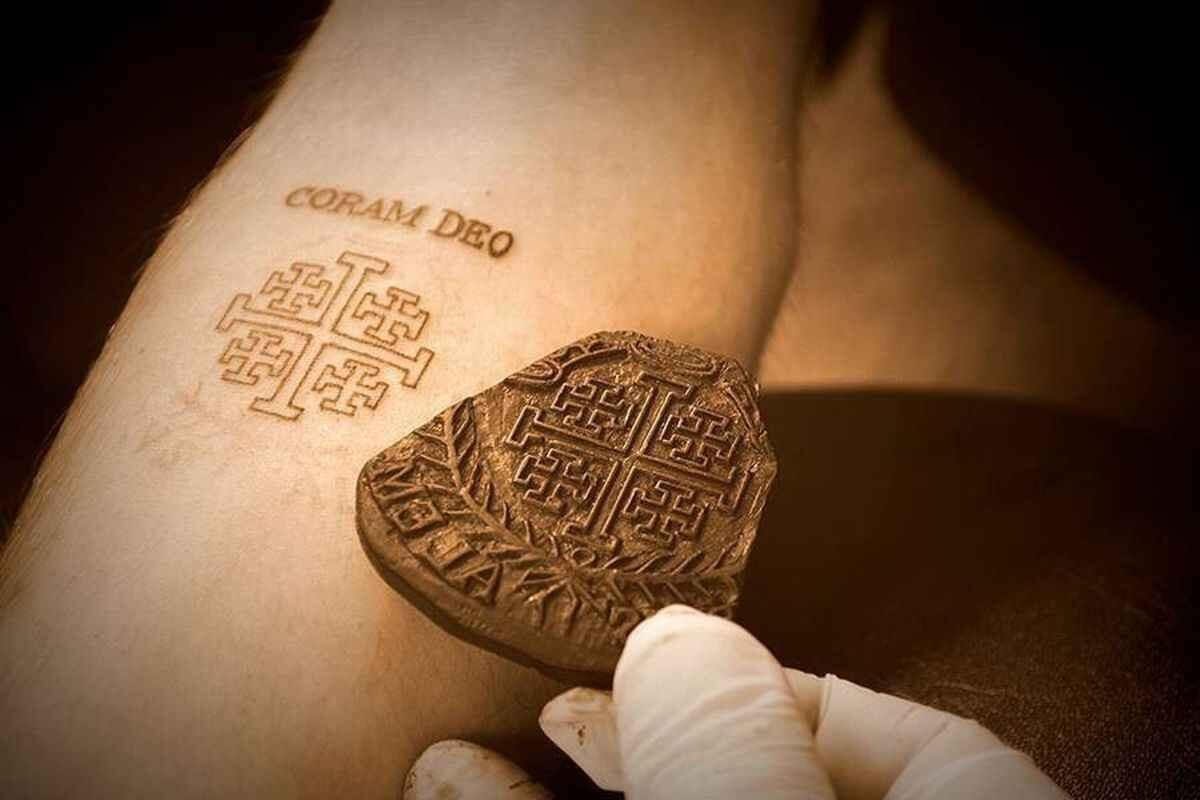
Should Christians get tattoos, and is it Biblical?
Posted by Luke J. Wilson on 31st August 2019 in Tattoos | tattoos,church history,Basil the Great,Leviticus,Old Testament
I was in a discussion not so long ago about tattoos, and I was asked about the historical view on this practice. It wasn’t something I had looked into before from a Church Fathers point of view, so it was an interesting topic of study. In my searching, I found this article from a Catholic site which seems to give a pretty interesting overview of some of the views about tattoos in the earlier centuries. The following is a quote about a Church Council in the context of native Britons, who still practiced tattooing at that time for pagan ritual, something which Tertullian also gives a fleeting reference to around 213 AD in his On the Veiling of Virgins, ch. 10....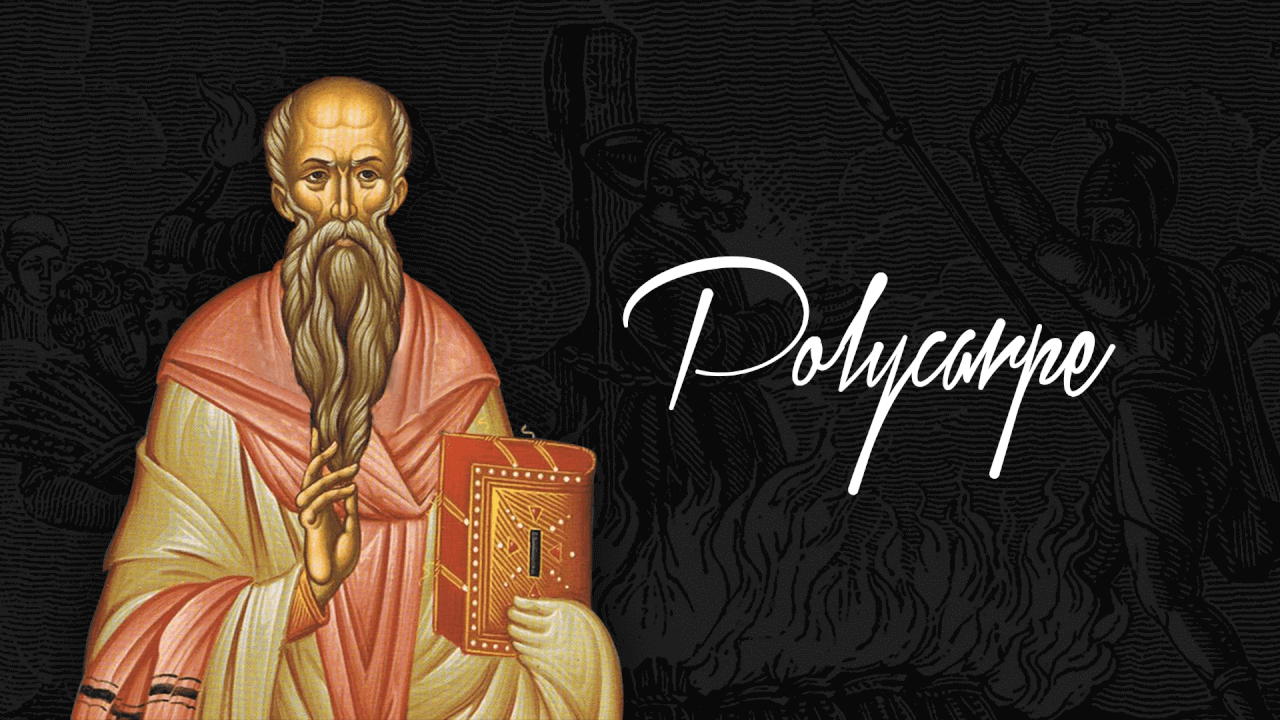
How Polycarp (And Others) Show The Early Use Of The New Testament
Posted by Luke J. Wilson on 21st November 2021 in Early Church | early church,early church fathers,polycarp,new testament,canon,biblical canon
Polycarp is one of the most important people in early church history. He was a disciple of John the Evangelist, and later became the bishop of Smyrna.
Polycarp was born around 69 A.D. in Smyrna, which is now modern-day Turkey. He grew up during a time when Christians were being persecuted for their beliefs, and he himself became a Christian at a young age. Polycarp is regarded as one of the earliest church fathers because he had a significant impact on Christianity as it spread throughout Asia Minor and Europe, and he also played an important role in shaping biblical canon for centuries to come.
We don’t know a great deal about his life, apart from t...So, where are we going?
Posted by Luke J. Wilson on 10th April 2014 in Judgement | judgement, hell, revelations, Jesus, Great White Throne
On judgement
...there is only the Spiritual realm, ...and to which one either serves God in heaven or resides in hell awaiting Judgment.
Is it as simple as that?
This is an actual quote from someone during an online discussion on the subject, but this is not anything against who ever said it, but rather a response to the prevailing view behind it that people generally seem to adhere to.
The topic of Hell in itself is a rather large subject that is much more complex that you might initially think, and is a topic I intend to cover here soon as a series.
Anyway, back to the subject at hand. A lot of Christians would say that hell is the 'final destin...
Is it the end of the world as we know it?
Posted by Luke J. Wilson on 27th September 2015 in Eschatology | blood moon,last days,end of the world,second coming,apocalypse,prophecy,false prophets,predictions
September 28th 2015 will be a supermoon and a red moon at that.
I last wrote about these four "blood moons" way back in April last year when certain self-styled prophets John Hagee and Mark Blitz's "End Times" teaching gained some popularity (and subsequent book promotions). One thing that I predicted in my previous article was that if nothing else comes from all of this "end is nigh" nonsense, is that these "prophets" would indeed profit from their books – as has been shown to be true in which the "Four Blood Moons" book has been in the top 20 on the New York Times Best-seller List, and has also recently been turned into a docu-drama!
Other than th...
Was Jesus worshipped in the New Testament?
Posted by Luke J. Wilson on 14th November 2023 in Worship | jesus,incarnation,worship,muslim,islam,islam vs christianity,Pliny the Younger
Often a claim from critics of the faith, and especially Muslims arguing against Christianity, is that Jesus wasn't thought of as God early on and more to the point, wasn't ever worshipped in the accounts of the New Testament.
This is a very cursory look at a few places within the Gospels where Jesus was clearly worshipped, either by his followers or others he encountered, and didn't rebuke or correct people for doing something wrong.
Worshiping Jesus:
1. Matthew 14:33 - The Proclamation of Divinity
And those in the boat worshiped him, saying, “Truly you are the Son of God.”
In the aftermath of a storm on the Lake of Galilee which Jesus calmed with a...
Powered by WebBoss.io 3.7.1
Copyright © 2026 The Sacred Faith: Timeless Truths for Modern Minds. All Rights Reserved.
