
Blog Search Results


36 results for baptism
found
within the Blog
6 displayed out of 36 (0.03seconds)Page 6 of 6

Jesus, Mithras and Ancient Roman Cults: Separating Fact from Fiction
Posted by Luke J. Wilson on 25th April 2023 in Mythology | Jesus,mithras,apologetics,roman gods,atheist
...ents like baptism and communion (Eucharist).
While both belief systems value spiritual growth, their approaches differ, especially in that with Christianity all the work for salvation is achieved by and through Jesus, we don’t work or do things to attain that salvation.
We also know what the seven grades of initiation into Mithraism were called, thanks to Jerome listing them out in chapter two of his letter To Laeta:
Those I mean by which the worshippers [of Mithras] were initiated as Raven, Bridegroom, Soldier, Lion, Perseus, Sun, Crab, and Father?
It’s not unusual for religions to have special rites and rituals, but since we know very little about Mit...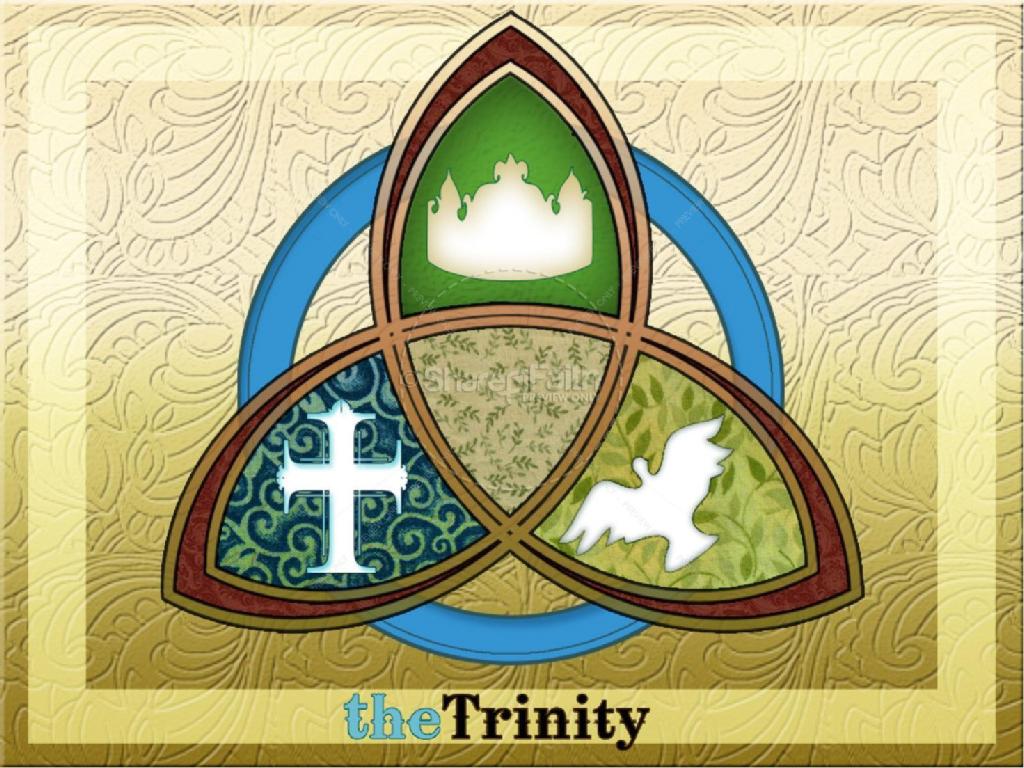
The Battle for the Trinity: Historical Heresies and Church Defences
Posted by Luke J. Wilson on 1st July 2024 in Trinity | trinity,heresy,heretics,theology,creeds
...Jesus’ baptism where the Father speaks, the Son is baptised, and the Spirit descends like a dove.
Patristic Quote: Tertullian argued against Modalism by affirming the distinctiveness within the Godhead: “We do indeed believe that there is only one God, but we believe that under this dispensation… there is the Son, who has issued from the Father, and the Spirit, who has issued from both Father and Son” (Against Praxeas, 2).
Nestorianism
What It Taught: Nestorius, a 5th-century bishop, suggested that Jesus Christ was two separate persons — one human and one divine — rather than one Person with two natures.
Church’s Response: The Coun...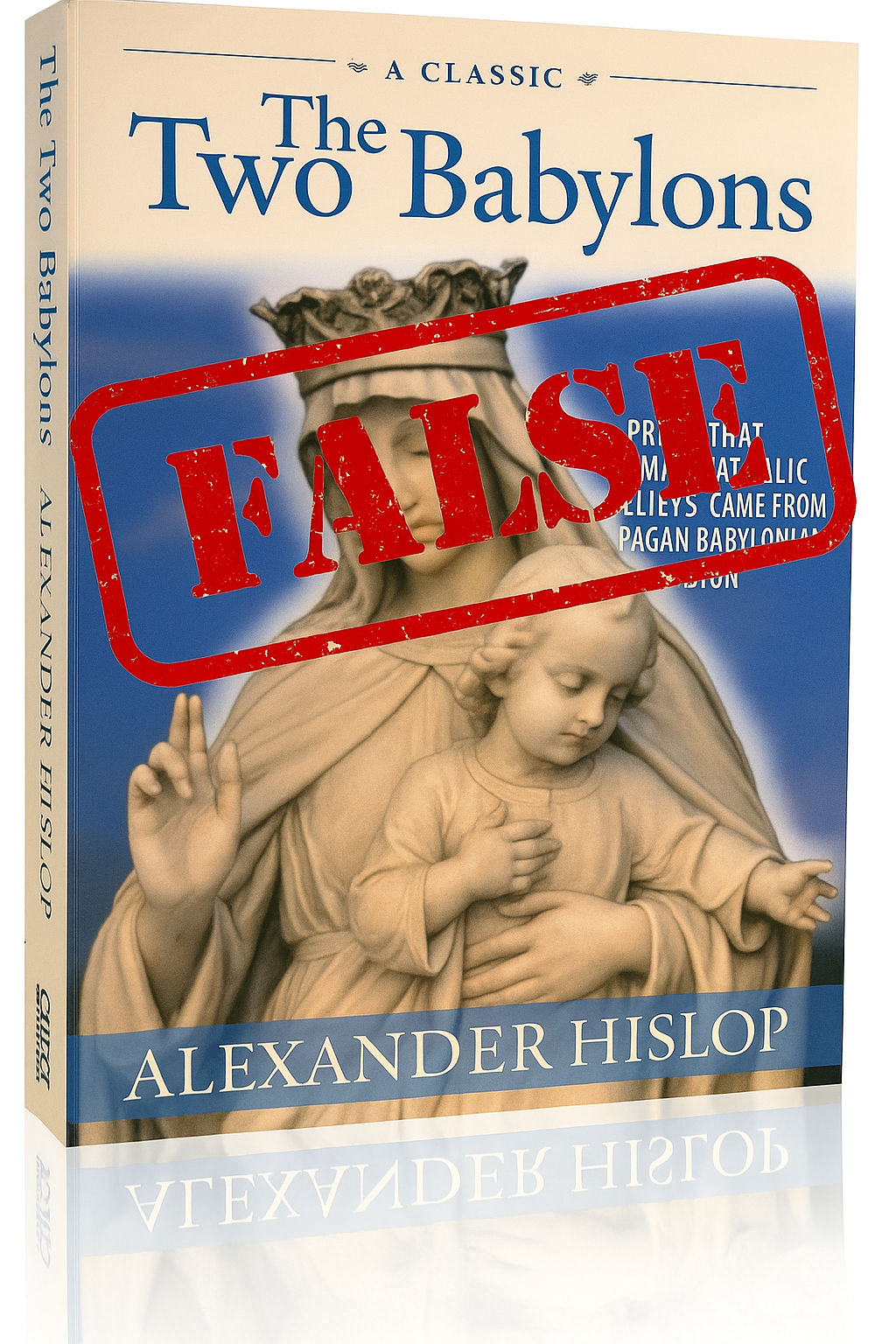
The Two Babylons Exposed: The Book That Misled Millions
Posted by Luke J. Wilson on 21st April 2025 in Easter |
...aring for baptism. The number forty comes from Scripture: Jesus’ forty days in the wilderness, Moses’ fast on Sinai, and Elijah’s journey to Horeb. Church Fathers like Irenaeus and Athanasius saw it as a time for self-denial and spiritual renewal — not mourning a pagan god.
Yes, there are pagan festivals that involve seasonal death and rebirth stories. But similarity does not mean origin. If that logic held, then even Jesus’ resurrection would be suspect because pagan cultures also told resurrection-like stories. Yet the gospel stands apart — not because of myth but because of history and revelation.
Why Hislop’s Work Persists
Even thou...
?️ How Do I Become a Christian? A message for Muslims seeking to understand the way of Christ
Posted by Luke J. Wilson on 20th May 2025 in Islam | Islam,islam vs christianity,muslim,Christianity,apologetics
...You are not alone. Around the world, many Muslims — people who already believe in one God, pray, and seek to live righteously — are drawn to know more about Jesus (ʿĪsā in Arabic). Some have heard He is more than a prophet. Some have sensed His presence in a dream or vision. And some simply long to know God more deeply, personally, and truly.
So what does it mean to become a Christian? And how can you take that step?
This guide is for you.
1. What Christians Believe About God and Jesus
➤ One God, Eternal and Good
Christians believe in one God — the same Creator known to Abraham, Moses, and the prophets. But we also belie...
God from God: The Eternal Son in the Crib
Posted by Luke J. Wilson on 13th December 2025 in Christmas | advent,incarnation,xmas,christmas
...hrist’s baptism is a staged illusion.
Modalism collapses the Persons into one persona wearing different masks.
2. Arianism
Arius taught that:
Jesus was created by God ex nihilo
He is a divine-like being, but not equal in essence
This makes Jesus the highest creature… but still a creature.
If Jesus is created, then He cannot:
reveal God perfectly
unite humanity to God
save us entirely and absolutely
Only God can reconcile us to God.
The Nicene Creed: Drawing a Line in the Sand
At the Council of Nicaea (325 AD), the Church responded boldly and clearly:
God from God, Light from Light, true God from true God,...
On the Feast of the Nativity, a sermon by Leo the Great
Posted by Luke J. Wilson on 22nd December 2018 in Christmas | nativity,christmas,xmas,leo the great,sermon
...In the days leading up to Christmas, I wanted to share a sermon from a man known as Leo the Great (aka Pope Leo I), who was a Pope from 440-61 AD. He was one of the most significant and important men in Christian antiquity, as he tried to combat the heresies which seriously threatened church unity in the West, such as Pelagianism. This sermon of his about the incarnation of Christ and what it means for us has always stuck with me since I first read it last April when writing my own book on the Early Church Fathers.
It's not that long, so take the time to read it through and let the words sink in as we prepare for Christmas to remember and celebrate the birth...
Powered by WebBoss.io 3.7.1
Copyright © 2026 The Sacred Faith: Timeless Truths for Modern Minds. All Rights Reserved.
