
Blog Search Results


115 results for christians
found
within the Blog
6 displayed out of 115 (0.03seconds)Page 6 of 20

Four Blood Moons and everyone loses their minds
Posted by Luke J. Wilson on 16th April 2014 in Christianity | blood moon,prophecy,End Times,Second Coming,Return of Christ,news,predictions,HuffPost,Rapture,John Hagee,false prophets
According to NASA, there are about two lunar eclipses per year. This time there happens to be four all within 18 months - something astronomers call a tetrad.
I'm slightly surprised I've not seen much about this yet (maybe a good thing?), but it does seem as though this is an event certain christians have been waiting for - and writing books about! I came across this on a recent Huffington Post article which gives this story also about church leaders saying these moons are "an omen of Armageddon and Second Coming of Christ", but I'm not so sure about that.
I did recognise one of the names mentioned, though: John Hagee, a Texas megachurch pastor. It was p...
Lent: Day 2 - Mathetes to Diognetus, pt. 1
Posted by Luke J. Wilson on 3rd March 2017 in Lent | Lent,great lent,fasting,early church fathers,devotional,daily reading,epistle of mathetes to diognetus
Day two: Epistle of Mathetes to Diognetus: Chaps. 1-6
Who: Anonymous author, “mathetes” is not a name, but is the Greek word for “a disciple”
What: possibly one of the earliest examples of a Christian apologetic defending the faith from its accusers, written to someone interested in learning more about the faith and its customs
Why: The Christian faith was under attack and ridicule in the early centuries, many things about the Church were misunderstood and so various christians took to writing apologetic's (defences) to clarify doctrines and beliefs from being maligned.
When: Estimated between AD 130 and late 2nd century
I've only ever come acros...
Lent Day 25: Athanasius: Life of Anthony: Chaps. 41-50
Posted by Luke J. Wilson on 29th March 2017 in Lent | Lent,great lent,fasting,early church fathers,devotional,daily reading,Athanasius,Bishop of Alexandria,Confessor,Doctor of the Church,Anthony the Great,demons,demonology,satan,devil
Day Twenty-five: St. Athanasius: Life of Anthony: Chaps. 41-50
Who: Bishop of Alexandria; Confessor and Doctor of the Church; born c. 296; died 2 May, 373 AD. He was the main defender of orthodoxy in the 4th-century battle against the Arianism heresy. Certain writers received the title “Doctor” on account of the great advantage their doctrine had on the whole Church, Athanasius especially for his doctrine on the incarnation.
What: The biography of Anthony the Great’s life, which helped to spread the concept of Christian monasticism, particularly in Western Europe.
Why: From the letter’s own prologue: “The life and conversation of our holy Father,...
American Gun Violence and the Early Church on War and Violence
Posted by Luke J. Wilson on 3rd October 2017 in Early Church | early church,early church fathers,gun violence,America,mass shooting
...es/should-christians-be-encouraged-to-arm-themselves
https://rogueminister.wordpress.com/2008/11/19/quotes-the-early-church-on-war-and-violence
https://www.nbcnews.com/news/us-news/several-casualties-reported-texas-church-shooting-n817751
https://www.theguardian.com/us-news/2017/nov/07/trump-texas-church-shooting-tougher-gun-laws-would-not-have-prevented
https://www.theguardian.com/us-news/2017/nov/07/trump-texas-church-shooting-tougher-gun-laws-would-not-have-prevented
https://twitter.com/realDonaldTrump/status/925534445393928199 ...
Creedal christians: Introduction
Posted by Luke J. Wilson on 29th September 2018 in Early Church | creeds,creedal christians,creedal,early church,church history
...I’m starting a new four part series over the coming weeks which will be looking at the different historical creeds of the Church which have been recited, used and handed down for two millennia, beginning with the very first formal creed: the Apostles Creed. This series will be a mixture of historical background plus a commentary on the creed itself to see where each statement is based in Scripture, and why we can trust them to accurately portray the Faith.
What are creeds and why should we accept them?
The word “creed” comes from the Old English crēda, and from Latin crēdo meaning “I believe”. A creed is basically a set of beliefs which you profess...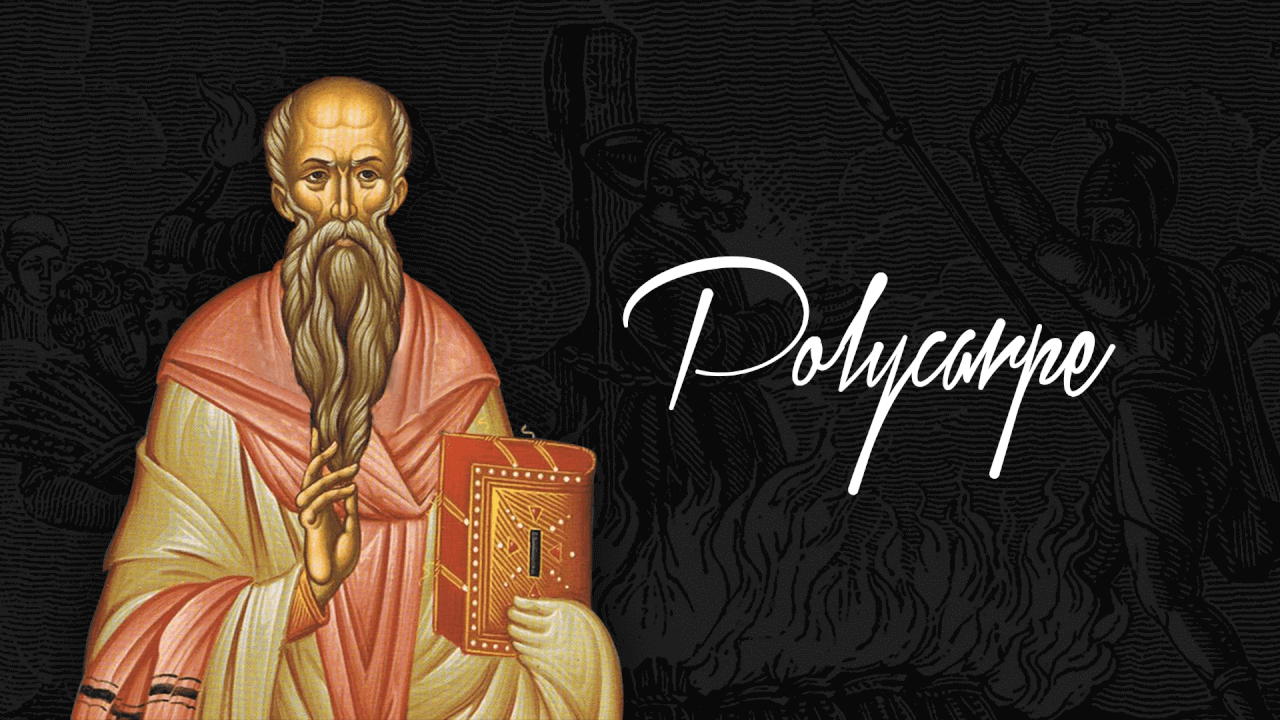
How Polycarp (And Others) Show The Early Use Of The New Testament
Posted by Luke J. Wilson on 21st November 2021 in Early Church | early church,early church fathers,polycarp,new testament,canon,biblical canon
...Polycarp is one of the most important people in early church history. He was a disciple of John the Evangelist, and later became the bishop of Smyrna.
Polycarp was born around 69 A.D. in Smyrna, which is now modern-day Turkey. He grew up during a time when christians were being persecuted for their beliefs, and he himself became a Christian at a young age. Polycarp is regarded as one of the earliest church fathers because he had a significant impact on Christianity as it spread throughout Asia Minor and Europe, and he also played an important role in shaping biblical canon for centuries to come.
We don’t know a great deal about his life, apart from t...
Powered by WebBoss.io 3.7.1
Copyright © 2026 The Sacred Faith: Timeless Truths for Modern Minds. All Rights Reserved.
