
Blog Search Results


77 results for roman gods
found
within the Blog
6 displayed out of 77 (0.25seconds)Page 6 of 13

Has Brexit just spoiled “End Times” prophecy?
Posted by Luke J. Wilson on 25th June 2016 in Eschatology | end times,Brexit,EU referendum,european union,antichrist,NWO,second coming
Has "Brexit" just spoiled “End Times” prophecy?
In a word, no.
Unless of course you are of a Dispensationalist view, then this sudden exit from the European Union by Britain will have caused you some theological holes you may feel the need to patch up.
There’s already been some satire articles posted in light of this, highlighting the errors of Dispensationalism and its main adherents tendency to interpret Biblical prophecy by the current news headlines. One such article, by The Babylon Bee, poked fun at the current events by writing that “premillenial dispensationalists around the world held emergency meetings Friday morning, frantically adj...
Jesus Like You've Never Seen Before - Discoveries from Early Christian Art
Posted by Luke J. Wilson on 13th May 2023 in Archaeology | archaeology,icons,Jesus,history,historical
I recently made a video on TikTok about what Jesus looks like in religious art and icons across various cultures, showing that people see Jesus as relatable to them and their people groups, and thus often depict Jesus looking the same as their own race. There was a comment made claiming that the Christ Pantocrator icon is exactly what Jesus looked like, and thus all others are wrong. If you’re wondering about the icon name, Pantocrator (Greek: Παντοκράτωρ) literally means “ruler of all”, but usually gets translated as “Almighty” or “all-powerful”.
The oldest known icon of Christ Pantocrator,6th-century encaustic icon fromSaint Catheri...
Lent: Day 17 - Justin Martyr: First Apology: Chaps. 60-68
Posted by Luke J. Wilson on 20th March 2017 in Lent | Lent,great lent,fasting,early church fathers,devotional,daily reading,Justin Martyr,apologetics,Plato,trinity,baptism,sunday worship
Day Seventeen: St. Justin Martyr: First Apology, Chaps. 60-68
Who: Justin Martyr was a Philosopher who converted to Christianity and became a tireless evangelist and apologist. Justin wrote more Christianity than any other person prior to his time. He is classified herein as Eastern, since he a native of Samaria and his thought patterns were Eastern. However, he spent the last years of his life in Rome, where he was executed as a martyr (c. 165).
What: An apologetic (defence) essay to explain what Christians believe and do.
Why: Justin is demanding the Emperor to investigate accusations and unjust persecution against Christians so that they at least may fac...
7 things the Lord hates (spoiler: questioning doctrine isn't one of them)
Posted by Luke J. Wilson on 2nd May 2014 in Christianity | gay marriage,homosexuality,Jars of Clay,Dan Haseltine,controversy,in the news,ethics,morality,justice
By now, most people (in Christian circles, at least) will have heard about the Jars of Clay controversy. For those that are thinking "how on earth could there be controversy over some jars?" let me clarify: they are a contemporary Christian music band. The controversy is because the frontman, Dan Haseltine, tweeted some thoughts on the topic of gay marriage.
Shocking, I know.
This is what started it all:
The treatment of people as less than human based on the color of skin is crazy... Or gender, or sexual orientation for that matter.
— Dan Haseltine (@scribblepotemus) April 21, 2014
Not meaning to stir things up BUT... I...
What is Monarchical Trinitarianism?
Posted by Luke J. Wilson on 21st July 2024 in Trinity | trinity,monarchy of the Father,Monarchical Trinitarianism,church fathers,church history
Monarchical Trinitarianism, also referred to as the “Monarchy of the Father,” is a theological perspective that asserts the Father as the sole source (or monarch) within the Trinity. This view maintains a clear distinction of roles among the Father, the Son, and the Holy Spirit while upholding their unity in essence. It is essential to distinguish this from Monarchianism, a heretical belief condemned in the 4th century, which posited that God is a single person rather than three distinct persons.
The Eternal Begottenness of the Son
The term “created” used by the early pre-Nicene Fathers does not align with the Arian view, which posits that the Son was...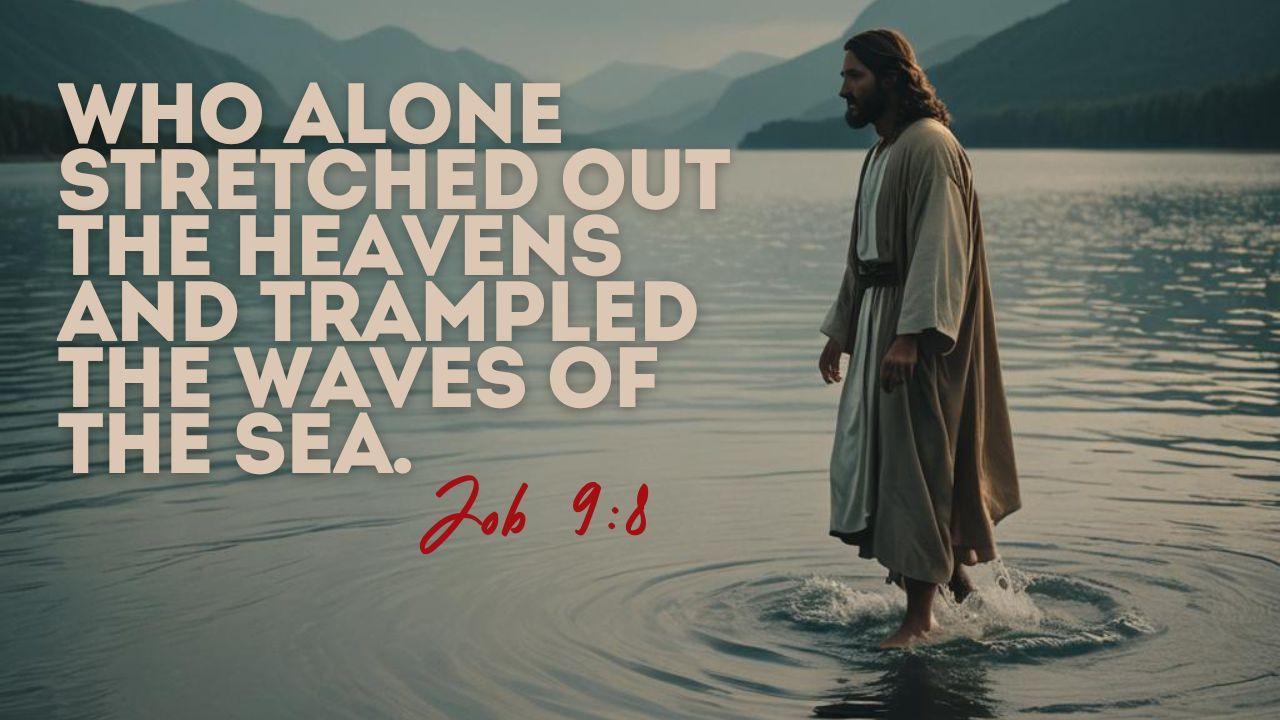
Jesus, Yahweh, And The Power Over The Storm
Posted by Luke J. Wilson on 29th July 2024 in Deity of Christ | Jesus,deity of christ,Yahweh,old testament,elements
Critics of Christianity will often make the claim that Jesus never said he was God or divine in the Gospels. The problem comes when they set unrealistic demands and expectations, like wanting a chapter and verse where Jesus says, “I am God, worship me”. But this isn’t how the Bible works and definitely not how Jesus went about his ministry.
Throughout the Gospels, there are clear connections that reveal the true nature of Jesus in ways that would have been obvious to the Jewish people and leaders of his day who were very familiar with the Torah and other Scriptures we now call the Old Testament. One of the most striking examples is His demonstration of po...
Powered by WebBoss.io 3.7.1
Copyright © 2026 The Sacred Faith: Timeless Truths for Modern Minds. All Rights Reserved.
