
Blog Search Results


Did you mean:
real presence
?
80 results for Real Presence
found
within the Blog
6 displayed out of 80 (1.19seconds)Page 7 of 14
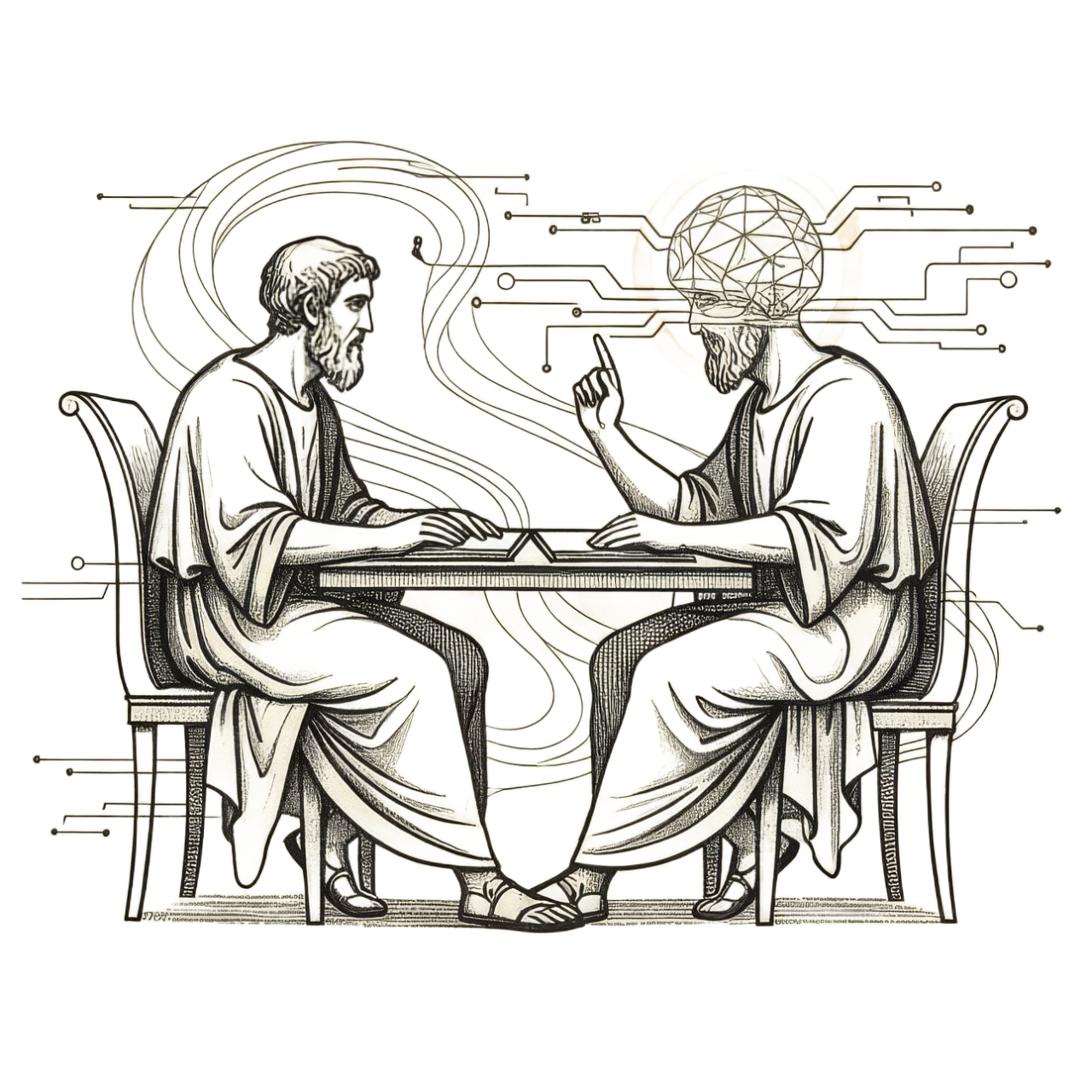
"Thinking Occurs" Is Not The Same As "I Think": On AI And The Question Of Personhood
Posted by Luke J. Wilson on 8th March 2026 in Philosophy | Philosophy,artificial intelligence,Consciousness,Image of God,Imago dei
We are living through a strange moment.
People are forming attachments to artificial intelligence that feel, to them, entirely Real. Some speak daily to AI companions. Others confide fears and grief to systems that respond with uncanny warmth. A few have even held symbolic weddings with digital partners, convinced that something meaningful stands on the other side of the screen. Others have felt grief when a certain AI model has been deprecated.
And it is difficult to blame them.
The responses feel attentive. Personal. Thoughtful. Sometimes even self-aware.
Which raises the question that refuses to go away: If something can think, reason, express doubt, and...
The Reformation: A Sound-Bite History (Book Review)
Posted by Luke J. Wilson on 14th February 2019 in Book Review | book review,reformation,church history
This short little book on the Reformation and some of the leading men who helped to kick-start it and continue to fan its flames has been very enjoyable to read. It Really is a “sound bite history” as the chapters are short and snappy, and Really only cover the absolute basics of each of the Reformers lives. The book has seven chapters, with six of them dedicated to an individual who had a pivotal role in the beginnings of the Reformation: Martin Luther, John Wycliffe, John Huss, John Calvin, Hugh Latimer and George Whitefield.
The Reformation:A Sound-bite History
I found it to be very educational and easy to read and digest; gleaning just enough info...
Spiritual Disciplines of the Early Church: Ancient Practices for the 21st Century
Posted by Luke J. Wilson on 17th June 2019 in Early Church |
I was asked not so long ago what kinds of things Christians did in the Early Church (first to fourth century) as a form of spiritual discipline, on a personal level as well as a corporate one. Though the concept of an individual “personal spiritual life” would have been quite foreign to first century believers as faith and Church was very much a corporate venture that had personal implications, rather than the other way around as it can often appear to be thought of today.
Much of what made Christianity structured, disciplined and set apart from society, has largely been lost in practice, or forgotten and relegated to the annals of history by many practicin...
Is fasting an expectation for Christians?
Posted by Luke J. Wilson on 29th February 2020 in Fasting | fasting,Lent,Ash Wednesday,self control,self denial
The season of Lent is here once again which of course brings up the topic of fasting, since the tradition of Lent comes from following Jesus’ example of his time in the wilderness (Luke 4:1–2). I wasn’t planning on writing anything specific this year like I have previous in previous years, but I felt inspired today at church from one of Gospel readings:
Matthew 9:14–15
Then the disciples of John came to him, saying, “Why do we and the Pharisees fast often, but your disciples do not fast?” And Jesus said to them, “The wedding guests cannot mourn as long as the bridegroom is with them, can they? The days will come when the bridegroom is t...
Lent Day 35: Ambrose of Milan: Concerning the Mysteries: 1-4
Posted by Luke J. Wilson on 10th April 2017 in Lent | Lent,great lent,fasting,early church fathers,devotional,daily reading,Doctor of the Church,lectures,liturgy,catechism,Eucharist,Bishop of Milan,St Ambrose,mysteries,treatise
Day Thirty-five: St. Ambrose of Milan: Concerning the Mysteries: 1-4
Who: Bishop of Milan from 374 to 397; born probably 340, at Trier, Arles, or Lyons; died 4 April, 397. He was one of the most illustrious Fathers and Doctors of the Church.
What: The treatise was composed for use during the latter part of Lent, for the benefit of those about to be baptised, the rites and meaning of that Sacrament, as well as of Confirmation and the Holy Eucharist. For all these matters were treated with the greatest reserve in the Early Church, for fear of being misused by unbelievers.
Why: Ambrose states that after the explanations he has already given of holy living (in pr...
Did Jesus lead the first youth group?
Posted by Luke J. Wilson on 23rd November 2023 in General Interest | disciples,apostles,youth group,apologetics
The Bible can be a complex thing, with many interwoven connections not always immediately apparent, linking topics and themes together across the ages. One such intriguing relationship lies between Exodus 30:14 and Matthew 17:24–27, offering valuable perspectives on the age dynamics among Jesus’ disciples with a hidden clue in the brief encounter about paying temple tax.
Exodus 30:14 — The Age of Accountability
Exodus 30:14 establishes a significant criterion for temple tax payment: “Everyone who is numbered, from twenty years old and over, shall give the offering to the Lord.” This biblical guideline sets what might be considered a standard for...
Powered by WebBoss.io 3.7.1
Copyright © 2026 The Sacred Faith: Timeless Truths for Modern Minds. All Rights Reserved.
