Blog Search Results


Did you mean:
scripture
?
76 results for Scripture
found
within the Blog
6 displayed out of 76 (0.07seconds)Page 7 of 13
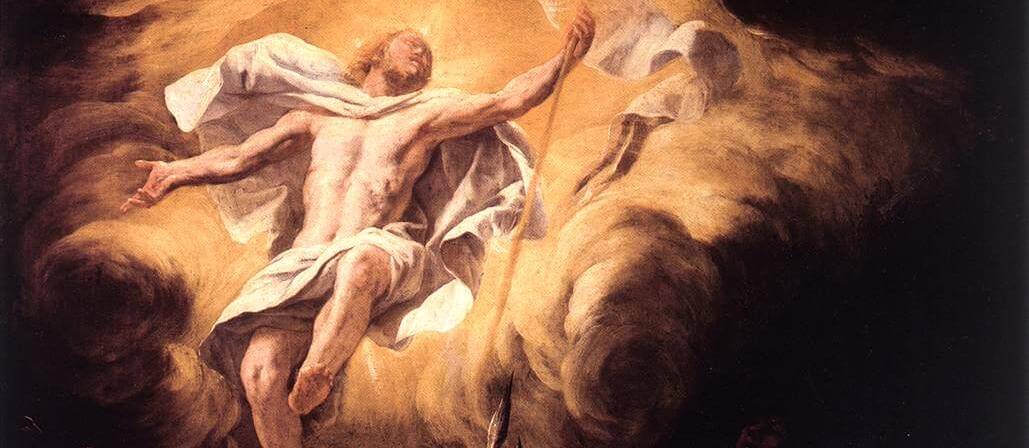
The Resurrection as a historical event
Posted by Luke J. Wilson on 29th April 2017 in Easter | resurrection,easter,apologetics,history,historical
Table of Contents
Jesus was raised bodily – and historically
The resurrection is what makes Christianity unique!
Evidence from Paul
The mystery of the resurrection
The nature of the resurrection
The resurrection is more than physical
What with Easter still ringing in our ears, I thought it would be a good time to revisit the topic of resurrection, but from a historical standpoint and why we can trust it as a real, world-changing event. So, what really is the resurrection? How will we be resurrected, and what does it mean for us that Jesus rose again? Let’s explore what this means for us as Christians, and see what the Scriptures say.
Jesus wa...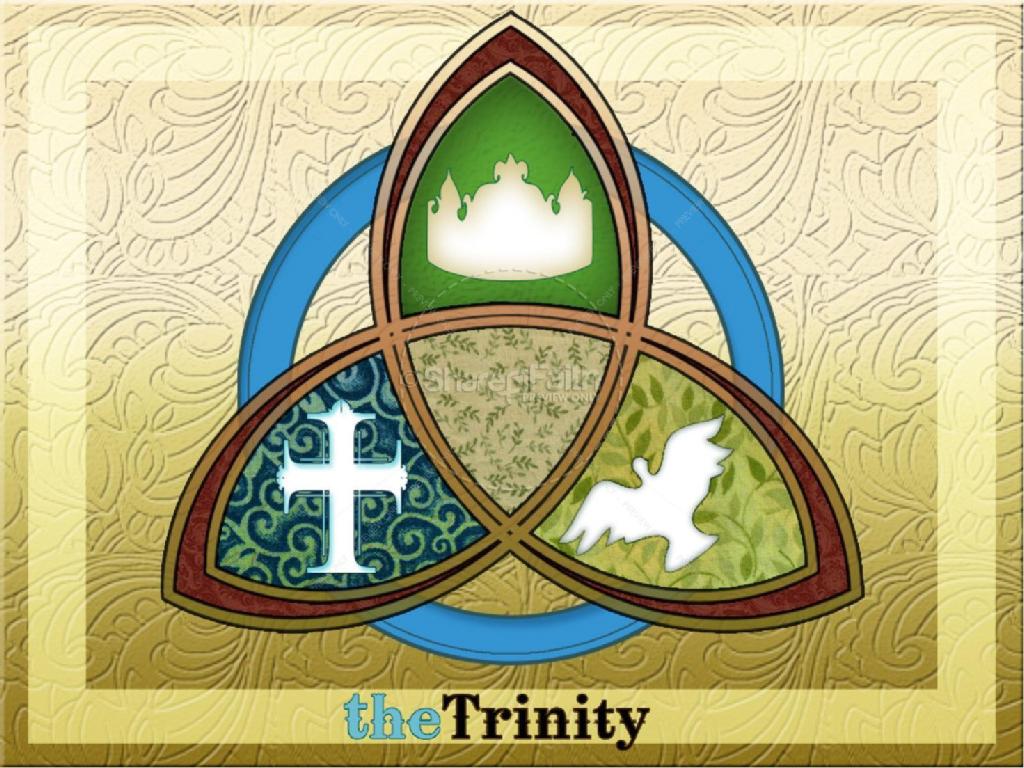
The Battle for the Trinity: Historical Heresies and Church Defences
Posted by Luke J. Wilson on 1st July 2024 in Trinity | trinity,heresy,heretics,theology,creeds
...rooted in Scripture and has been affirmed by the Church through various councils and creeds.
Common Historical Heresies
Arianism
What It Taught: Arius, a priest in the early 4th century, claimed that Jesus Christ was not of the same substance as the Father. He taught that the Son was a created being, distinct and subordinate to the Father.
Church’s Response: The Council of Nicaea in 325 AD condemned Arianism, affirming that the Son is “of the same substance” (homoousios) as the Father. This is reflected in the Nicene Creed: “We believe in one Lord Jesus Christ, the only Son of God… of one Being with the Father.”
Patristic Quote: Athanasius, a...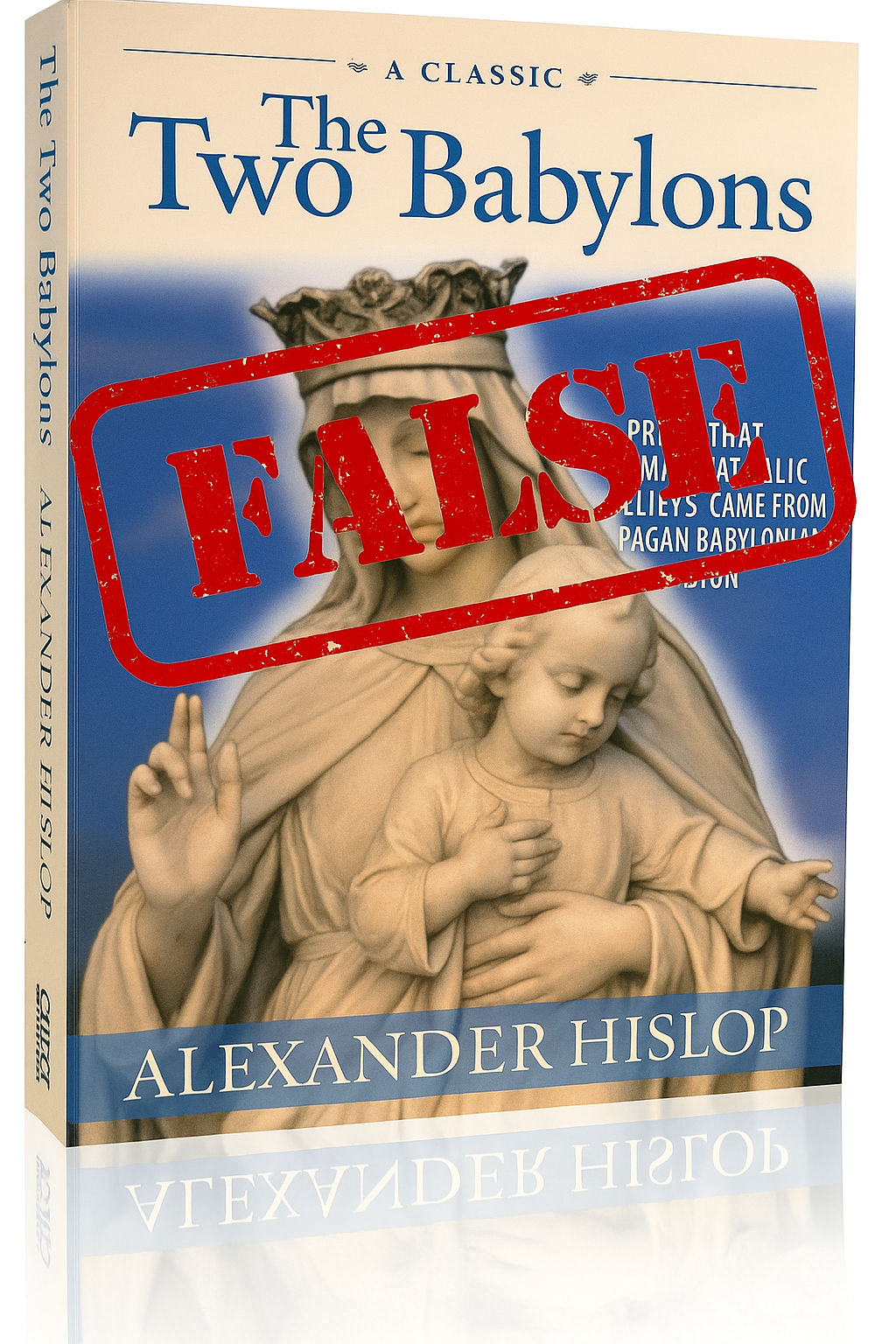
The Two Babylons Exposed: The Book That Misled Millions
Posted by Luke J. Wilson on 21st April 2025 in Easter |
...e lens of Scripture and Christian theology, not through pagan myth. The earliest depictions of Mary and the Christ-child date back to the second century and do not resemble any of the pagan idols. But, again, the common accusations are based on superficial similarities of a woman nursing a child. That’s going to look the same no matter who or what does that!
Oldest depiction of Mary. Dura-Europos Church, Syria, 2nd century
What About Lent and Tammuz?
One of Hislop’s more popular claims is that Lent comes from a Babylonian mourning ritual for the god Tammuz, mentioned in Ezekiel 8:14. He argues that early Christians borrowed the 40-day mourning perio...
The Temptations of Jesus: Pride
Posted by Luke J. Wilson on 18th February 2018 in Lent | pride,temptation,Jesus,forty days,40 days,Lent,fasting,sin,wilderness,desert
...g back to Scripture. Whereas Jesus did have every right to say “I am the Son of God – there’s no ‘if’ about it!” and use his abilities to create a miracle for his own sake, that would also have been selfish and another path to the sin of pride and arrogance. Instead he sticks to the main thing that can thwart the enemy when trying to deceive us: Scripture.
Although “he was in the form of God” and had equality, it wasn’t “something to be exploited” as Paul writes in Philippians 2:5-8.
Let us learn from this, and keep ourselves ever humble, imitating our Lord Jesus Christ, so that we may push back against the attacks of the enemy and “work...
Debunking the Myth: The Council of Nicaea and the Formation of the Biblical Canon
Posted by Luke J. Wilson on 20th November 2023 in Early Church | church history,council of nicaea,myths,debunked,canon,biblical canon
...A myth that never seems to fade away: the idea that the Council of Nicaea, convened in 325 AD under the authority of Roman Emperor Constantine, played a pivotal role in establishing the Biblical canon. This notion suggests a conspiracy and power play orchestrated by a select group of elite bishops; a narrative popularised by works like Dan Brown’s Da Vinci Code. However, a closer examination reveals a lack of historical basis for this claim.
The Council of Nicaea and the Canon
Contrary to popular belief, there is no evidence that the Council of Nicaea discussed or established the Canon of Scripture, leading to the creation of the Bible. Early Christian cano...
Understanding The New Testament: Inspiration, Canonisation, And Historical Context
Posted by Luke J. Wilson on 23rd December 2023 in Early Church | Inspiration,Scripture,early church,early church fathers,islam,Bible
...A common modern perception of the inspiration of Scripture often portrays it as a rigid, divine dictation of words from God to be written down verbatim. This perspective leads to concerns among some religious communities, such as Muslims, who view any alteration or addition to the text as a potential threat to the entire faith. The Islamic understanding of inspiration emphasises direct and unalterable divine dictation, contributing to their scepticism of multiple Bible translations, which they falsely label as “corruption”.
In contrast, the Biblical inspiration of the Scriptures has never been viewed as a literal divine dictation, as if the apostles were un...
Powered by WebBoss.io 3.7.1
Copyright © 2026 The Sacred Faith: Timeless Truths for Modern Minds. All Rights Reserved.