
Blog Search Results


207 results for apostolic fathers
found
within the Blog
6 displayed out of 207 (0.71seconds)Page 7 of 35
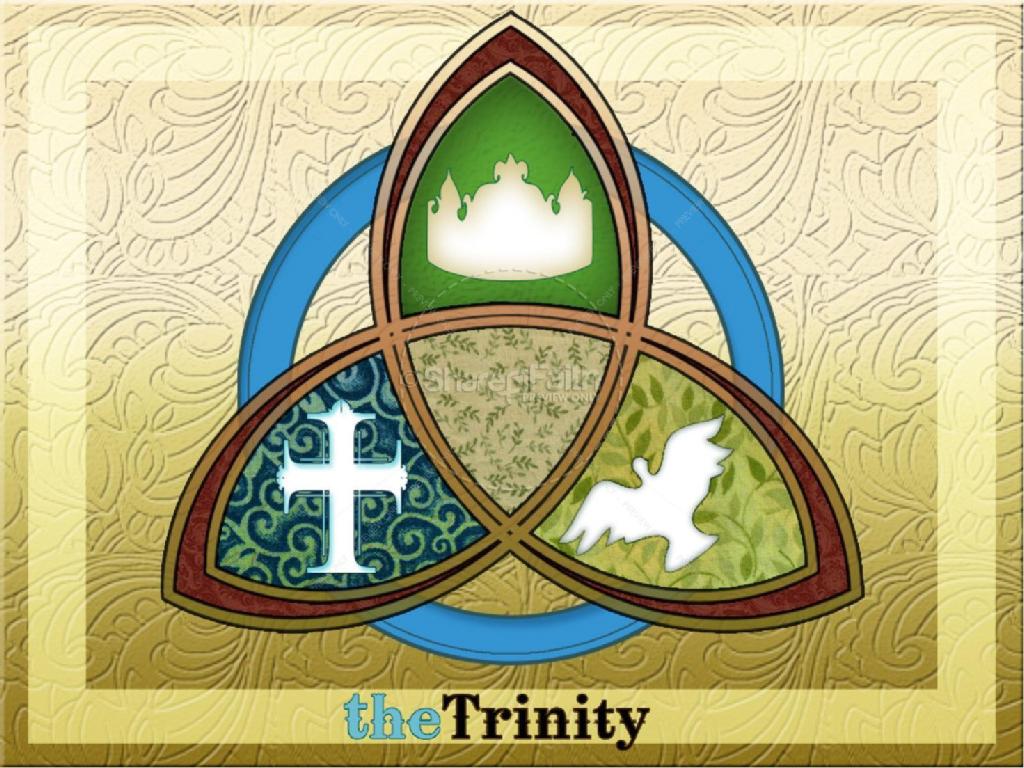
The Battle for the Trinity: Historical Heresies and Church Defences
Posted by Luke J. Wilson on 1st July 2024 in Trinity | trinity,heresy,heretics,theology,creeds
The Trinity is a cornerstone of Christian faith, defining God as one Being in three Persons: Father, Son, and Holy Spirit. However, throughout history, various misunderstandings and false teachings — known as heresies — have arisen, challenging this core doctrine. Understanding these heresies can strengthen our faith and deepen our appreciation for the truths held by the Church since its earliest days.
What Is the Trinity?
Before diving into the heresies, let’s briefly review what we mean by the Trinity. The Christian doctrine of the Trinity teaches that God is one essence in three distinct Persons:
The Father: The Creator and sustainer of al...
My new book, available now! Take a journey through the first 400 years of Church History in only 40 days!
Posted by Luke J. Wilson on 2nd November 2018 in Early Church | book,40 days,church fathers,church history,maps,reading plan,devotional,daily reading,daily devotional
Take a journey through the first 400 years of Church History in only 40 days!
"40 Days with the fathers" is a daily reading plan/devotional spread out over forty days; and over the course of this reading plan you will read extracts and commentary on 23 different early Church texts from a selection of some of the most influential Church fathers, such as:
Didache, Diognetus, Polycarp, Ignatius, Justin Martyr, Cyprian, Athanasius, Cyril of Jerusalem, Ambrose of Milan, and Leo the Great.
These people who came before us, those great men of faith, many of whom suffered persecution and martyrdom to preserve the Church and Christ's mission, bridge the gap between th...
God from God: The Eternal Son in the Crib
Posted by Luke J. Wilson on 13th December 2025 in Christmas | advent,incarnation,xmas,christmas
How can God beget a Son? Does that mean Jesus is His creation?
This question comes sharply into focus during Advent, when the Church contemplates the Incarnation: the eternal Son entering the world as a baby in Mary’s womb. And to understand this, we turn to language the Church has treasured for centuries — especially that crucial distinction between begotten and created.
And C. S. Lewis describes this with a real concise clarity:
We don’t use the words begetting or begotten much in modern English, but everyone still knows what they mean. To beget is to become the father of: to create is to make. And the difference is this. When you beget, you beget...
Lent: Day 11 - Ignatius to Polycarp
Posted by Luke J. Wilson on 13th March 2017 in Lent | Lent,great lent,fasting,early church fathers,devotional,daily reading,Ignatius,Ignatius to Polycarp,martyrdom
Day Eleven: St. Ignatius of Antioch: Letter to Polycarp (full text)
Who: Ignatius converted at a young age and later became Bishop of Antioch. A friend of Polycarp and fellow disciple of John, there is a long standing tradition that Ignatius was the child that Jesus held in his arms and blessed in Mark 10:13-16
What: A letter addressed personally to Polycarp giving him advice and encouragement as a bishop, plus some instructions on marriage to the church, which are reminiscent of Paul’s epistles.
Why: Ignatius wrote a series of letters to the churches in Asia Minor whilst en route to Rome to face martyrdom by wild beasts in the Colosseum around 108 AD.
Wh...
Lent Day 37: Leo the Great: Letter XXVIII (called the "Tome")
Posted by Luke J. Wilson on 12th April 2017 in Lent | Lent,great lent,fasting,early church fathers,devotional,daily reading,Doctor of the Church,lectures,Tome,Leo the Great,St Leo,hypostatic union,deity of christ,heresy,Pope Leo I
Day Thirty-seven: St. Leo the Great: Letter XXVIII (called the "Tome")
Who: Leo the Great, also known as Pope St. Leo I (the Great), was Pope from 440-61 AD. Place and date of birth unknown; died 10 November, 461. Leo's pontificate, next to that of St. Gregory I, is the most significant and important in Christian antiquity, as he tried to combat the heresies which seriously threatened church unity even in the West, such as Pelagianism.
What: A defence of the twofold nativity and nature of Christ against the false teaching of a priest called Eutyches. It is a doctrinal letter sent by Pope Leo I in the year 449 to Flavian, Patriarch of Constantinople, on the...
Spiritual Disciplines of the Early Church: Ancient Practices for the 21st Century
Posted by Luke J. Wilson on 17th June 2019 in Early Church |
I was asked not so long ago what kinds of things Christians did in the Early Church (first to fourth century) as a form of spiritual discipline, on a personal level as well as a corporate one. Though the concept of an individual “personal spiritual life” would have been quite foreign to first century believers as faith and Church was very much a corporate venture that had personal implications, rather than the other way around as it can often appear to be thought of today.
Much of what made Christianity structured, disciplined and set apart from society, has largely been lost in practice, or forgotten and relegated to the annals of history by many practicin...
Powered by WebBoss.io 3.7.1
Copyright © 2026 The Sacred Faith: Timeless Truths for Modern Minds. All Rights Reserved.
