
Blog Search Results


67 results for human
found
within the Blog
6 displayed out of 67 (0.03seconds)Page 7 of 12
The Coming of Jesus: Daniel's 70 Weeks
Posted by Luke J. Wilson on 16th June 2014 in Second Coming Series | Second Coming,Return of Christ,Return of Jesus,Preterism,Prophecy,Last Days,Left Behind,Part 1,Part one,Daniel,70 weeks
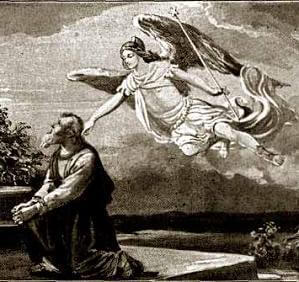
...ed not by human hands, and which would last forever. That was the time which God had given his people, and those who rejected it would suffer what was prophesied about in the final "week".
Dan 2:44
And in the days of those kings the God of heaven will set up a kingdom that shall never be destroyed, nor shall this kingdom be left to another people. It shall crush all these kingdoms and bring them to an end, and it shall stand forever
2 Peter 1:11
For in this way, entry into the eternal kingdom of our Lord and Savior Jesus Christ will be richly provided for you
Jn 18:36
Jesus answered, “My kingdom is not from this world. If my kingdom were from this worl...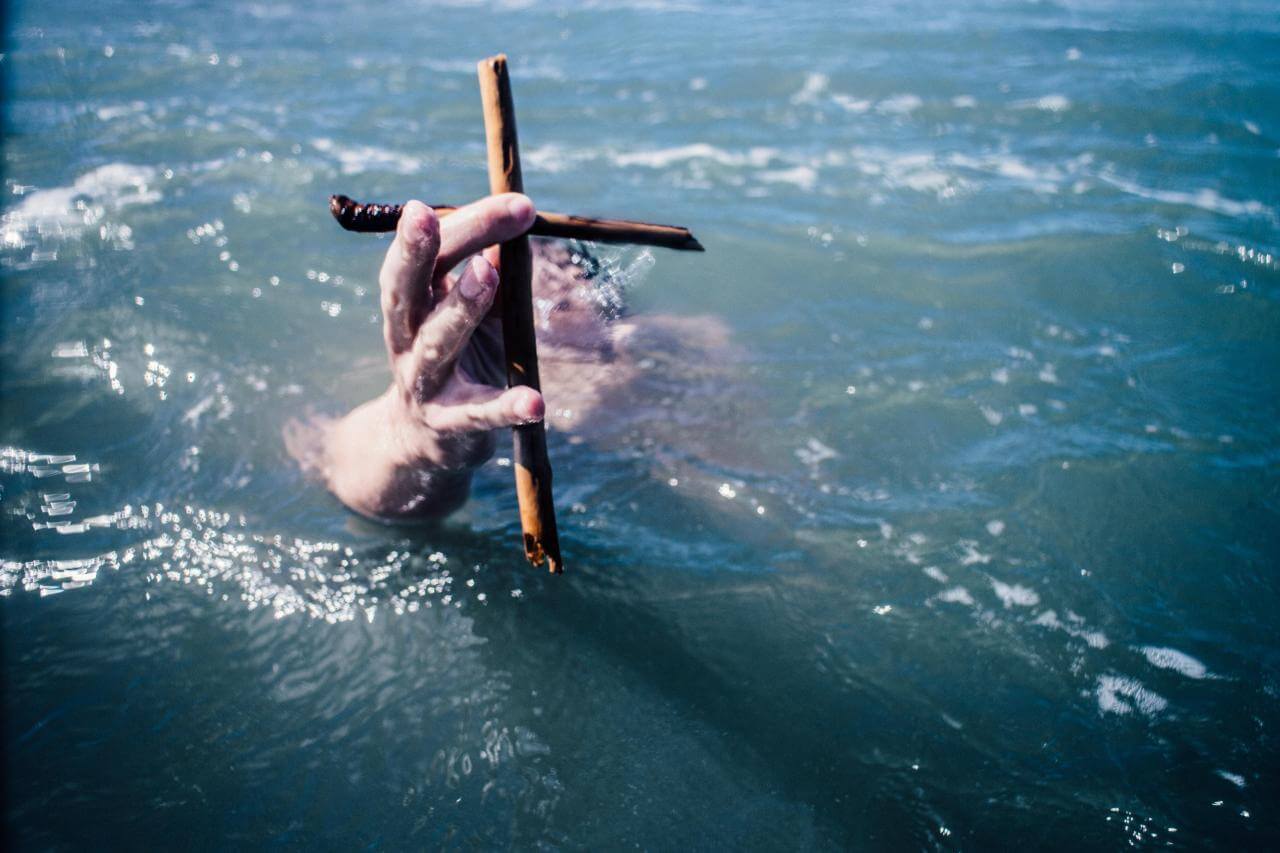
The Author of Life Knew Death For Our Sake!
Posted by Luke J. Wilson on 25th March 2016 in Easter | Easter,Good Friday,Holy Week,crucifixion,resurrection,reconcilliation
...known to human history. And then his followers for centuries afterwards celebrate this day and even call it “Good Friday”!
What’s so good about Good Friday though if the saviour is barbarically killed on this day? I wondered that for many years when I was younger, until one day it ‘clicked’. It may not have been a very good day as far as Jesus was concerned, by the fact he was being flogged, beaten and nailed to pieces of wood, but in terms of what he accomplished through his death – that is what makes Good Friday so very good!
The death of Jesus is a very central point to our faith, though only made sense of by the resurrection. This is the Gosp...
Lent: Day 17 - Justin Martyr: First Apology: Chaps. 60-68
Posted by Luke J. Wilson on 20th March 2017 in Lent | Lent,great lent,fasting,early church fathers,devotional,daily reading,Justin Martyr,apologetics,Plato,trinity,baptism,sunday worship
...n for the human race.
The Eucharist
This chapter gives us a glimpse at how the early church took Communion together and what it meant for them. Only baptised believers were allowed to partake. Prayers of “considerable length” were then first offered to bless the bread and wine, which upon conclusion, everyone would “salute one another with a kiss” (Romans 16:16; 1 Cor 16:20; 2 Cor 13:12; 1 Thess 5:26) before the “bread and a cup of wine mixed with water” was handed out to everyone present by the deacons. Even if some were absent, a portion was kept and hand-delivered to those who were away!
It would seem that Justin is teaching either an earl...
Lent: Day 7 - Ignatius to the Trallians
Posted by Luke J. Wilson on 8th March 2017 in Lent | Lent,great lent,fasting,early church fathers,devotional,daily reading,Ignatius,Ignatius of Antioch: Letter to the Trallians,Docetism
...thing but human in manifestation.
There appeared to be those who taught “that [Jesus] only seemed to suffer” and if that were so, Ignatius argued, “then why am I in bonds … Do I therefore die in vain? Am I not then guilty of falsehood against [the cross of] the Lord?”.
We don't see much of this heresy around today, though it has its forms here and there (such as within Islam), but it's not such a great threat to the Faith anymore. Even so, remembering the fact that Jesus was indeed “revealed in flesh, vindicated in spirit, seen by angels, proclaimed among Gentiles, believed in throughout the world, [and] taken up in glory” (1 Tim 3:16) is the cor...
Did a Roman Catholic priest perform 'invalid' baptisms for years?
Posted by Luke J. Wilson on 21st February 2022 in Roman Catholicism | early church,early church fathers,Donatism,baptism,Vatican
...ort-of “human sacrament” to the community etc., but I don’t believe that Jesus is not going to impart the Holy Spirit and his grace to the one being baptised just because the priest said the wrong words. This is not magic that needs the correct spell to be cast in order to make it effective. The faith and intent of all involved should suffice as far as this part is concerned.
A few caveats though, as I don’t want my words to be misconstrued. There are correct words that need to be said for baptism to be valid on one very important level: what and who you are being baptised into. When being baptised, we are baptised into Christ in the name of the Father,...
Does Christmas have pagan origins?
Posted by Luke J. Wilson on 19th December 2019 in Christmas | christmas,xmas,origins,pagan,pagan roots,church fathers,church history,Saturnalia,Epiphany,Annunciation,Tertullian,Origen,john chrysostom,incarnation,liturgical calendar,church calendar,festivals
...For most people, the question of the origins of Christmas is probably far from their minds. Some may recognise and give a cursory glance towards the Biblical narrative on the birth of Jesus as something to do with it (although a 2017 study showed that almost 1 in 20 Brits thought Easter was the birth of Jesus!);—but in some Christian circles the question (accusation?) that “Christmas is pagan” is at the forefront of their minds.
Table of Contents
When was December 25th celebrated?
The Christian Calendar
Concluding Thoughts
Bonus Information
Further Reading & Sources:
As time goes on and we move further and further into the future,...
Powered by WebBoss.io 3.7.1
Copyright © 2026 The Sacred Faith: Timeless Truths for Modern Minds. All Rights Reserved.
