
Blog Search Results


98 results for death
found
within the Blog
6 displayed out of 98 (0.05seconds)Page 9 of 17
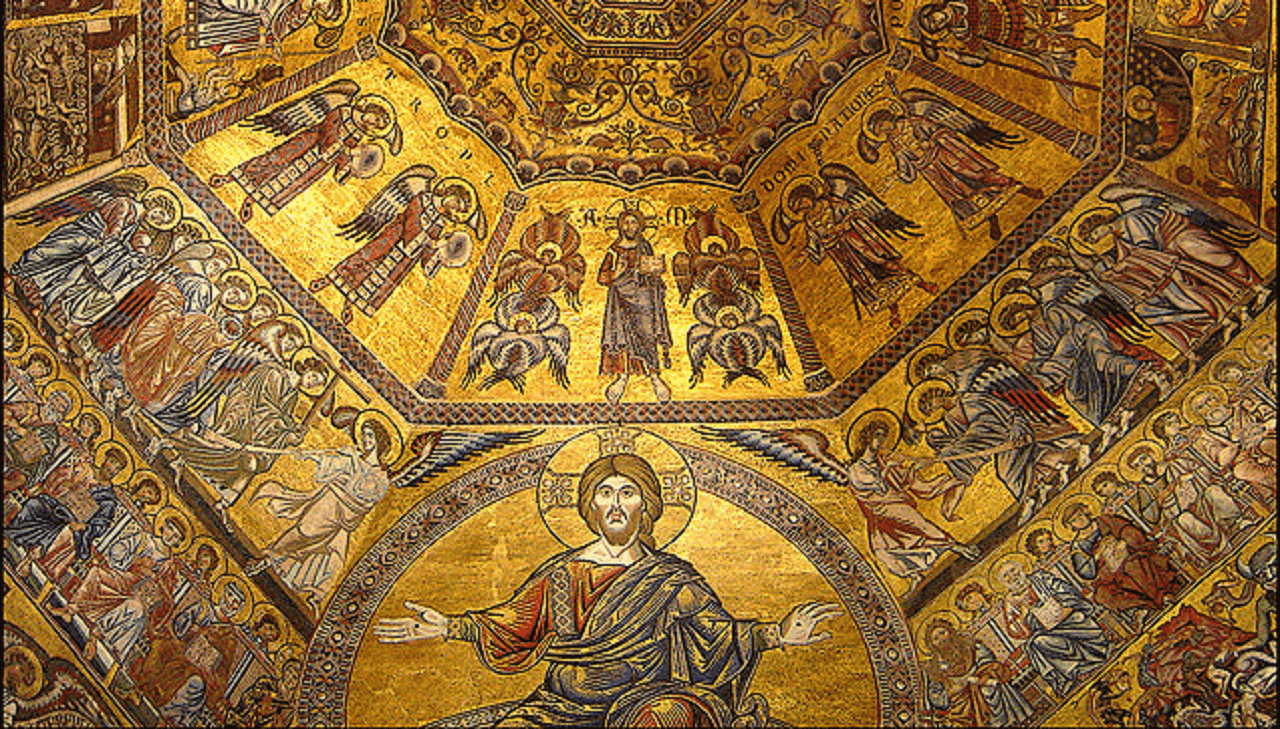
What are the Seraphim, and was the devil one of them?
Posted by Luke J. Wilson on 23rd April 2020 in Angels | devil,satan,angels,seraphim,heaven
...lowing up death and His defeat of Leviathan as the “fleeing … twisting serpent” who is the “dragon that is in the sea” (Isa. 27:1). This also has very similar imagery to what Revelation 13 says about the dragon and beast which come out of the sea, so there are definitely implications between these dragons, serpents and fiery snakes with the devil and his defeat when Christ triumphed over death and the “powers and authorities” on the cross (Col 2:15).
There’s a lot of scriptures to cover which mentions all of these themes, but I’ll just list a few here where we find the words for seraphim and serpent translated in various ways: Numbers 21:6; J...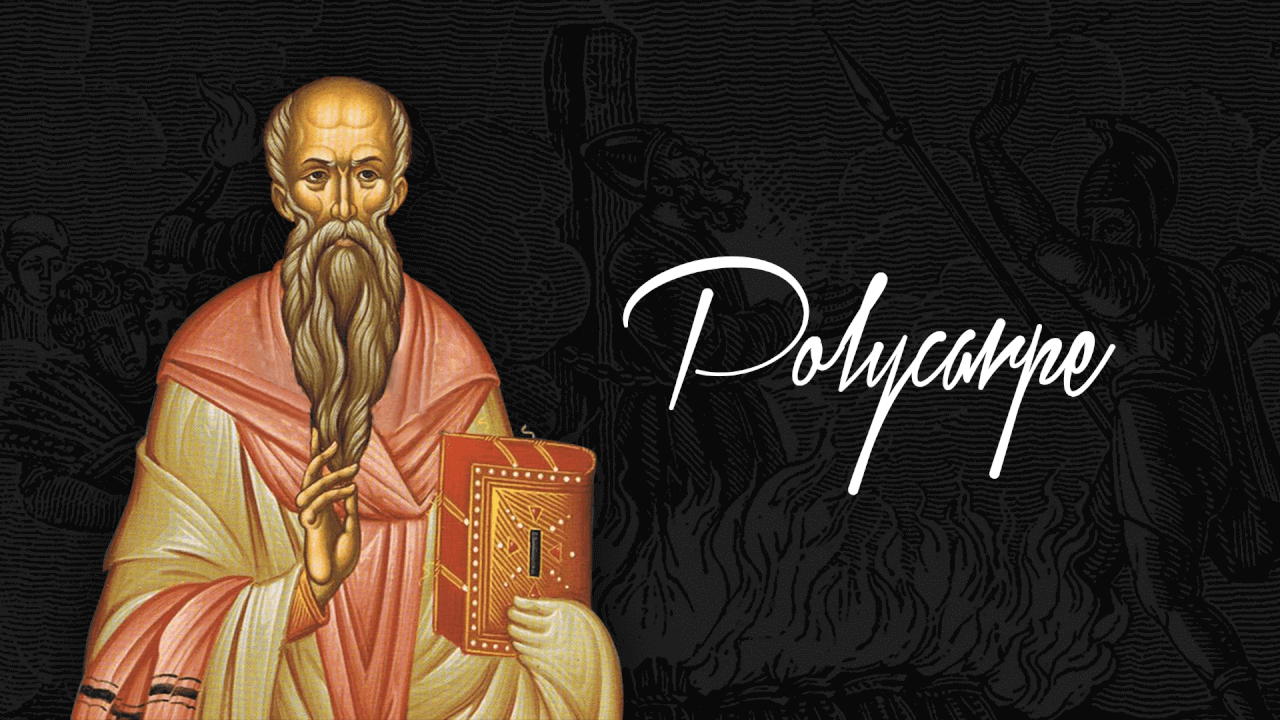
How Polycarp (And Others) Show The Early Use Of The New Testament
Posted by Luke J. Wilson on 21st November 2021 in Early Church | early church,early church fathers,polycarp,new testament,canon,biblical canon
...artyr’s death! Polycarp was, and is, an great example of standing strong in our faith no matter what.
While that is also a good topic, what I want to focus on today is what Polycarp wrote. From what we have in existence still, there’s only one letter that bears his name, which he sent to the church in Philippi — yes, the same one Paul founded. We know from Irenaeus that Polycarp wrote more than this single letter, but sadly they no longer are with us, but there’s still two other letters that concern Polycarp in existence: one from Ignatius sent to Polycarp, and another from those who witnessed his martyrdom describing what happened.
He wrote his le...
What was so good about Good Friday?
Posted by Luke J. Wilson on 18th April 2014 in Easter | Good Friday,Jesus,crucifixion,forgiveness,sin,Easter,Holy Week,Christmas
...t is the death of Jesus and his subsequent resurrection. While there does seem to be some evidence to suggest that by the 2nd Century, early Christians were celebrating Easter, it sometimes feels like the Modern Church has placed more emphasis on Jesus's birth in terms of celebrations and events, than it does for his resurrection. Though that's probably partly due to Western culture and the so-called "War on Christmas" making some churches push Christmas harder.
I digress. Paul makes his view on the resurrection, and thus the whole point of Christianity, quite clear in 1 Cor 15:12-19 (emphasis mine) —
Now if Christ is proclaimed as raised from the dead,...
Lent: Day 13 - Justin Martyr: First Apology, Chaps. 12-23
Posted by Luke J. Wilson on 15th March 2017 in Lent | Lent,great lent,fasting,early church fathers,devotional,daily reading,Justin Martyr,apologetics
...ven after death souls are in a state of sensation” and thus there is an afterlife worth considering. He goes on to say that because these practitioners of divinations etc are granted favours, that the Christians should also be granted the same because they “more firmly” believe in God, “since we expect to receive again our own bodies”.
The resurrection is something which seems to be a sticking point to accept, but they “maintain that with God nothing is impossible” and goes on to contrast the way in which they will be planted like seeds in the ground through death, so that in the future they will come up with new bodies. To try and explain this co...
Lent Day 23: Athanasius: Life of Anthony: Chaps. 21-30
Posted by Luke J. Wilson on 27th March 2017 in Lent | Lent,great lent,fasting,early church fathers,devotional,daily reading,Athanasius,Bishop of Alexandria,Confessor,Doctor of the Church,Anthony the Great,demons,demonology
...ead us to death and not into God's righteousness (James 1:14-15,20), he instructs that instead we must be watchful against our desires and the enemy, guarding our hearts (Prov. 4:23), since that can lead us down a path towards deception and sinfulness.
We battle against demonic forces
From here he begins some lengthy teaching on how our battles aren't against flesh and blood, but the “authorities”, “cosmic powers” and the “spiritual forces of evil in the heavenly places” (Eph 6:12), whose number is great in the “air around us”, he says.
Going into a little more detail on the deceptions of demons, Anthony explains how the more Christians press...
Does Christmas have pagan origins?
Posted by Luke J. Wilson on 19th December 2019 in Christmas | christmas,xmas,origins,pagan,pagan roots,church fathers,church history,Saturnalia,Epiphany,Annunciation,Tertullian,Origen,john chrysostom,incarnation,liturgical calendar,church calendar,festivals
...e, to the death of Commodus [December 192 AD] are, in all, a hundred and ninety-four years, one month, thirteen days [18th November]. And there are those who have determined not only the year of our Lord's birth, but also the day; and they say that it took place in the twenty-eighth year of Augustus, and in the twenty-fifth day of Pachon [20th May]. And the followers of Basilides hold the day of his baptism as a festival, spending the night before in readings. […] Further, others say that He was born on the twenty-fourth or twenty-fifth of Pharmuthi [19/20th April]. — Clement of Alexandria, 195 AD
So from this quote, we have Clement calculating the birth...
Powered by WebBoss.io 3.7.1
Copyright © 2026 The Sacred Faith: Timeless Truths for Modern Minds. All Rights Reserved.
