
Blog Search Results


79 results for roman catholic
found
within the Blog
6 displayed out of 79 (0.40seconds)Page 9 of 14

What was so good about Good Friday?
Posted by Luke J. Wilson on 18th April 2014 in Easter | Good Friday,Jesus,crucifixion,forgiveness,sin,Easter,Holy Week,Christmas
I remember when I was growing up, this was a question I would often wonder about and ask. People would say "because Jesus died on the cross!", which was of little help to me as I would then think, why was Jesus dying a good thing?
But this is a question I'm sure many people will have asked themselves when they consider the name of their Bank Holiday, and probably a question they got an unsatisfactory answer to - if they got one at all!
Really though, this holiday time should be more well-known and recognised than Christmas. While the birth of Jesus is important, it isn't actually central to the Faith, nor is it really emphasised much in the New Testament...
Lent: Day 16 - Justin Martyr: First Apology, Chaps. 48-59
Posted by Luke J. Wilson on 18th March 2017 in Lent | Lent,great lent,fasting,early church fathers,devotional,daily reading,Justin Martyr,apologetics
Day Sixteen: St. Justin Martyr: First Apology, Chaps. 48-59
Who: Justin Martyr was a Philosopher who converted to Christianity and became a tireless evangelist and apologist. Justin wrote more Christianity than any other person prior to his time. He is classified herein as Eastern, since he a native of Samaria and his thought patterns were Eastern. However, he spent the last years of his life in Rome, where he was executed as a martyr (c. 165).
What: An apologetic (defence) essay to explain what Christians believe and do.
Why: Justin is demanding the Emperor to investigate accusations and unjust persecution against Christians so that they at least may face...
Lent Day 18: Cyprian: On the Unity of the Church: 1-9
Posted by Luke J. Wilson on 21st March 2017 in Lent | Lent,great lent,fasting,early church fathers,devotional,daily reading,Cyprian,Bishop of Carthage,unity
Day Eighteen: St. Cyprian: On the Unity of the Church: 1-9
Who: Third century bishop of Carthage (in modern Tunisia), and martyr from Africa
What: A letter to encourage the unity of the church against schisms and heresy during massive roman persecution
Why: A disturbance had happened in the church because of a priest called Novatian — a schismatic of the third century, and founder of the sect of the Novatians. Cyprian wrote to counter this and argues that there can only be one united Church, and the Novatian breakaway was a false church and that Novatian was an antipope.When: Around 249 AD
You can find today’s reading on page 92 here: lentfatherscomplete...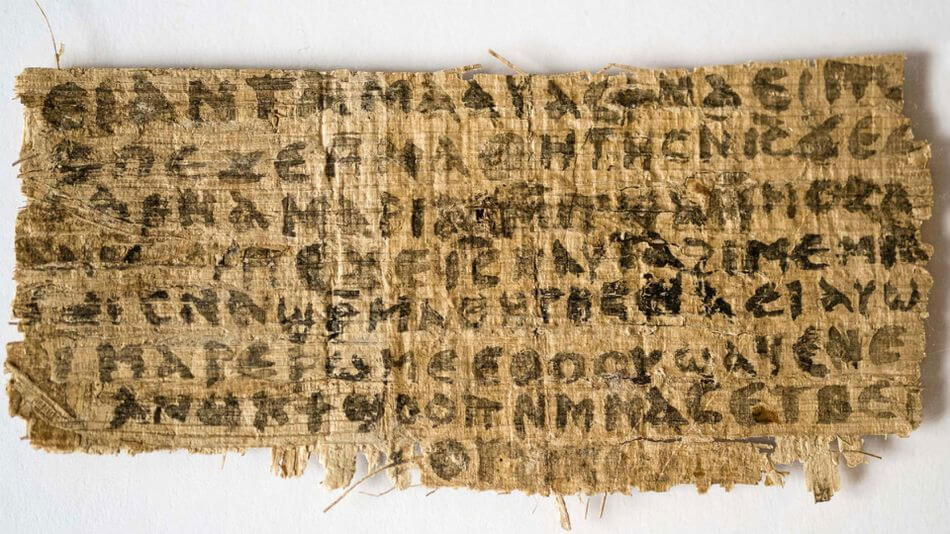
An ancient fragment mentions Jesus' wife!?
Posted by Luke J. Wilson on 10th April 2014 in General Interest | Jesus,wife,papyrus,fragment,Archaeology,Jesus wife,Gnosticism,early church
UPDATE (3rd May 2014): It is now believed to have been confirmed as a hoax/fake; read the full story on The Wall Street Journal.
Ancient and not a fake according to scientists
IMAGE: HARVARD UNIVERSITY, KAREN L. KING/ASSOCIATED PRESS
A little while ago, there was some hoopla in the news about a newly discovered fragment of papyrus from ancient times which contained the phrase "Jesus said to them, 'my wife...,'". Obviously, and not surprisingly, the media made a big deal out of this. Atheists and the like, saw it as a blow to Christianity and conspiracy theorists everywhere thought it confirmed their views that the Vatican and the catholic Church wer...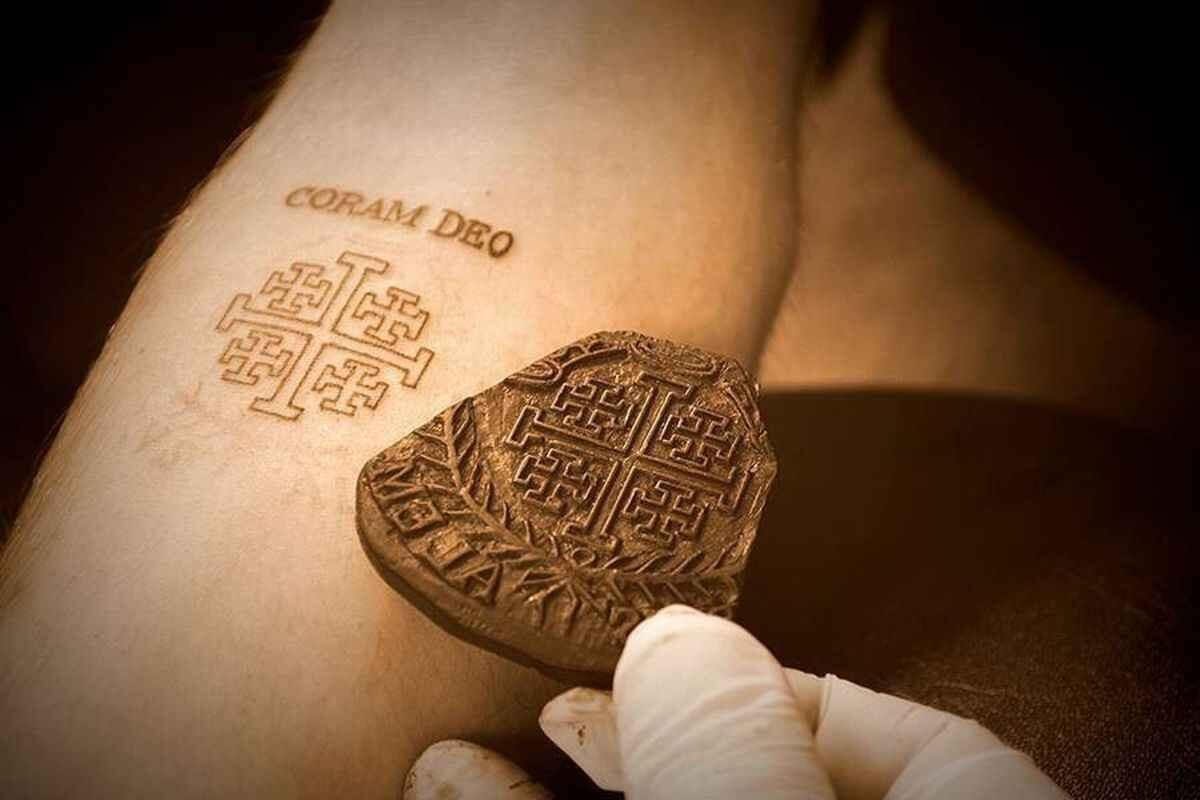
Should Christians get tattoos, and is it Biblical?
Posted by Luke J. Wilson on 31st August 2019 in Tattoos | tattoos,church history,Basil the Great,Leviticus,Old Testament
I was in a discussion not so long ago about tattoos, and I was asked about the historical view on this practice. It wasn’t something I had looked into before from a Church Fathers point of view, so it was an interesting topic of study. In my searching, I found this article from a catholic site which seems to give a pretty interesting overview of some of the views about tattoos in the earlier centuries. The following is a quote about a Church Council in the context of native Britons, who still practiced tattooing at that time for pagan ritual, something which Tertullian also gives a fleeting reference to around 213 AD in his On the Veiling of Virgins, ch. 10....
Did the Early Church invent the Trinity?
Posted by Luke J. Wilson on 4th January 2022 in Trinity | early church,trinity,church fathers,theology,council of nicaea,nicea council
The doctrine and concept of the Trinity is encapsulated in Matthew 28:19, where Jesus instructs the apostles: “Go therefore and make disciples of all nations, baptizing them in the name of the Father and of the Son and of the Holy Spirit”. John, who was very close to Jesus and obviously knew him well, alludes to this teaching frequently in his Gospel, too. For example: John 1:1; John 8:58; John 10:30; and John 10:38.
Yet, despite this, and numerous other examples throughout the New Testament which point towards the threefold nature of God, plenty of myths and legends abound online and in books which state that the divinity of Jesus (and therefore the Trinit...
Powered by WebBoss.io 3.7.1
Copyright © 2026 The Sacred Faith: Timeless Truths for Modern Minds. All Rights Reserved.
