
Blog Search Results


78 results for scripture
found
within the Blog
6 displayed out of 78 (0.03seconds)Page 9 of 13

Lent Day 39: Leo the Great: Sermon XLIX (On Lent XI)
Posted by Luke J. Wilson on 14th April 2017 in Lent | Lent,great lent,fasting,early church fathers,devotional,daily reading,Doctor of the Church,lectures,Leo the Great,St Leo,Pope Leo I,sermon,almsgiving
Day Thirty-nine: St. Leo the Great: Sermon XLIX (On Lent XI)
Who: Leo the Great, also known as Pope St. Leo I (the Great), was Pope from 440-61 AD. Place and date of birth unknown; died 10 November, 461. Leo's pontificate, next to that of St. Gregory I, is the most significant and important in Christian antiquity, as he tried to combat the heresies which seriously threatened church unity even in the West, such as Pelagianism.
What: A sermon on the season of Lent as the Easter festival approached.
Why: To encourage the Church to fast during this season in order than they may put away temptations and overcome their vices, to be guided by God in all things.
W...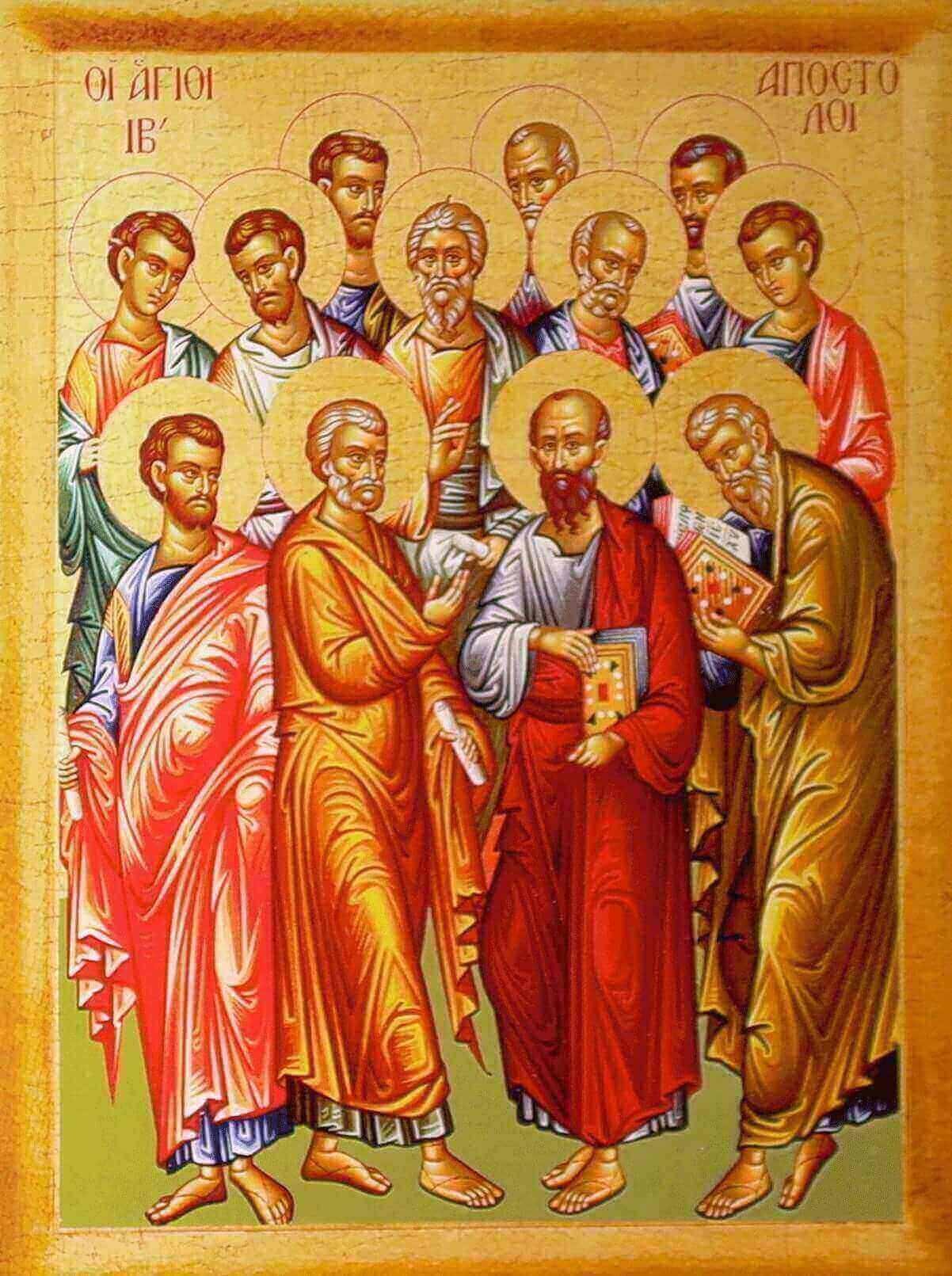
How many apostles are there in the New Testament?
Posted by Luke J. Wilson on 22nd May 2018 in Gifts of the Spirit | apostles,five fold ministry,gifts of the Spirit,Greek
Often in any discussion on the gifts of the Spirit and whether they are still active today (Cessationism vs Continuationism), the topic of Apostles comes up and whether the gift/office is still active today in the Church. Detractors of the Continuationist position will often quip that ‘if there were modern-day apostles, they would be world famous!’ – though I’m not sure why. Even the original Twelve weren’t “world famous” in the sense that they mean. But I digress. This isn't a question of practice, or opinion, but to examine the scriptures to see what they say about the gift.
scripture gives us an indication that this gift, or role, wasn’t jus...
Creedal Christians: Introduction
Posted by Luke J. Wilson on 29th September 2018 in Early Church | creeds,creedal Christians,creedal,early church,church history
I’m starting a new four part series over the coming weeks which will be looking at the different historical creeds of the Church which have been recited, used and handed down for two millennia, beginning with the very first formal creed: the Apostles Creed. This series will be a mixture of historical background plus a commentary on the creed itself to see where each statement is based in scripture, and why we can trust them to accurately portray the Faith.
What are creeds and why should we accept them?
The word “creed” comes from the Old English crēda, and from Latin crēdo meaning “I believe”. A creed is basically a set of beliefs which you profess...
John Chau, missionary to the Sentinelese: martyr or madness?
Posted by Luke J. Wilson on 3rd December 2018 in Missions | sentinelese,John Chau,missionary,martyrdom,martyr,india,current events,tribes people
You've probably seen it in the news lately: John Chau, the American guy who tried to evangelise the secluded Sentinelese tribe off the coast of India. Much of the debate in secular media has centered around the grief of his friends and family; how he could have brought outside disease to the tribespeople and potentially killed them all (despite this not being their first contact with outsiders, with no known ill effect), or that he ventured there completely in ignorance with no preparation or wisdom — something which the missionary agency, All Nations, has recently debunked.
But the question I want to look at is this: was Chau's mission total madness or is...
Lent: Day 4 - Polycarp to the Philippians
Posted by Luke J. Wilson on 4th March 2017 in Lent | Lent,great lent,fasting,early church fathers,devotional,daily reading,episle of Polycarp to the Philippians
Day Four: Epistle of Polycarp to the Philippians (full text)
Who: Polycarp of Smyrna, who was a direct disciple of the apostle John. We also have some information about Polycarp via Irenaeus (who knew Polycarp) in his book, Adv. Haer., III.3.4: “But Polycarp also was not only instructed by apostles, and conversed with many who had seen Christ, but was also, by apostles in Asia, appointed bishop of the Church in Smyrna”.
What: Lots of exhortations are contained in this letter, and is also referenced by Irenaeus as being for “those who wish to do so, and are anxious about their salvation, can learn the character of his (Polycarp's) faith, and the preachin...
Lent: Day 16 - Justin Martyr: First Apology, Chaps. 48-59
Posted by Luke J. Wilson on 18th March 2017 in Lent | Lent,great lent,fasting,early church fathers,devotional,daily reading,Justin Martyr,apologetics
Day Sixteen: St. Justin Martyr: First Apology, Chaps. 48-59
Who: Justin Martyr was a Philosopher who converted to Christianity and became a tireless evangelist and apologist. Justin wrote more Christianity than any other person prior to his time. He is classified herein as Eastern, since he a native of Samaria and his thought patterns were Eastern. However, he spent the last years of his life in Rome, where he was executed as a martyr (c. 165).
What: An apologetic (defence) essay to explain what Christians believe and do.
Why: Justin is demanding the Emperor to investigate accusations and unjust persecution against Christians so that they at least may face...
Powered by WebBoss.io 3.7.1
Copyright © 2026 The Sacred Faith: Timeless Truths for Modern Minds. All Rights Reserved.
