
Blog Search Results


87 results for the gospel
found
within the Blog
6 displayed out of 87 (0.27seconds)Page 9 of 15

the Problem of Suffering and How We Approach it
Posted by Luke J. Wilson on 6th January 2018 in Christianity | evil,suffering,the problem of evil,human suffering,reconcilliation,pain,true religion,pure worship
the topic of human suffering is a subject many Christians struggle with, and is an issue many theologians have written about over the centuries — so it's definitely not something I can fully address in a single blog post!
But there are some general principles we can find in Scripture that many Christians can/do accept, which should act as a starting point to addressing this subject, such as:
We live in a fallen world due to sin (Gen 3), and so things aren’t perfect and neither are people, therefore suffering can happen from illness, nature, and human action (or inaction).
Not all suffering is necessarily “bad”, from a Christian perspective. For exam...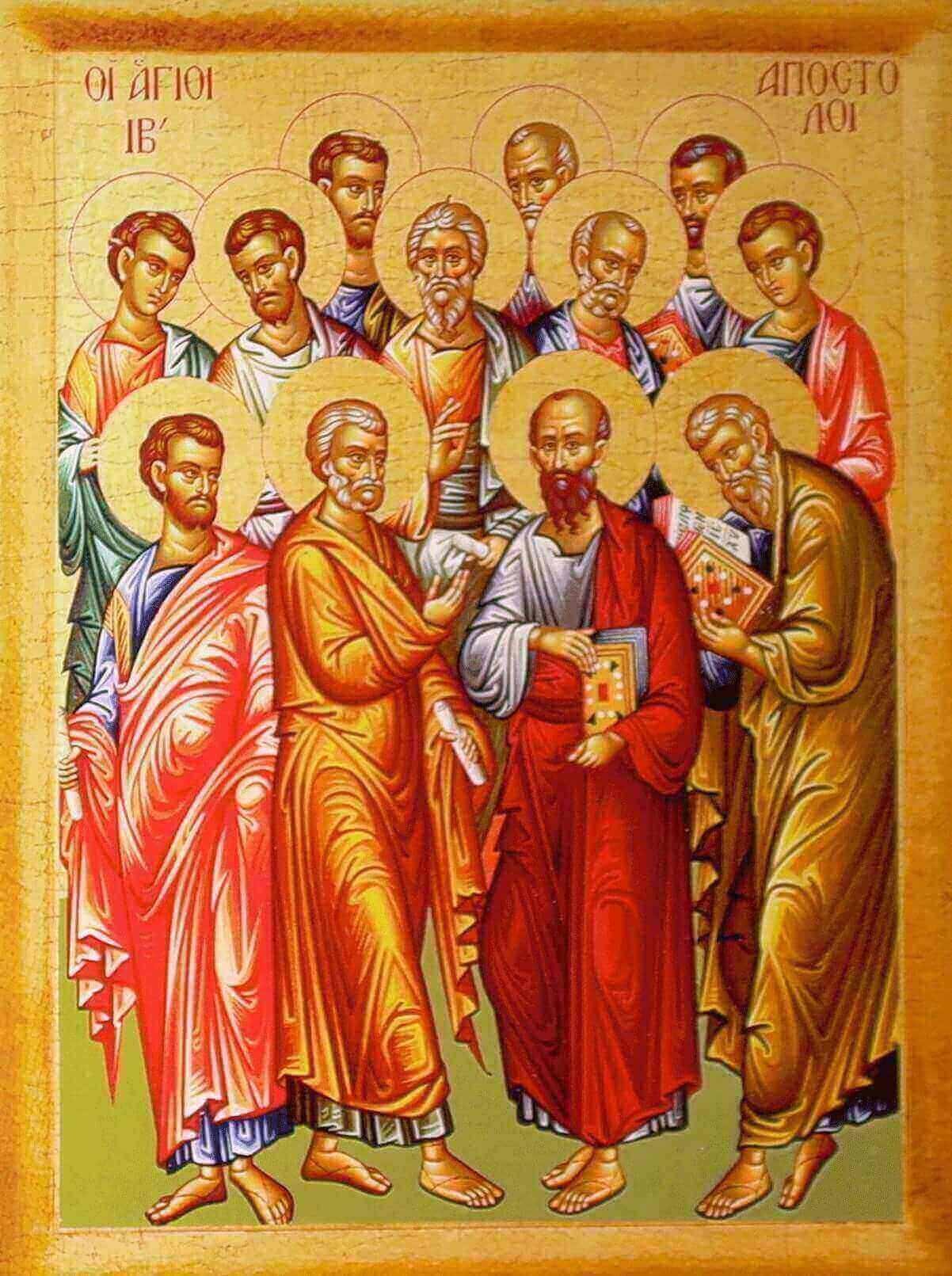
How many apostles are there in the New Testament?
Posted by Luke J. Wilson on 22nd May 2018 in Gifts of the Spirit | apostles,five fold ministry,gifts of the Spirit,Greek
Often in any discussion on the gifts of the Spirit and whether they are still active today (Cessationism vs Continuationism), the topic of Apostles comes up and whether the gift/office is still active today in the Church. Detractors of the Continuationist position will often quip that ‘if there were modern-day apostles, they would be world famous!’ – though I’m not sure why. Even the original Twelve weren’t “world famous” in the sense that they mean. But I digress. This isn't a question of practice, or opinion, but to examine the Scriptures to see what they say about the gift.
Scripture gives us an indication that this gift, or role, wasn’t jus...
Spiritual Disciplines of the Early Church: Ancient Practices for the 21st Century
Posted by Luke J. Wilson on 17th June 2019 in Early Church |
I was asked not so long ago what kinds of things Christians did in the Early Church (first to fourth century) as a form of spiritual discipline, on a personal level as well as a corporate one. Though the concept of an individual “personal spiritual life” would have been quite foreign to first century believers as faith and Church was very much a corporate venture that had personal implications, rather than the other way around as it can often appear to be thought of today.
Much of what made Christianity structured, disciplined and set apart from society, has largely been lost in practice, or forgotten and relegated to the annals of history by many practicin...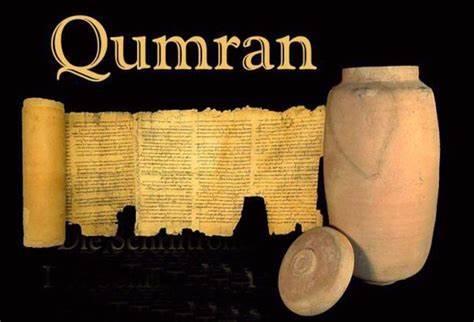
Did the Qumran community predict the coming of Jesus?
Posted by Luke J. Wilson on 28th April 2015 in General Interest | Qumran,Dead Sea Scrolls,Messianic,4Q521,prophecy,Christ
I'm going to start a new category here for "General Interest" which will be for things I see or read about that I think are interesting or informative about the Bible, Christianity or the Faith in general; but which aren't necessarily topics I could, or would need to, write a full blog post about.
I'll kick off this new venture with an brief look at something I read the other day from the Dead Sea scrolls which is very interesting – Qumran text 4Q521. It gives us a glimpse of early Jewish expectations of the coming Messiah from the time before Jesus arrived, and shows just how Jesus did actually meet those expectations.
For example, when John asks his disci...
Lent: Day 1 - the Didache
Posted by Luke J. Wilson on 2nd March 2017 in Lent | Lent,great lent,fasting,early church fathers,devotional,daily reading,Didache
Day One: the Didache (in full)
Who: Written by an anonymous author, possibly multiple sources compiled into one book at a later date. the title translates as “the teaching”, or in its full tithe: Teaching of the Twelve Apostles.
What: the Didache is basically a church handbook with a summarised collection of the basic teachings of the Church and gospel, aimed at local church leaders and new converts.
Why: Tradition has it as being a collection of the apostles teachings, so it was probably written to preserve this information as they grew older or died, or moved away from the communities they planted.
When: Between 70-100 AD
the Didache is one of my...
Lent: Day 3 - Mathetes to Diognetus, pt. 2
Posted by Luke J. Wilson on 3rd March 2017 in Lent | Lent,great lent,fasting,early church fathers,devotional,daily reading,epistle of mathetes to diognetus
Day three: Epistle of Mathetes to Diognetus: Chaps. 7-12
Who: Anonymous author, “mathetes” is not a name, but is the Greek word for “a disciple”
What: possibly one of the earliest examples of a Christian apologetic defending the faith from its accusers, written to someone interested in learning more about the faith and its customs
Why: the Christian faith was under attack and ridicule in the early centuries, many things about the Church were misunderstood and so various Christians took to writing apologetic's (defences) to clarify doctrines and beliefs from being maligned.
When: Estimated between AD 130 and late 2nd century
Today's reading is the...
Powered by WebBoss.io 3.7.1
Copyright © 2026 The Sacred Faith: Timeless Truths for Modern Minds. All Rights Reserved.
