
Blog Search Results


63 results for the problem of evil
found
within the Blog
6 displayed out of 63 (0.76seconds)Page 9 of 11

Lent Day 22: Athanasius: Life of Anthony: Chaps. 11-20
Posted by Luke J. Wilson on 25th March 2017 in Lent | Lent,great lent,fasting,early church fathers,devotional,daily reading,Athanasius,Bishop of Alexandria,Confessor,Doctor of the Church,Anthony the Great
Day Twenty-two: St. Athanasius: Life of Anthony: Chaps. 11-20
Who: Bishop of Alexandria; Confessor and Doctor of the Church; born c. 296; died 2 May, 373 AD. He was the main defender of orthodoxy in the 4th-century battle against the Arianism heresy. Certain writers received the title “Doctor” on account of the great advantage their doctrine had on the whole Church, Athanasius especially for his doctrine on the incarnation.
What: the biography of Anthony the Great’s life, which helped to spread the concept of Christian monasticism, particularly in Western Europe.
Why: From the letter’s own prologue: “the life and conversation of our holy Father,...
Lent Day 27: Athanasius: Life of Anthony: Chaps. 61-70
Posted by Luke J. Wilson on 31st March 2017 in Lent | Lent,great lent,fasting,early church fathers,devotional,daily reading,Athanasius,Bishop of Alexandria,Confessor,Doctor of the Church,Anthony the Great,demons,healing,miracles,heresy,heretics,Arianism,deity of Christ
Day Twenty-seven: St. Athanasius: Life of Anthony: Chaps. 61-70
Who: Bishop of Alexandria; Confessor and Doctor of the Church; born c. 296; died 2 May, 373 AD. He was the main defender of orthodoxy in the 4th-century battle against the Arianism heresy. Certain writers received the title “Doctor” on account of the great advantage their doctrine had on the whole Church, Athanasius especially for his doctrine on the incarnation.
What: the biography of Anthony the Great’s life, which helped to spread the concept of Christian monasticism, particularly in Western Europe.
Why: From the letter’s own prologue: “the life and conversation of our holy Father...
Spiritual Disciplines of the Early Church: Ancient Practices for the 21st Century
Posted by Luke J. Wilson on 17th June 2019 in Early Church |
I was asked not so long ago what kinds of things Christians did in the Early Church (first to fourth century) as a form of spiritual discipline, on a personal level as well as a corporate one. Though the concept of an individual “personal spiritual life” would have been quite foreign to first century believers as faith and Church was very much a corporate venture that had personal implications, rather than the other way around as it can often appear to be thought of today.
Much of what made Christianity structured, disciplined and set apart from society, has largely been lost in practice, or forgotten and relegated to the annals of history by many practicin...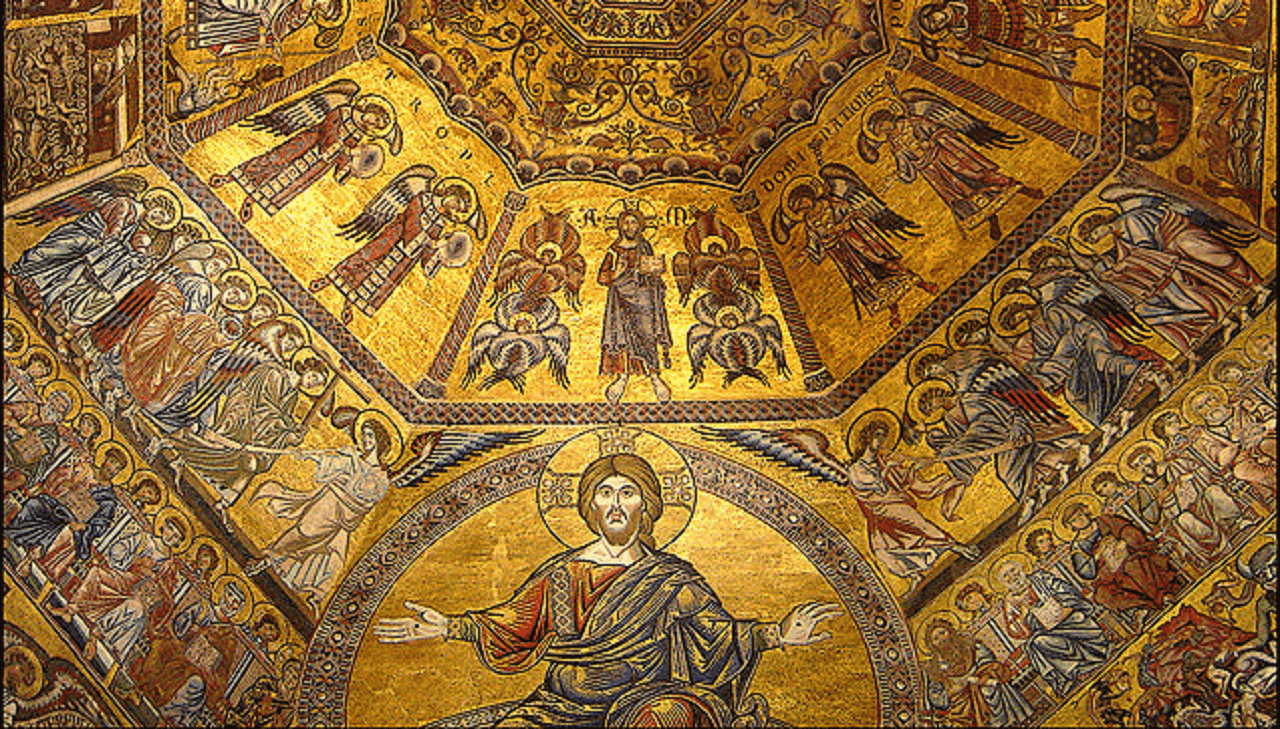
What are the Seraphim, and was the devil one of them?
Posted by Luke J. Wilson on 23rd April 2020 in Angels | devil,satan,angels,seraphim,heaven
Have you ever wondered about what the devil is — or was, pre-Fall? You’ve probably been told that he used to be an angel with God, so then why is he often described as a snake, serpent or dragon?
Though there isn’t a great deal given away in Scripture as to the nature of angels, or the heavenly realms in general, we get some glimpses from the visions of the prophets. But what we can also look at is the words which the Bible uses; some of which aren’t translated and so lose their original meaning in English.
the Seraphim
the word “seraphim” is a transliteration of a Hebrew word, rather than a translation, so in English we often will miss the me...
the Coming of Jesus: Our Future Hope - What Now?
Posted by Luke J. Wilson on 22nd January 2016 in Second Coming Series | second coming,70 weeks,70ad,what now?,what next,preterism,fulfilled prophecy,eighth day
So here we are at the final part of this Coming of Jesus series. If you’re new here, you can start from the beginning by clicking here, or carry on reading as I will give a brief overview of what’s been covered so far.
This series has covered many topics and themes of eschatology, starting with Daniel’s prophecy of the Messiah’s first coming to this world, all the way through to the prophecies of another coming. It’s been a very interesting and eye-opening journey of discovery, at least for myself, if no one else. I didn’t start this study with a particular doctrine or conclusion in mind, but rather went in with the minds...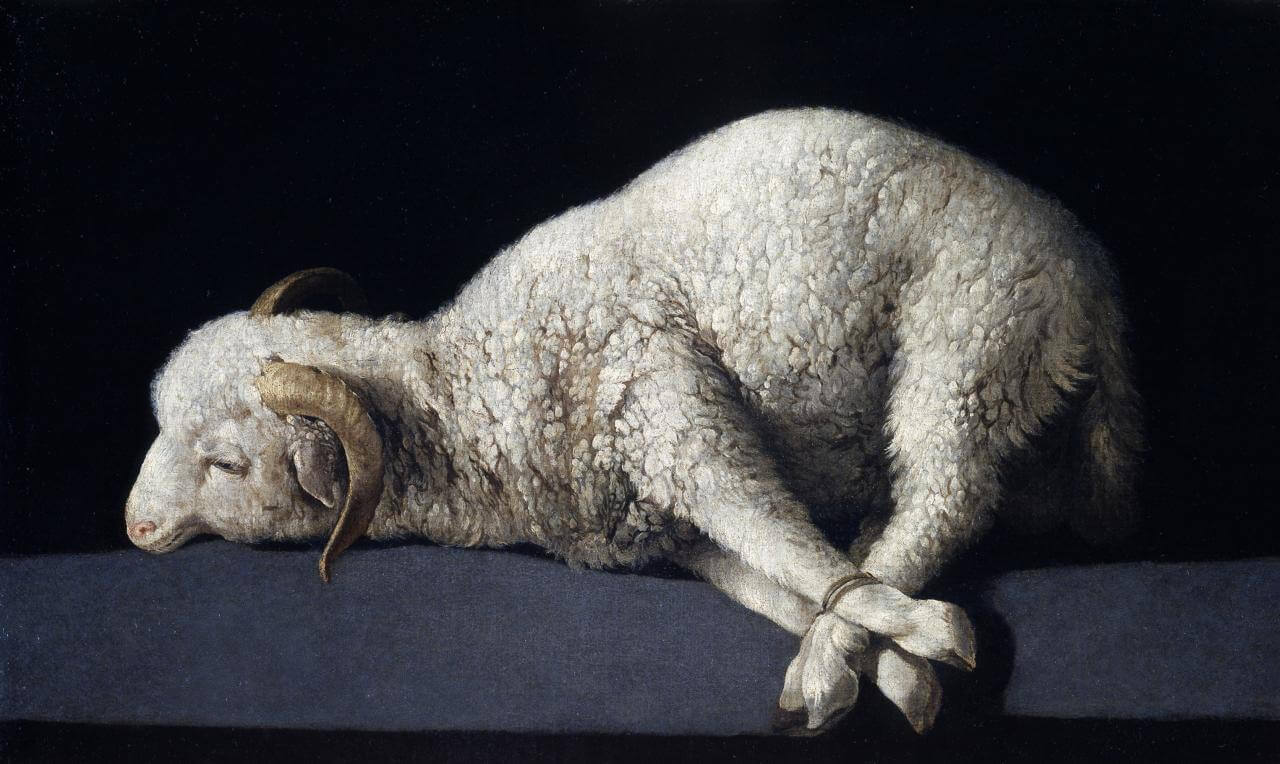
How was Jesus a sacrifice?
Posted by Luke J. Wilson on 25th March 2018 in Lent | sacrifice,sabbath,crucifixion,passover lamb,paschal lamb,sin,death,Palm Sunday
So often we hear this phrase said about Jesus, that he was “the lamb of God” and that he “takes away the sins of the world” — but what do those things mean and how did he take away sin?
John 1:29the next day [John] saw Jesus coming toward him and declared, “Here is the Lamb of God who takes away the sin of the world! (cf. Jn 1:36)
the New Testament writers repeatedly refer to Jesus as a lamb; but not only that — as a ransom too. Jesus even introduces himself that way at one point:
Mark 10:45
For the Son of Man came not to be served but to serve, and to give his life a ransom for many. (cf. Matthew 20:28)
To better understand the termi...
Powered by WebBoss.io 3.7.1
Copyright © 2026 The Sacred Faith: Timeless Truths for Modern Minds. All Rights Reserved.
