
Blog Search Results


Did you mean:
fasting
?
54 results for Fasting
found
within the Blog
6 displayed out of 54 (0.04seconds)Page 1 of 9

Great Lent: The Season of Fasting
Posted by Luke J. Wilson on 13th February 2016 in Lent | Lent,Easter,Fasting,Prayer,early church,early church fathers,paganism,pagan roots
Fasting
A spiritual and physical discipline
If you are looking for a Lenten reading plan, make sure to check out my book, 40 Days with the Fathers: A Journey Through Church History, which will take you through the first 400 years of church history in forty days!
Lent is upon us once again (according to Western tradition), and so I thought it’d be good to write something on the discipline of Fasting, which is often neglected or overlooked in many Protestant churches.
And much like any major holiday, there is the usual arguments and accusations about how it's all just pagan festivities with a "Christian mask". Easter is no different, and usually gets hit...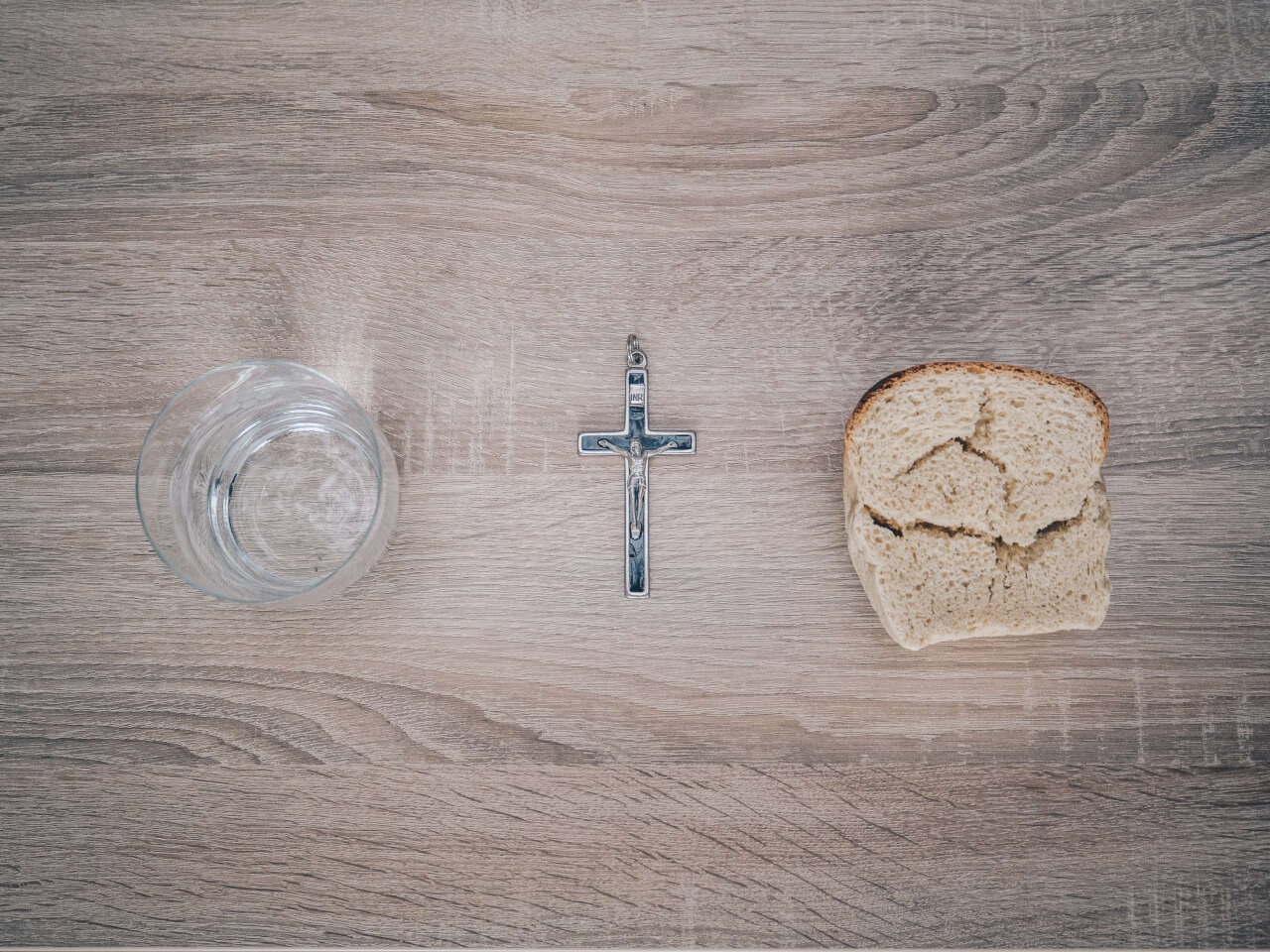
Fasting: A spiritual and physical discipline
Posted by Luke J. Wilson on 27th May 2019 in Fasting | Fasting,didache,discipline,self control,Lent,early church,early church fathers
...ntrol.
Fasting is participation in the Gospel. It is the ‘death’ of the flesh through denial, so that we can enjoy the resurrection of Christ in the spirit (Rom 8:13, Col 3:5).
It’s pure discipline and obedience (Jesus did say when not if – Matthew 6:16-18; Mark 2:20).
It’s putting to death the body – killing the flesh in order to live by the Spirit. (Gal 5:17)
It’s training you in self-control, discipline and willpower; growing and nurturing the fruit of the Spirit (Galatians 5:23; 2 Timothy 1:7; 1 Peter 4:7; 1 Peter 5:8).
For healing and deliverance of others (Mark 9:29; Matthew 17:21).
To prepare to hear from God via visions and reve...
Is Fasting an expectation for Christians?
Posted by Luke J. Wilson on 29th February 2020 in Fasting | Fasting,Lent,Ash Wednesday,self control,self denial
...; 22:17). Fasting was also used for various other needs people wanted from God, like petitioning for answers in prayer, for protection, forgiveness or simply for humbling yourself (Ezra 8:21; Nehemiah 1:4; 9:1; Esther 4:3; Psalm 35:13; 69:10; Daniel 9:3; Joel 2:12; Zechariah 8:18–19). As you can see, Fasting has a long and active tradition within Judaism, which passed on into Christianity quite naturally.
During Second Temple Judaism, biweekly fasts were a common practice amongst Jews (see Luke 18:12 for a brief mention of it), and this is what Jesus would have been targeting in his teaching in Matt. 6. A late first century text from the early church, called...
From Dust to Redemption: The Meaning of Ash Wednesday
Posted by Luke J. Wilson on 5th March 2025 in Lent |
...en Fast
Fasting has always been a central aspect of Lent, and by the time of the Council of Nicaea (AD 325), a forty-day period of Fasting before Easter had become a standard part of Church practice. This was based on the example of Jesus’ forty days in the wilderness (Matthew 4:1–2) and was intended to prepare believers spiritually for the Passion and Resurrection of Christ.
Athanasius, the great bishop of Alexandria, regularly wrote paschal (Easter) letters to the churches to encourage Fasting, self-control, and moderation during this period. His writings provide valuable insight into how Lent was observed in the early Church and confirm that the practi...
Spiritual Disciplines of the Early Church: Ancient Practices for the 21st Century
Posted by Luke J. Wilson on 17th June 2019 in Early Church |
...rayer and Fasting
Another common practice that was expected of believers was regular Fasting, since Jesus had said “when you fast”, not “if”.
Typically, Fasting was done every week on Wednesday and Friday, based on Matthew 6:16–18, and also to honour the days of the Passion and crucifixion in later tradition.
“But let not your fasts be with the hypocrites; … but fast on the fourth day (Wednesday) and the Preparation (Friday). … [But pray] as the Lord commanded in His Gospel (the Lord’s Prayer) … Thrice in the day thus pray.”
Didache (c. 50 – 70)
Alongside Fasting, praying the Lord’s Prayer three times a day (morning, noon, even...
Does Easter Have Pagan Origins?
Posted by Luke J. Wilson on 22nd March 2021 in Easter | Easter,easter sunday,early church,church history,paganism,pagan roots,Ishtar,Eostre,fertility goddess
...Much like any major Christian holiday, there are the usual arguments and accusations about how it’s all just pagan festivities with a “Christian mask”. Easter is no different, and usually gets hit the hardest over its so-called “pagan roots”, or in the month or so preceding it, Lent being some “invention of the Catholic Church”.
Table of Contents
The Lenten Fast
The Easter controversy and why we celebrate it when we do
Is the Name “Easter” really the Anglo-Saxon goddess Eostre?
Chocolate eggs and bunnies?
Concluding Thoughts
Further Reading and Sources
I like to try and observe Lent, as it is one of the most ancient custom...
Powered by WebBoss.io 3.7.1
Copyright © 2026 The Sacred Faith: Timeless Truths for Modern Minds. All Rights Reserved.
