
Blog Search Results


Did you mean:
star
?
2 results for Ishtar
found
within the Blog
2 displayed out of 2 (0.28seconds)Page 1 of 1
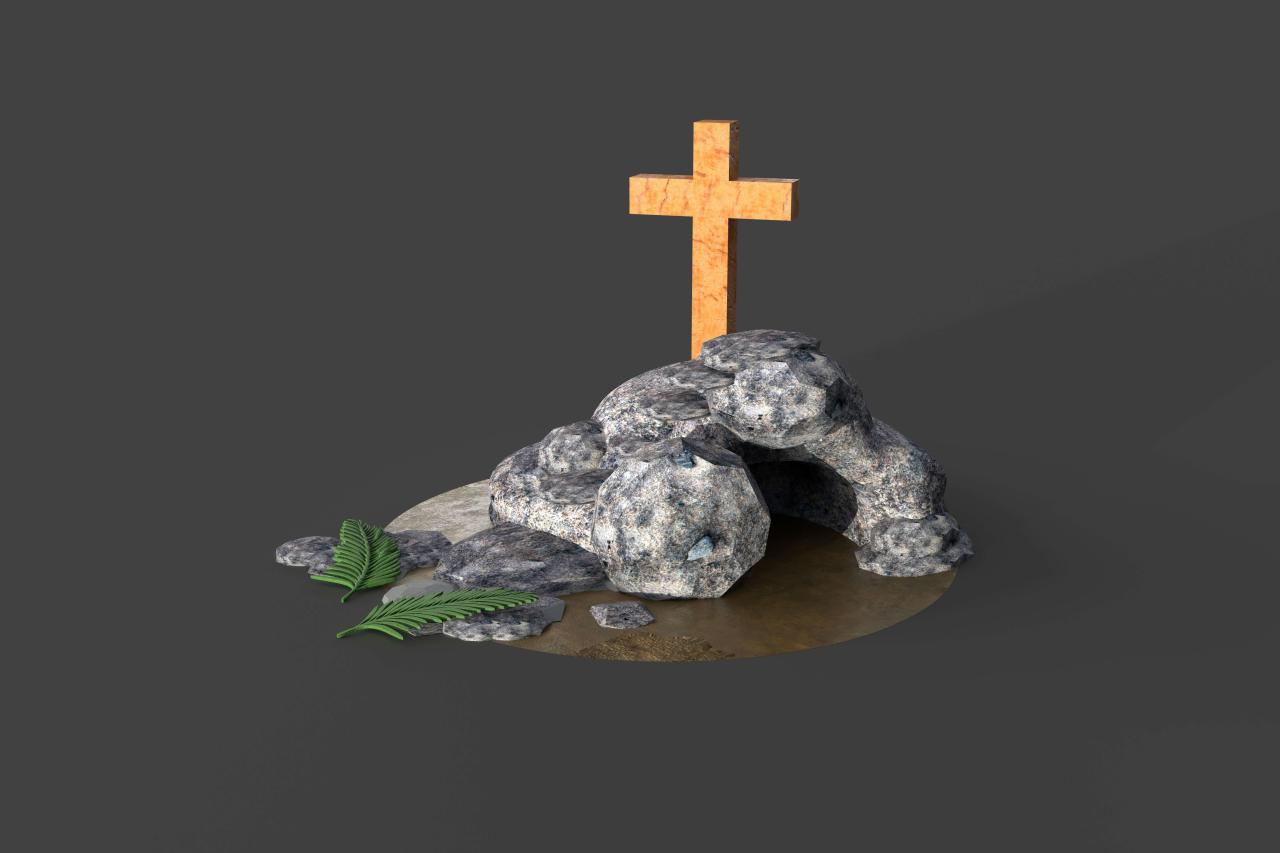
Does Easter Have Pagan Origins?
Posted by Luke J. Wilson on 22nd March 2021 in Easter | Easter,easter sunday,early church,church history,paganism,pagan roots,Ishtar,Eostre,fertility goddess
...etween “Ishtar” and “Easter” either. Ishar was an ancient Near Eastern fertility goddess, but just because the names sound somewhat similar in English, it doesn’t mean there is any etymological connection at all. Ishtar is also originally Akkadian, which was a language spoken in Mesopotamia (modern-day Iraq and Syria) between about 2,800 BC and 500 AD, and was also the goddess of war and sexual love. Not really anything there to do with “rebirth”, rabbits or Spring, nor even a historical connection to ancient Britain.
Eostre, on the other hand, actually does originate in ancient Britain from the Anglo-Saxons, and there is one (yes, only one) histo...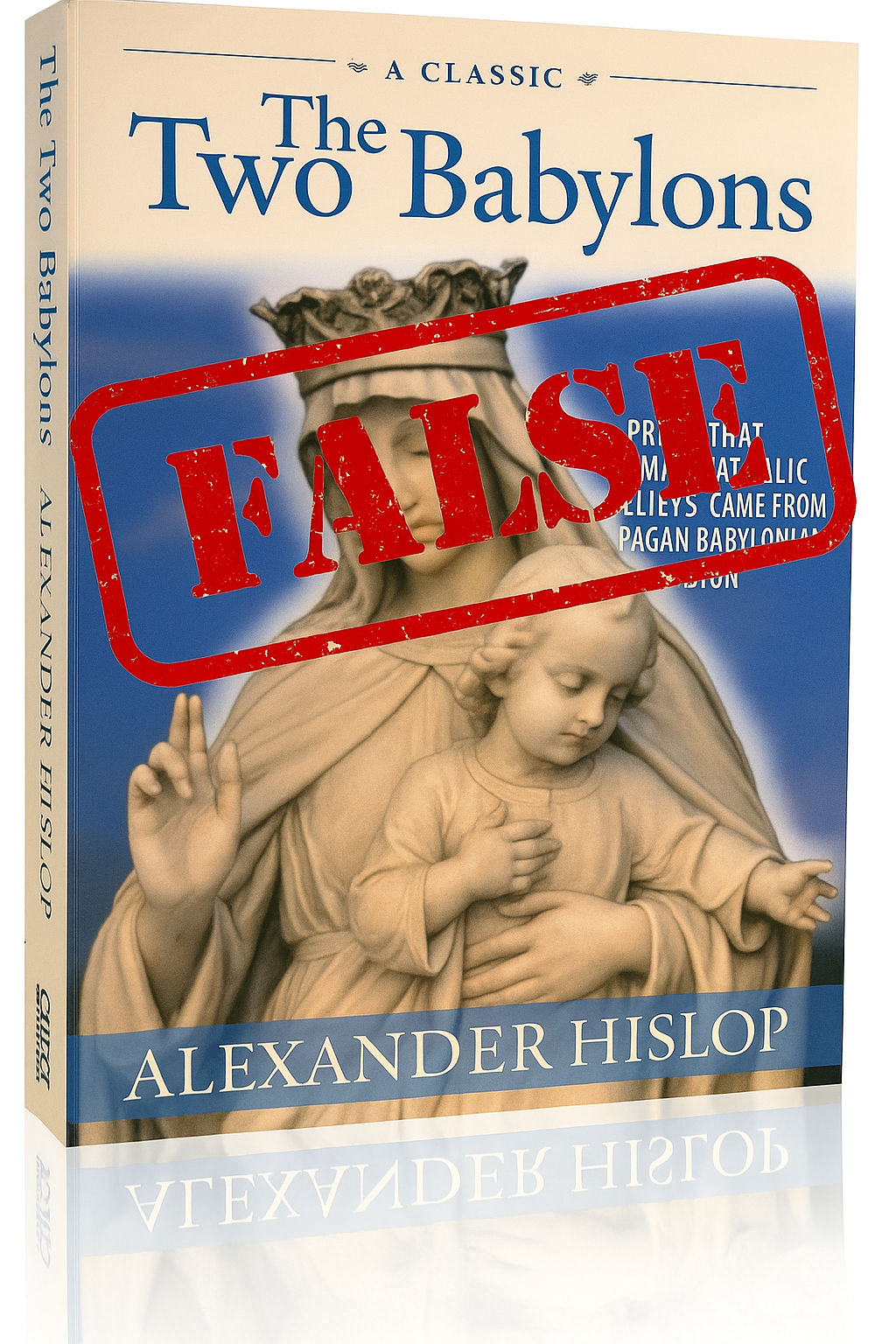
The Two Babylons Exposed: The Book That Misled Millions
Posted by Luke J. Wilson on 21st April 2025 in Easter |
...aster and Ishtar) or visual resemblances (like Mary and child compared with mother-goddess statues from ancient cultures). But phonetic resemblance isn’t evidence, and neither is visual similarity.
For example, if I say “sun” and “son” in English, they may sound alike, but they aren’t the same thing. That’s the level of reasoning at work in much of The Two Babylons. Hislop often lumps together completely different ancient figures — Isis, Semiramis, Ishtar, Aphrodite — as if they were all just variations of the same deity. He then tries to say Mary is just the Christian version of this pagan goddess figure. But there’s no credible evi...
Powered by WebBoss.io 3.7.1
Copyright © 2026 The Sacred Faith: Timeless Truths for Modern Minds. All Rights Reserved.
