
Blog Search Results


8 results for festival
found
within the Blog
6 displayed out of 8 (0.03seconds)Page 1 of 2

Does Christmas have pagan origins?
Posted by Luke J. Wilson on 19th December 2019 in Christmas | christmas,xmas,origins,pagan,pagan roots,church fathers,church history,Saturnalia,Epiphany,Annunciation,Tertullian,Origen,john chrysostom,incarnation,liturgical calendar,church calendar,festivals
...vity, the festival of Christmas has morphed into something altogether different than how the first Christians recognised and celebrated it (if they even did).
We know from historical records and study now that a lot of what has been incorporated into the festivities surrounding Christmas does have pagan origins, but does that make the holiday itself still pagan today? Are you inadvertently worshipping “the birthday of the Unconquered Sun” (Dies Natalis Solis Invicti) when you celebrate on the 25th of December?
Let’s trace a little bit of history and see how the early church viewed these festivals, as they were still happening in full force whilst the Chu...
Is Halloween a Pagan Holiday?
Posted by Luke J. Wilson on 30th October 2017 in Halloween | halloween,all saints day,all hallows eve,early church,tradition,cultural and society,celebrations,festivals,holidays,holy day
...is yearly festival began in the 7th century when Pope Boniface IV consecrated the Pantheon, a Roman temple to the gods. This then became a church called St. Mary of the Martyrs, and the date of the consecration, May 13th, was to be celebrated annually thereafter as the Feast of the Holy Martyrs. This was then later changed to November 1st by Pope Gregory IV in 835 AD to commemorate the dedication of St. Peter's Basilica in Rome to all of the saints. The feast day was then extended and made universal to include all the saints who had died, not just martyrs since there had become too many to individually commemorate. And thus, All Saints Day was born.
This isn't...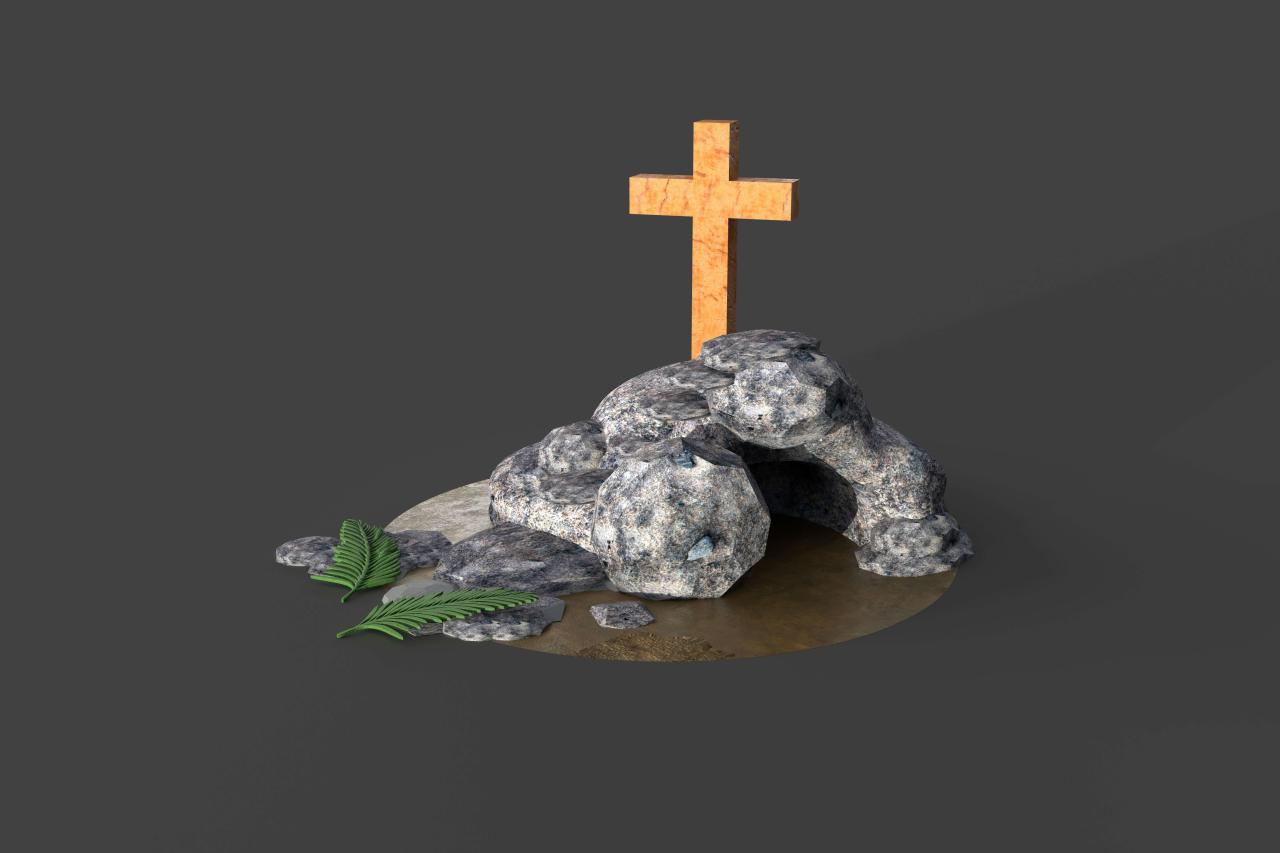
Does Easter Have Pagan Origins?
Posted by Luke J. Wilson on 22nd March 2021 in Easter | Easter,easter sunday,early church,church history,paganism,pagan roots,Ishtar,Eostre,fertility goddess
...hold the festival!
Yep, the controversy really is as mundane as that. In fact, it was one of the issues raised at the Council of Nicea to be discussed and hopefully settled, and is officially known as the Quartodeciman (lit. Fourteenth) controversy/dispute. It’s called this due to the issue being over whether the Easter celebration should follow the Jewish pattern of Passover on the 14 Nisan or not, and simply follow the days of the week (Friday and Sunday). It became a bigger issue when not only the Jewish community of believers wanted to follow this method, but when the Gentile Asian communities also claimed that their “Quartodeciman” practice was of A...
The Eighth Day
Posted by Luke J. Wilson on 26th October 2016 in Eschatology | eighth day,early church,new creation,baptism,resurrection,eschatology,sabbath,Lord's Day,festival of Booths
...uring the festival of booths Jesus used the symbols of that festival (water and light) to declare that he himself is the true fulfillment of that! You can read a more in depth explanation of that at jewsforjesus.org.
After Barnabas, we find scattered references in other early writings which show understanding of Christ's fulfillment in these things – such as Justin Martyr, who wrote saying that the eighth day “possessed a certain mysterious significance, which the seventh day did not”; and Cyprian who wrote that this was also the fulfilment of the Jewish practice of circumcision on the eighth day after birth (Genesis 17:12) which was a shadow of Christ ri...
Lent Day 39: Leo the Great: Sermon XLIX (On Lent XI)
Posted by Luke J. Wilson on 14th April 2017 in Lent | Lent,great lent,fasting,early church fathers,devotional,daily reading,Doctor of the Church,lectures,Leo the Great,St Leo,Pope Leo I,sermon,almsgiving
...Day Thirty-nine: St. Leo the Great: Sermon XLIX (On Lent XI)
Who: Leo the Great, also known as Pope St. Leo I (the Great), was Pope from 440-61 AD. Place and date of birth unknown; died 10 November, 461. Leo's pontificate, next to that of St. Gregory I, is the most significant and important in Christian antiquity, as he tried to combat the heresies which seriously threatened church unity even in the West, such as Pelagianism.
What: A sermon on the season of Lent as the Easter festival approached.
Why: To encourage the Church to fast during this season in order than they may put away temptations and overcome their vices, to be guided by God in all things.
W...
Lent Day 40: Leo the Great: Sermon LXXII: ON THE LORD'S RESURRECTION, II
Posted by Luke J. Wilson on 15th April 2017 in Lent | Lent,great lent,fasting,early church fathers,devotional,daily reading,Doctor of the Church,lectures,Leo the Great,St Leo,Pope Leo I,sermon,resurrection,easter,easter sunday
...Day Forty: St. Leo the Great: Sermon LXXII: ON THE LORD'S RESURRECTION, II
Who: Leo the Great, also known as Pope St. Leo I (the Great), was Pope from 440-61 AD. Place and date of birth unknown; died 10 November, 461. Leo's pontificate, next to that of St. Gregory I, is the most significant and important in Christian antiquity, as he tried to combat the heresies which seriously threatened church unity even in the West, such as Pelagianism.
What: A sermon on the Gospel, incarnation and resurrection of our Lord.
Why: To encourage the Church in the power of the incarnation and the true faith and the nature of Christ and to give a new meaning to Passover in lig...
Powered by WebBoss.io 3.7.1
Copyright © 2026 The Sacred Faith: Timeless Truths for Modern Minds. All Rights Reserved.
