
Blog Search Results


4 results for melito of sardis
found
within the Blog
4 displayed out of 4 (0.58seconds)Page 1 of 1

Great is the Mystery of Faith!
Posted by Luke J. Wilson on 17th September 2022 in Early Church | melito of sardis,Faith,mysteries,church fathers,early church fathers,Quotes,fragment
A little while ago, I came across a quote on Facebook by a guy called melito of sardis.
St. melito of sardis
melito was bishop of the church in sardis (modern-day Sart), a city of Asia Minor near Smyrna (modern-day Izmir, Turkey), and lived between 160-170/177 AD until he was martyred, possibly under the reign of Marcus Aurelius. Due to the close proximity of locations, he may also have known Ignatius who was also from Asia Minor, and potentially was also an acquaintance of Polycarp and his disciple, Irenaeus. There’s also the thought that he may have been the successor to the leader of the church in sardis, which is mentioned by the Apostle John in Re...
God from God: The Eternal Son in the Crib
Posted by Luke J. Wilson on 13th December 2025 in Christmas | advent,incarnation,xmas,christmas
How can God beget a Son? Does that mean Jesus is His creation?
This question comes sharply into focus during Advent, when the Church contemplates the Incarnation: the eternal Son entering the world as a baby in Mary’s womb. And to understand this, we turn to language the Church has treasured for centuries — especially that crucial distinction between begotten and created.
And C. S. Lewis describes this with a real concise clarity:
We don’t use the words begetting or begotten much in modern English, but everyone still knows what they mean. To beget is to become the father of: to create is to make. And the difference is this. When you beget, you beget...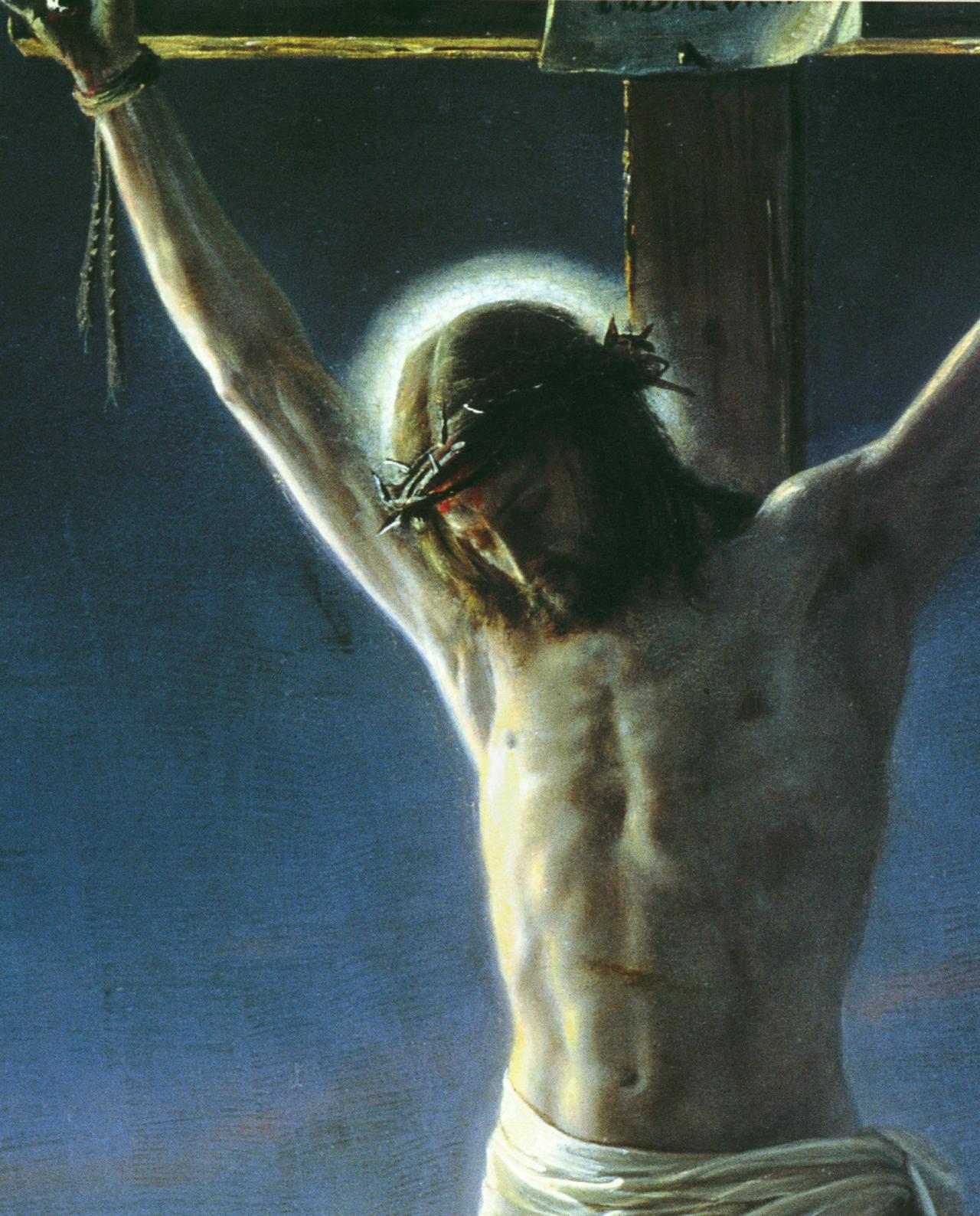
7 Ways Jesus Reverses the Curse From Eden
Posted by Luke J. Wilson on 8th April 2023 in Easter | Easter,crucifixion,gospel,kingdom of god,curse,genesis,creation
Everything about the Kingdom of God is a reversal of worldly powers (servant leadership, first shall be last, etc.). God’s ways are opposed to the World’s ways.
Likewise, everything about the Gospel is a reversal of what went wrong in the beginning of creation and nowhere is this highlighted more than during the Passion, crucifixion and resurrection of Jesus. So here are seven ways in which Jesus reverses all the mistakes and curses from creation.
1. The disobedience in the Garden of Eden is now rectified by the obedience of Jesus in the Garden of Gethsemane.
Genesis 3:11Have you eaten from the tree of which I commanded you not to eat?
Luke 22:42...
Does Easter Have Pagan Origins?
Posted by Luke J. Wilson on 22nd March 2021 in Easter | Easter,easter sunday,early church,church history,paganism,pagan roots,Ishtar,Eostre,fertility goddess
Much like any major Christian holiday, there are the usual arguments and accusations about how it’s all just pagan festivities with a “Christian mask”. Easter is no different, and usually gets hit the hardest over its so-called “pagan roots”, or in the month or so preceding it, Lent being some “invention of the Catholic Church”.
Table of Contents
The Lenten Fast
The Easter controversy and why we celebrate it when we do
Is the Name “Easter” really the Anglo-Saxon goddess Eostre?
Chocolate eggs and bunnies?
Concluding Thoughts
Further Reading and Sources
I like to try and observe Lent, as it is one of the most ancient custom...
Powered by WebBoss.io 3.7.1
Copyright © 2026 The Sacred Faith: Timeless Truths for Modern Minds. All Rights Reserved.
