
Blog Search Results


82 results for power cuts
found
within the Blog
6 displayed out of 82 (0.26seconds)Page 10 of 14

The Temptations of Jesus: Testing God
Posted by Luke J. Wilson on 4th March 2018 in Lent | temptation,testing God,pinnacle,Temple,Jesus,Satan,wilderness,Lent,desert,Armour of God
Here we are at the final temptation that the devil directly attacks Jesus with (I say directly, because next week I’m going to look at the more subtle attacks and temptations we can face).
Let’s begin with the text:
Matthew 4:5-7
Then the devil took him to the holy city and placed him on the pinnacle of the temple, saying to him, “If you are the Son of God, throw yourself down; for it is written,
‘He will command his angels concerning you,’
and ‘On their hands they will bear you up,
so that you will not dash your foot against a stone.’”
Jesus said to him, “Again it is written, ‘Do not put the Lord your God to the test.’” (...
What did Jesus actually sacrifice?
Posted by Luke J. Wilson on 18th March 2018 in Lent | Jesus,Jesus death,sacrifice,Jesus sacrifice,atheist,meme,flogging,crucifixion,Godhead,eternal consequences
Sometimes the question, or accusation/criticism maybe, is posed by atheists and critics of Christianity that Jesus didn’t really sacrifice anything because he is God and also because he got his life back three days later. So where’s the sacrifice if you know that what you give up will be given back, and given back even better than you previously had it?
It’s an interesting question, and one that should cause us to stop and think about what we, as Christians, say to non-believers in case the question is ever given to us. Most people will say Jesus gave up his life for us – but is that such a big deal if he knew he’d have it back in three days; and th...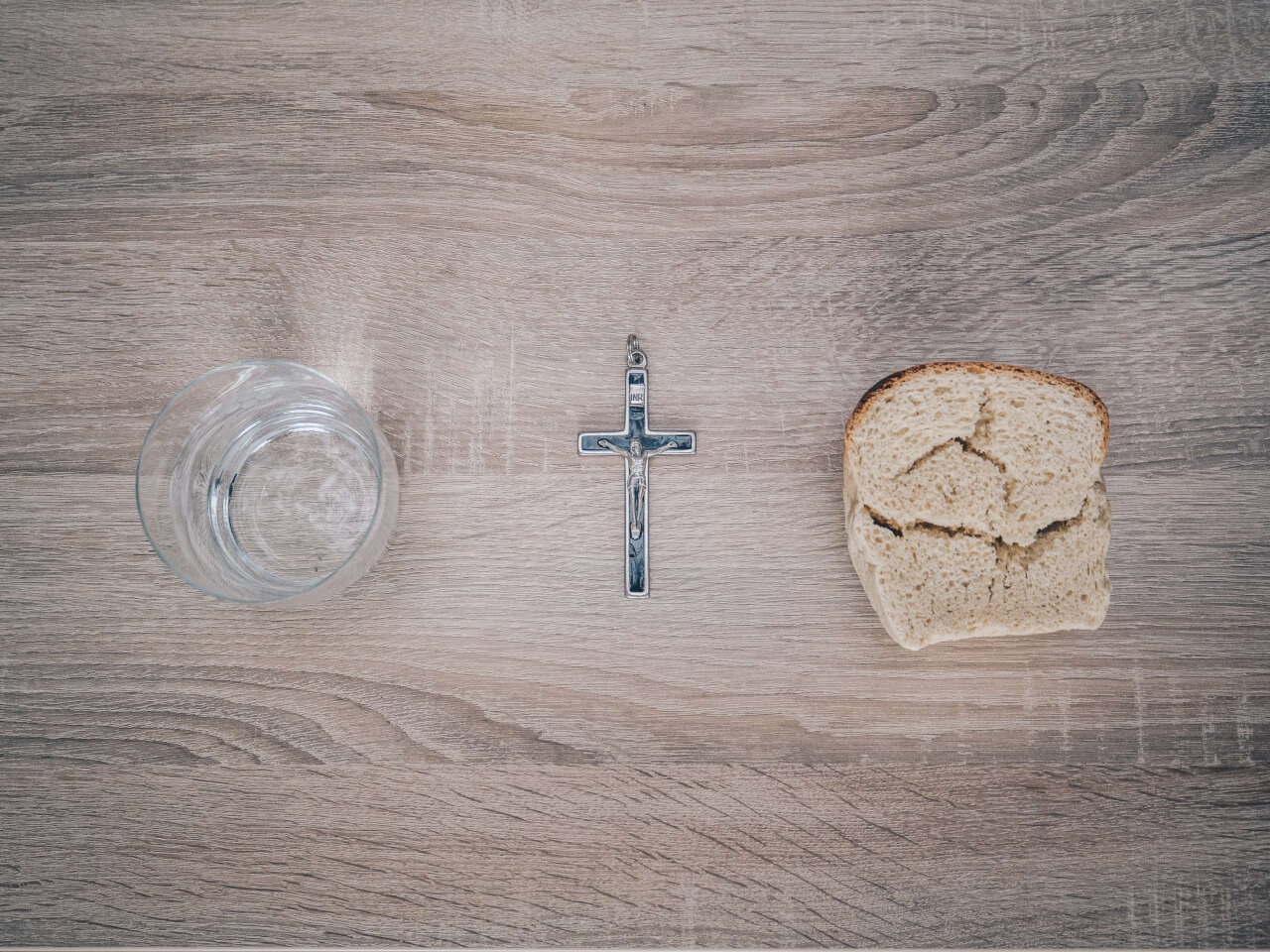
Fasting: A spiritual and physical discipline
Posted by Luke J. Wilson on 27th May 2019 in Fasting | fasting,didache,discipline,self control,Lent,early church,early church fathers
The topic of fasting often comes up in online discussion groups that I'm a part of, more often in Protestant circles where the practice is more often sidelined in low churches. So let's take a look at the practice of fasting from a practical and historical view, as it seems to be a spiritual discipline which has been pushed aside in many churches today, with prayer, worship and bible reading taking more precedence in a Christian's life instead (not that those are bad things to do!).
Why fast?
There are many reasons to fast, and recent studies have shown a lot of health benefits that can be derived from fasting. But on the spiritual side of life, there are also...
Christians and the Coronavirus (COVID-19)
Posted by Luke J. Wilson on 20th March 2020 in Coronavirus |
We currently live in troubled times lately with a lot of uncertainty around us, both locally and globally. But even now as I write this and think on the topic of the virus, one verse in particular springs to mind:
Psalm 23:4Even though I walk through the valley of the shadow of deathI fear no evil;for you are with me;your rod and your staff — they comfort me.
It does feel a little bit like we are all walking through “the valley of the shadow of death” at the moment! But as the Psalmist says, “I fear no evil” for God is with us and comforts us. That doesn’t necessarily mean we won’t get sick (or die), but that no matter what is happening aroun...
Lent Day 35: Ambrose of Milan: Concerning the Mysteries: 1-4
Posted by Luke J. Wilson on 10th April 2017 in Lent | Lent,great lent,fasting,early church fathers,devotional,daily reading,Doctor of the Church,lectures,liturgy,catechism,Eucharist,Bishop of Milan,St Ambrose,mysteries,treatise
Day Thirty-five: St. Ambrose of Milan: Concerning the Mysteries: 1-4
Who: Bishop of Milan from 374 to 397; born probably 340, at Trier, Arles, or Lyons; died 4 April, 397. He was one of the most illustrious Fathers and Doctors of the Church.
What: The treatise was composed for use during the latter part of Lent, for the benefit of those about to be baptised, the rites and meaning of that Sacrament, as well as of Confirmation and the Holy Eucharist. For all these matters were treated with the greatest reserve in the Early Church, for fear of being misused by unbelievers.
Why: Ambrose states that after the explanations he has already given of holy living (in pr...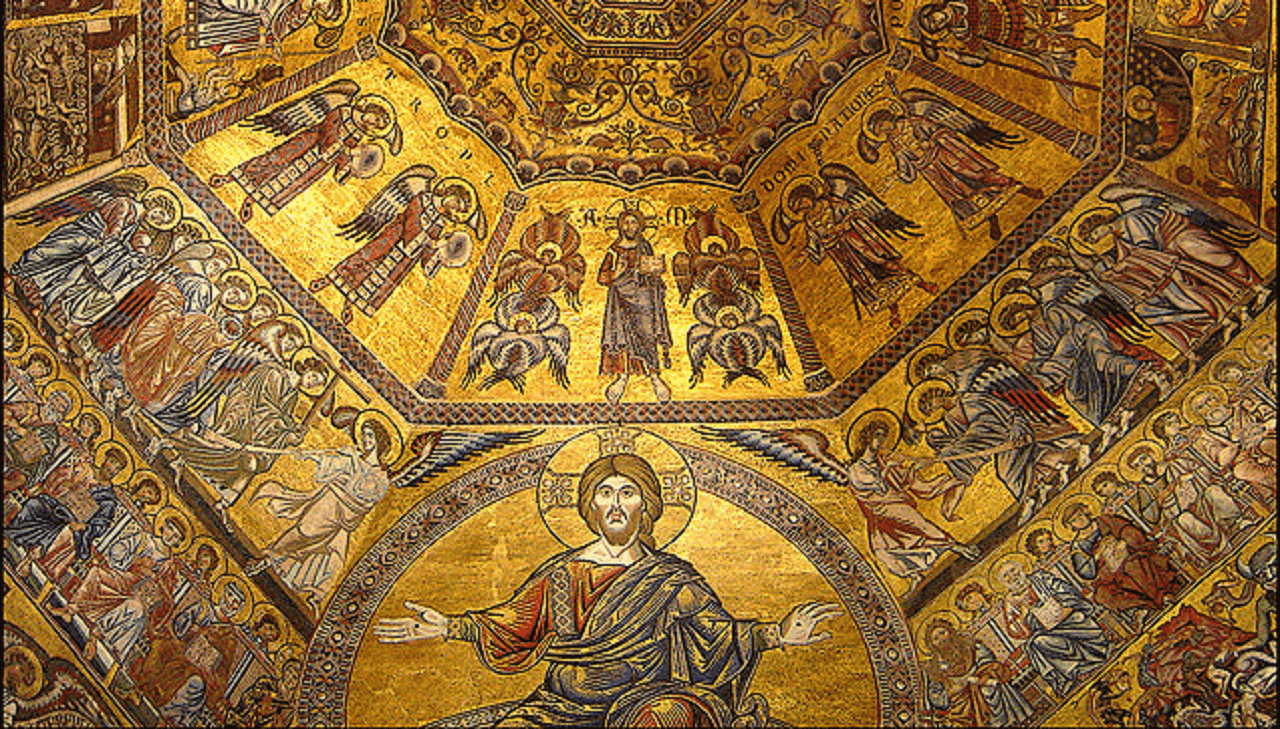
What are the Seraphim, and was the devil one of them?
Posted by Luke J. Wilson on 23rd April 2020 in Angels | devil,satan,angels,seraphim,heaven
Have you ever wondered about what the devil is — or was, pre-Fall? You’ve probably been told that he used to be an angel with God, so then why is he often described as a snake, serpent or dragon?
Though there isn’t a great deal given away in Scripture as to the nature of angels, or the heavenly realms in general, we get some glimpses from the visions of the prophets. But what we can also look at is the words which the Bible uses; some of which aren’t translated and so lose their original meaning in English.
The Seraphim
The word “seraphim” is a transliteration of a Hebrew word, rather than a translation, so in English we often will miss the me...
Powered by WebBoss.io 3.7.1
Copyright © 2026 The Sacred Faith: Timeless Truths for Modern Minds. All Rights Reserved.
