
Blog Search Results


63 results for the problem of evil
found
within the Blog
6 displayed out of 63 (0.77seconds)Page 10 of 11
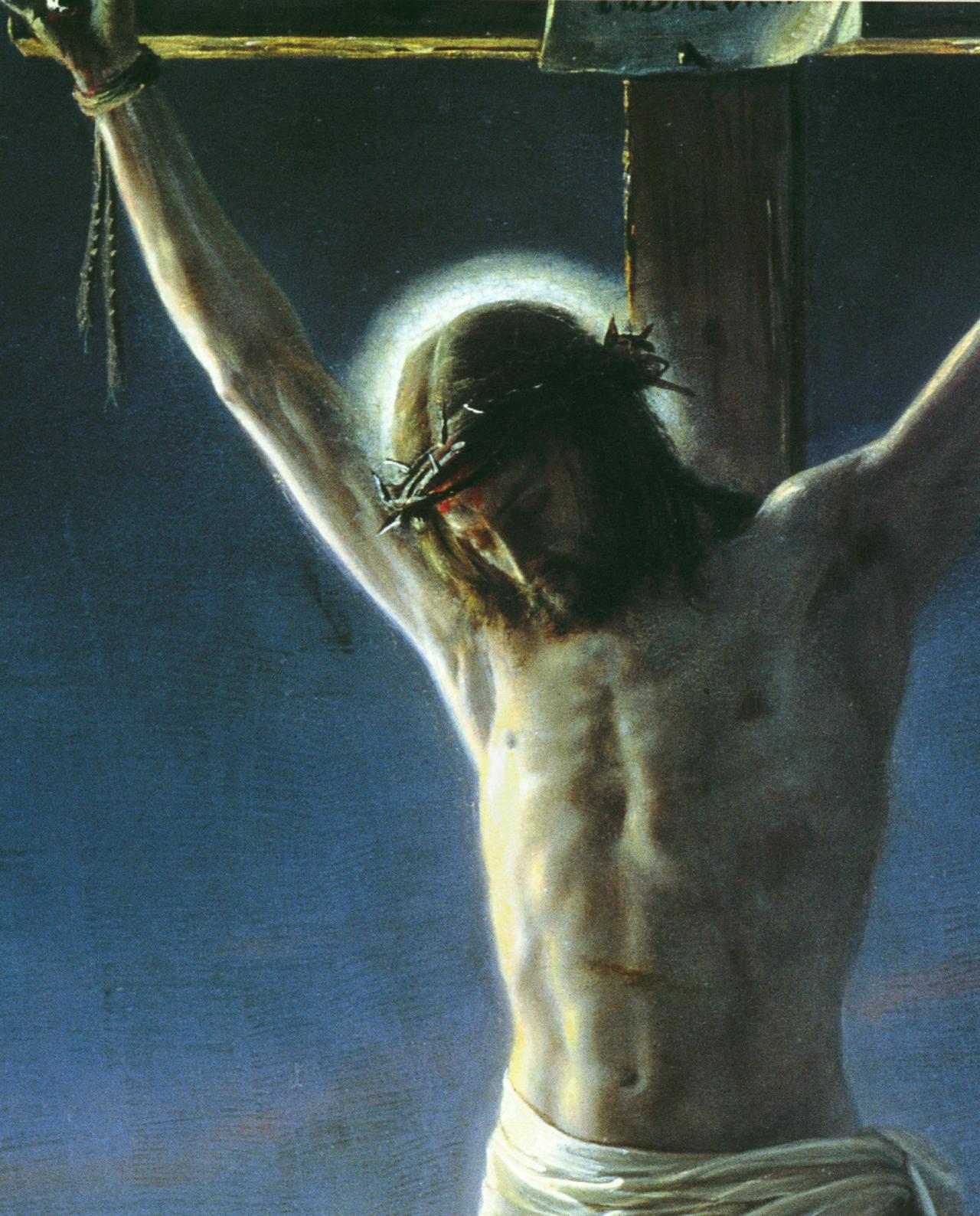
7 Ways Jesus Reverses the Curse From Eden
Posted by Luke J. Wilson on 8th April 2023 in Easter | Easter,crucifixion,gospel,kingdom of god,curse,genesis,creation
Everything about the Kingdom of God is a reversal of worldly powers (servant leadership, first shall be last, etc.). God’s ways are opposed to the World’s ways.
Likewise, everything about the Gospel is a reversal of what went wrong in the beginning of creation and nowhere is this highlighted more than during the Passion, crucifixion and resurrection of Jesus. So here are seven ways in which Jesus reverses all the mistakes and curses from creation.
1. the disobedience in the Garden of Eden is now rectified by the obedience of Jesus in the Garden of Gethsemane.
Genesis 3:11Have you eaten from the tree of which I commanded you not to eat?
Luke 22:42...
Did St. Nicholas Really Slap Arius?
Posted by Luke J. Wilson on 21st November 2023 in Christmas | christmas,arianism,st nicholas,meme
It’s nearly Christmas time again, and like clockwork, the internet memes come out all over social media about Saint Nicholas giving the heretic Arius a slap across the face at the Council of Nicaea!
As it’s almost the end of November and coming up soon is the feast day of St. Nicholas on December 6th, the original inspiration behind Santa Claus, I thought I’d address this long-standing myth about Nicholas of Myra (present-day Demre, Turkey), the fourth century bishop.
St. Nicholas is often humorously portrayed in social media memes which playfully recount the infamous incident during the Council of Nicaea when the good bishop, provoked by Arius’s blasp...
Lent Day 31: Cyril of Jerusalem: Catechetical Lectures: Lecture XX
Posted by Luke J. Wilson on 5th April 2017 in Lent | Lent,great lent,fasting,early church fathers,devotional,daily reading,Doctor of the Church,lectures,liturgy,catechism,Bishop of Jerusalem,baptism
Day Thirty-one: St. Cyril of Jerusalem: Catechetical Lectures: Lecture XX
Who: Bishop of Jerusalem and Doctor of the Church, born about 315; died probably 18 March, 386. Little is known of his life, except from his younger contemporaries, Epiphanius, Jerome, and Rufinus, as well as from the fifth-century historians, Socrates, Sozomen and theodoret.
What: Each of the lectures deal with a different topic to teach converts the mysteries of the Church, particularly: rites of the renunciation of Satan and his works, of anointing with oil, of baptism, of anointing with the holy chrism, and of partaking of the body and blood of Christ.
Why: Cyril delivered to new co...
Lent Day 33: Cyril of Jerusalem: Catechetical Lectures: Lecture XXII
Posted by Luke J. Wilson on 7th April 2017 in Lent | Lent,great lent,fasting,early church fathers,devotional,daily reading,Doctor of the Church,lectures,liturgy,catechism,Bishop of Jerusalem,Eucharist,Communion,Real Presence,Transubstantiation
Day Thirty-three: St. Cyril of Jerusalem: Catechetical Lectures: Lecture XXII
Who: Bishop of Jerusalem and Doctor of the Church, born about 315; died probably 18 March, 386. Little is known of his life, except from his younger contemporaries, Epiphanius, Jerome, and Rufinus, as well as from the fifth-century historians, Socrates, Sozomen and theodoret.
What: Each of the lectures deal with a different topic to teach converts the mysteries of the Church, particularly: rites of the renunciation of Satan and his works, of anointing with oil, of baptism, of anointing with the holy chrism, and of partaking of the body and blood of Christ.
Why: Cyril delivered to ne...
the Reality of Sin
Posted by Luke J. Wilson on 19th November 2018 in Sin | sin,zombies,mold,mildew,judgement
Sin is like a mold on us, like a rotting, black skin disease. If only we could see it on us, we'd be disgusted and repulsed! Zombies are popular on TV etc. right now, think of the grossness of those images and realise that when we sin and keep sinning, that's what we end up looking like before God!
We are living stones, together building up the temple of the Holy Spirit (1 Peter 2:5; 1 Cor 6:19). Think about that for a moment. Think of the splendor of Solomon's temple when it was built (re-read it again if you can’t remember: 1 Kings 6:14-36). We are that and SO much more! But now imagine it with mold and mildew and all that horrible black damp growing and sp...Was the omniscience of God a developed idea?
Posted by Luke J. Wilson on 21st April 2014 in the Nature of God | progressive revelation, Christocentric, Christotelic, Hermeneutics, omniscience, omnipresence, theology
Or do we retroactively place our current theology of God on God?
Consider the Garden of Eden: '[T]he Lord God called to the man, and said to him, “Where are you?”' (Gen. 3:8-10)
Now today we make it into a rhetorical question, but was this always so? In this story, God is spoken of almost in a physical-bodily sense as walking in the garden, since "they heard the sound of the Lord God walking in the garden" as he moved about, and then tried to hide themselves from his view!
Next think of the tower of Babel - "the Lord came down to see the city and the tower, which mortals had built" (Gen 11:5) - Did he not just know already? Also this story...
Powered by WebBoss.io 3.7.1
Copyright © 2026 The Sacred Faith: Timeless Truths for Modern Minds. All Rights Reserved.
