
Blog Search Results


144 results for bread of life
found
within the Blog
6 displayed out of 144 (0.42seconds)Page 11 of 24

Lent Day 40: Leo the Great: Sermon LXXII: ON THE LORD'S RESURRECTION, II
Posted by Luke J. Wilson on 15th April 2017 in Lent | Lent,great lent,fasting,early church fathers,devotional,daily reading,Doctor of the Church,lectures,Leo the Great,St Leo,Pope Leo I,sermon,resurrection,easter,easter sunday
Day Forty: St. Leo the Great: Sermon LXXII: ON THE LORD'S RESURRECTION, II
Who: Leo the Great, also known as Pope St. Leo I (the Great), was Pope from 440-61 AD. Place and date of birth unknown; died 10 November, 461. Leo's pontificate, next to that of St. Gregory I, is the most significant and important in Christian antiquity, as he tried to combat the heresies which seriously threatened church unity even in the West, such as Pelagianism.
What: A sermon on the Gospel, incarnation and resurrection of our Lord.
Why: To encourage the Church in the power of the incarnation and the true faith and the nature of Christ and to give a new meaning to Passover in lig...
Lent: Day 2 - Mathetes to Diognetus, pt. 1
Posted by Luke J. Wilson on 3rd March 2017 in Lent | Lent,great lent,fasting,early church fathers,devotional,daily reading,epistle of mathetes to diognetus
Day two: Epistle of Mathetes to Diognetus: Chaps. 1-6
Who: Anonymous author, “mathetes” is not a name, but is the Greek word for “a disciple”
What: possibly one of the earliest examples of a Christian apologetic defending the faith from its accusers, written to someone interested in learning more about the faith and its customs
Why: The Christian faith was under attack and ridicule in the early centuries, many things about the Church were misunderstood and so various Christians took to writing apologetic's (defences) to clarify doctrines and beliefs from being maligned.
When: Estimated between AD 130 and late 2nd century
I've only ever come acros...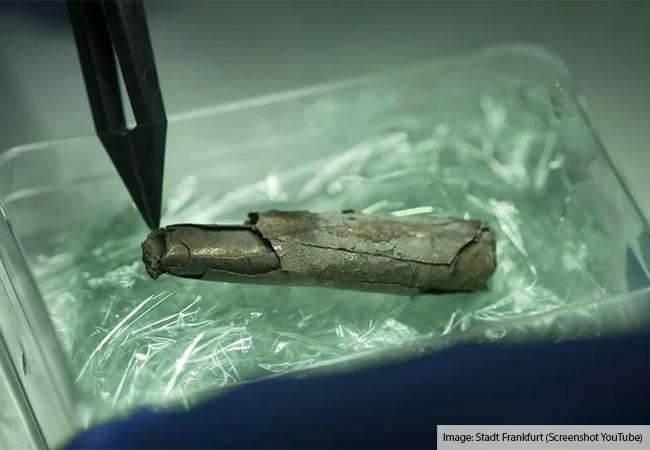
Implications of The Frankfurt Silver Amulet: Insights Into Early Christian Practice And Belief
Posted by Luke J. Wilson on 6th January 2025 in Archaeology | amulet,liturgy,history,current events,early church
The discovery of an 1,800-year-old silver amulet in Frankfurt, Germany, has captured the attention of archaeologists and theologians alike. Known as the “Frankfurt Silver Inscription,” this artefact is the earliest known evidence of Christianity north of the Alps and serves as a great insight to early Christian theology and liturgical practice.
Its early date (230–270 AD) sets it apart from previously known artefacts, which are at least 50 years younger. While there are historical references to Christian communities in Gaul and Upper Germania during the late 2nd century, reliable material evidence of Christian life in the northern Alpine regions generally...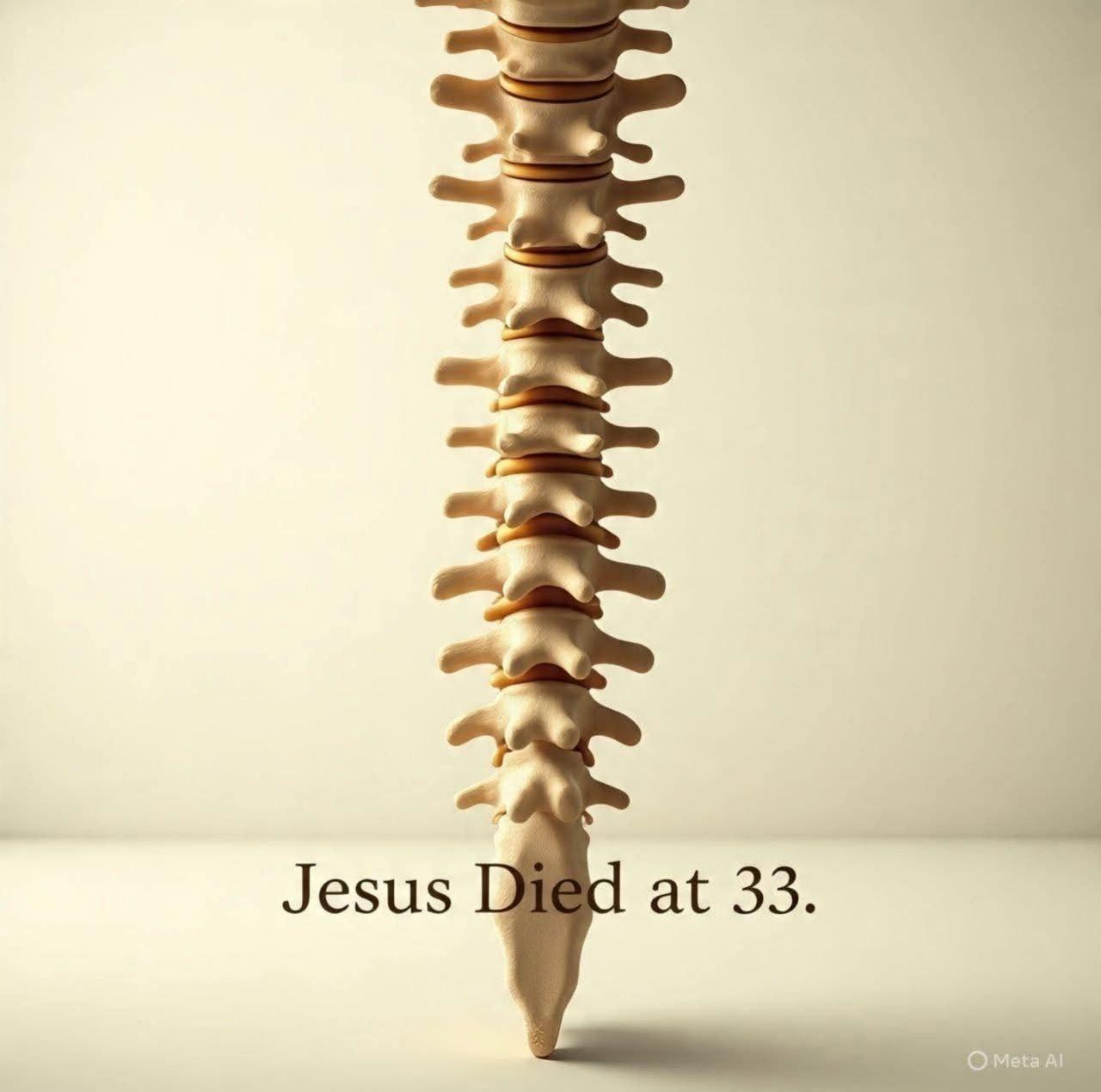
Fact-Checking the Viral Post Connecting Human Anatomy and the Bible
Posted by Luke J. Wilson on 19th August 2025 in Fact-Checking | biology,anatomy,apologetics,fact-checking,Facebook
A poetic post has been circulating widely on Facebook, suggesting that our anatomy mirrors various aspects of Scripture. On the surface it sounds inspiring, but when we take time to weigh its claims, two main problems emerge.
The viral post circulating on Facebook [Source]
First, some of its imagery unintentionally undermines the pre-existence of Christ, as if Jesus only “held the earth together” for the 33 years of His earthly life. Second, it risks reducing the resurrection to something like biological regeneration, as if Jesus simply restarted after three days, instead of being raised in the miraculous power of God.
Alongside these theolog...
Lent Day 38: Leo the Great: Sermon XXI (On the Nativity Feast I)
Posted by Luke J. Wilson on 13th April 2017 in Lent | Lent,great lent,fasting,early church fathers,devotional,daily reading,Doctor of the Church,lectures,Leo the Great,St Leo,hypostatic union,deity of christ,Pope Leo I,christology,sermon
Day Thirty-eight: St. Leo the Great: Sermon XXI (On the Nativity Feast I)
Who: Leo the Great, also known as Pope St. Leo I (the Great), was Pope from 440-61 AD. Place and date of birth unknown; died 10 November, 461. Leo's pontificate, next to that of St. Gregory I, is the most significant and important in Christian antiquity, as he tried to combat the heresies which seriously threatened church unity even in the West, such as Pelagianism.
What: A sermon on the Nativity at Christmas time, about the incarnation of the Word of God.
Why: To explain the incarnation and preach the Good News of our Lord and Saviour becoming man for our sake so that we may be sav...
Creedal Christians: The Apostle's Creed
Posted by Luke J. Wilson on 11th October 2018 in Early Church | creedal christians,creeds,creedal,apostles,apostolic creed,apostolic tradition,rule of faith,early church fathers,early church
The Apostle's creed — what is it and why is it called that?
Outside of the New Testament, this is one of the oldest creeds we have, dating back to the sixth – eighth century in its current form that is commonly known today, but having its origins much earlier — as far back as the second century in a shorter form known simply as the “Old Roman Creed”.
The Apostles creed is also sometimes referred to as the “Rule of Faith” as it is a summary of the Gospel and is the basis for pretty much all modern theology. The points of the creed cover all the major pillars of the Christian faith which aims to safeguard what is true orthodoxy (right belief), whic...
Powered by WebBoss.io 3.7.1
Copyright © 2026 The Sacred Faith: Timeless Truths for Modern Minds. All Rights Reserved.
