
Blog Search Results


156 results for reading plan
found
within the Blog
6 displayed out of 156 (0.36seconds)Page 11 of 26
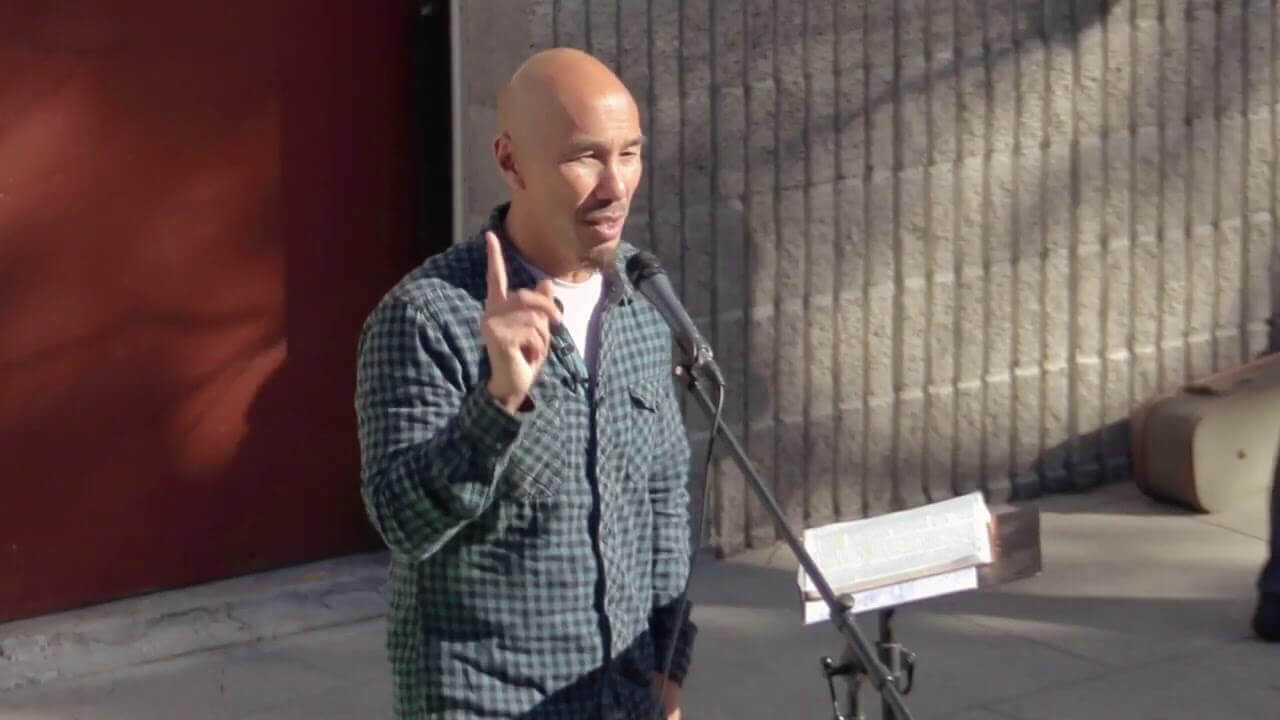
Francis Chan turns towards a more historical and ancient view of Communion
Posted by Luke J. Wilson on 14th January 2020 in General Interest | eucharist,communion,francis chan,church fathers,church history,controversy
If you follow certain Christian blogs, or have Christian friends on Social Media, then you may have seen a short video clip being shared which has been taken from a recent sermon by popular Evangelical pastor/speaker and author, Francis Chan of Crazy Love ministries.
Depending on who shared the clip will depend on which reaction you have seen; some are praising his words, others fearing for his future calling it a “red flag”.
And all of this over a short statement he made about communion!
I recommend you watch this 3 minute clip below before continuing, if you haven’t seen it already. I would also recommend watching the whole 47 minute sermon for some b...
Lent Day 32: Cyril of Jerusalem: Catechetical Lectures: Lecture XXI
Posted by Luke J. Wilson on 6th April 2017 in Lent | Lent,great lent,fasting,early church fathers,devotional,daily reading,Doctor of the Church,lectures,liturgy,catechism,Bishop of Jerusalem,anointing,Holy Spirit,chrism
Day Thirty-two: St. Cyril of Jerusalem: Catechetical Lectures: Lecture XXI
Who: Bishop of Jerusalem and Doctor of the Church, born about 315; died probably 18 March, 386. Little is known of his life, except from his younger contemporaries, Epiphanius, Jerome, and Rufinus, as well as from the fifth-century historians, Socrates, Sozomen and Theodoret.
What: Each of the lectures deal with a different topic to teach converts the mysteries of the Church, particularly: rites of the renunciation of Satan and his works, of anointing with oil, of baptism, of anointing with the holy chrism, and of partaking of the body and blood of Christ.
Why: Cyril delivered to new c...
Lent Day 35: Ambrose of Milan: Concerning the Mysteries: 1-4
Posted by Luke J. Wilson on 10th April 2017 in Lent | Lent,great lent,fasting,early church fathers,devotional,daily reading,Doctor of the Church,lectures,liturgy,catechism,Eucharist,Bishop of Milan,St Ambrose,mysteries,treatise
Day Thirty-five: St. Ambrose of Milan: Concerning the Mysteries: 1-4
Who: Bishop of Milan from 374 to 397; born probably 340, at Trier, Arles, or Lyons; died 4 April, 397. He was one of the most illustrious Fathers and Doctors of the Church.
What: The treatise was composed for use during the latter part of Lent, for the benefit of those about to be baptised, the rites and meaning of that Sacrament, as well as of Confirmation and the Holy Eucharist. For all these matters were treated with the greatest reserve in the Early Church, for fear of being misused by unbelievers.
Why: Ambrose states that after the explanations he has already given of holy living (in pr...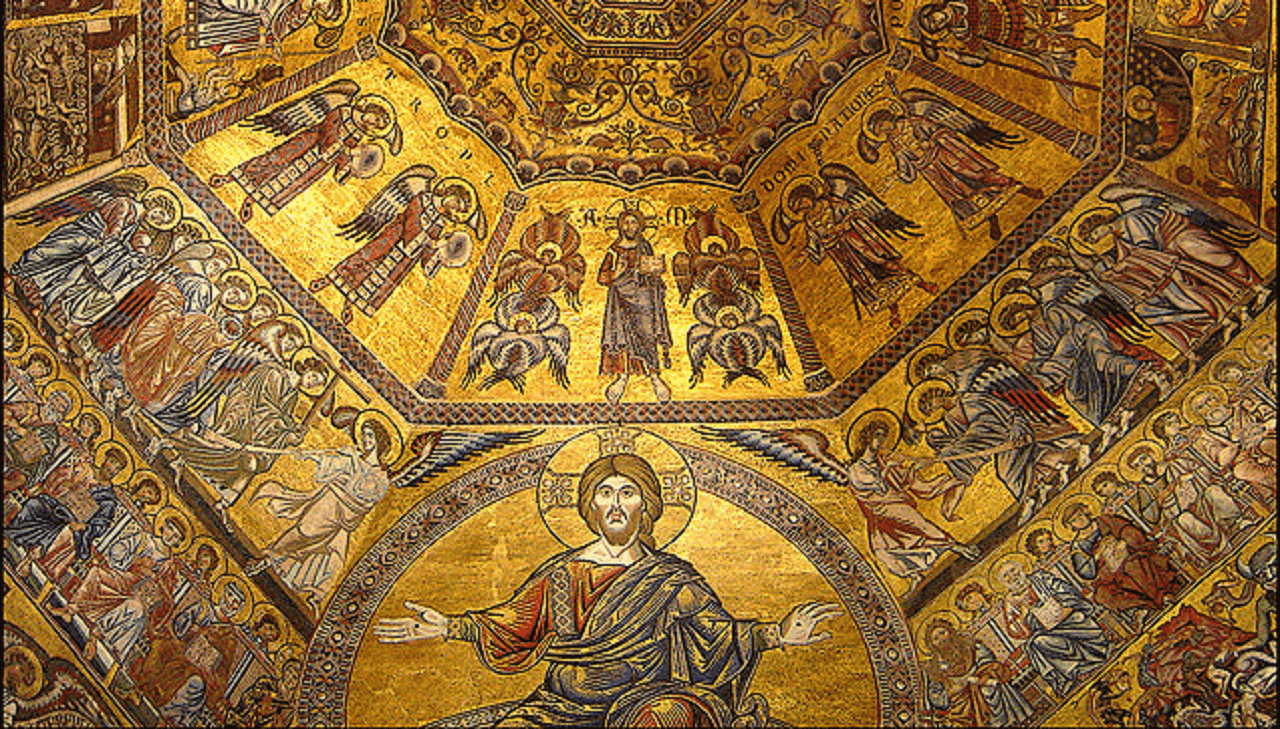
What are the Seraphim, and was the devil one of them?
Posted by Luke J. Wilson on 23rd April 2020 in Angels | devil,satan,angels,seraphim,heaven
Have you ever wondered about what the devil is — or was, pre-Fall? You’ve probably been told that he used to be an angel with God, so then why is he often described as a snake, serpent or dragon?
Though there isn’t a great deal given away in Scripture as to the nature of angels, or the heavenly realms in general, we get some glimpses from the visions of the prophets. But what we can also look at is the words which the Bible uses; some of which aren’t translated and so lose their original meaning in English.
The Seraphim
The word “seraphim” is a transliteration of a Hebrew word, rather than a translation, so in English we often will miss the me...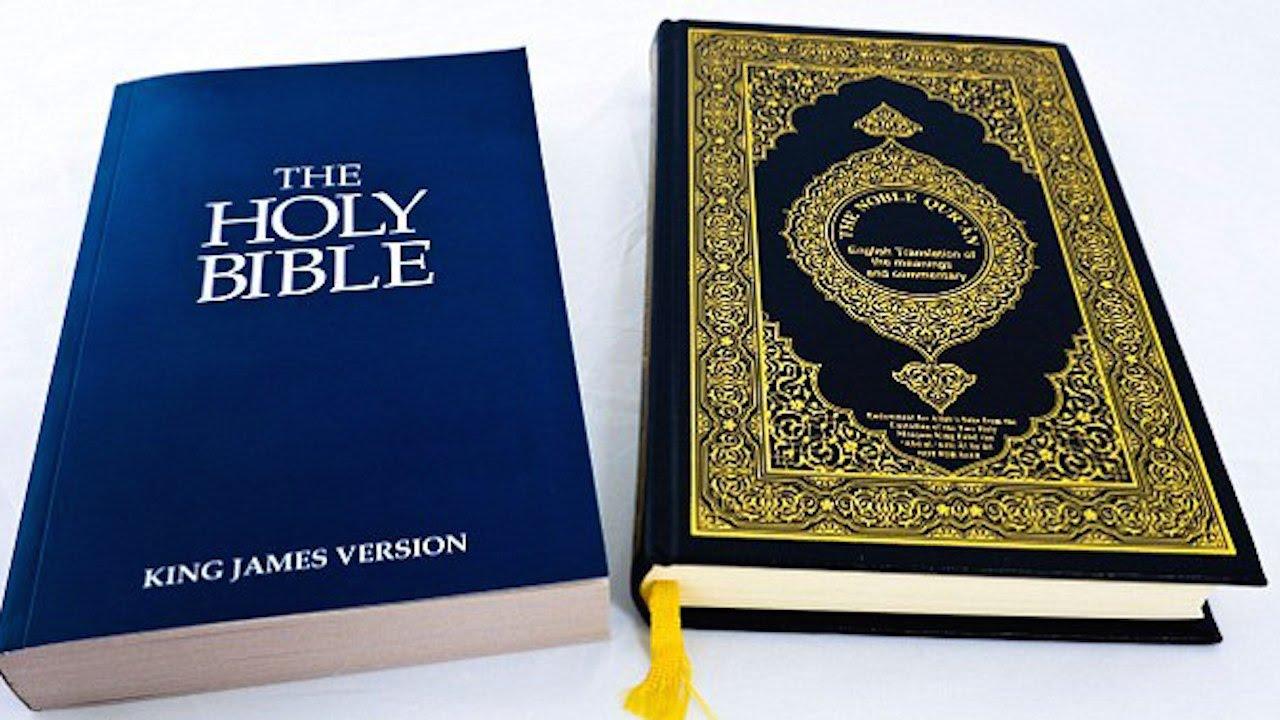
26 Differences Between Muhammad and Jesus
Posted by Luke J. Wilson on 17th October 2022 in Islam | Islam,Christianity,Jesus vs Muhammad,Islam vs Christianity,John of Damascus,church fathers,church history,religion
If you’ve ever spent any time online, either in random Facebook comment threads or reading the news, I’m sure you’ve come across the claim that Islam and Christianity are basically the same and that “we all worship the same God”, getting lumped together as an “Abrahamic religion” along with Judaism.
Muslims claim Islam “is the completed final version of the previous messages originally revealed to Moses and Jesus” which came to “correct the deviations of Christianity”, which had apparently become corrupt by the seventh century when Muhammad came along.
But for something which is meant to come from the same God at its core, it would sugges...
The Coming of Jesus: The Olivet Discourse – Part 1
Posted by Luke J. Wilson on 19th October 2014 in Second Coming Series | Second Coming,Return of Christ,Return of Jesus,Preterism,Prophecy,Last Days,Left Behind,Eschatology,Matthew 24,Olivet Discourse,birth pangs,Josephus,history
Hello again, it's been a while since I've wrote anything, and longer since getting back to this series on the Second Coming of Jesus. This isn't for lack of motivation, but rather because this is such a huge topic that I've been reading and thinking about this next part for a very long time to make sure I know what I'm saying, and am well read enough to do the topic justice. Having said that, there will always be far more to say on this than I can give time for here, but I hope to give enough of an overview to expound this prophecy faithfully without being too technical as to cause confusion! You can also catch up on the previous parts...
Powered by WebBoss.io 3.7.1
Copyright © 2026 The Sacred Faith: Timeless Truths for Modern Minds. All Rights Reserved.
