
Blog Search Results


93 results for book
found
within the Blog
6 displayed out of 93 (0.04seconds)Page 12 of 16

Creedal Christians: The Apostle's Creed
Posted by Luke J. Wilson on 11th October 2018 in Early Church | creedal christians,creeds,creedal,apostles,apostolic creed,apostolic tradition,rule of faith,early church fathers,early church
The Apostle's creed — what is it and why is it called that?
Outside of the New Testament, this is one of the oldest creeds we have, dating back to the sixth – eighth century in its current form that is commonly known today, but having its origins much earlier — as far back as the second century in a shorter form known simply as the “Old Roman Creed”.
The Apostles creed is also sometimes referred to as the “Rule of Faith” as it is a summary of the Gospel and is the basis for pretty much all modern theology. The points of the creed cover all the major pillars of the Christian faith which aims to safeguard what is true orthodoxy (right belief), whic...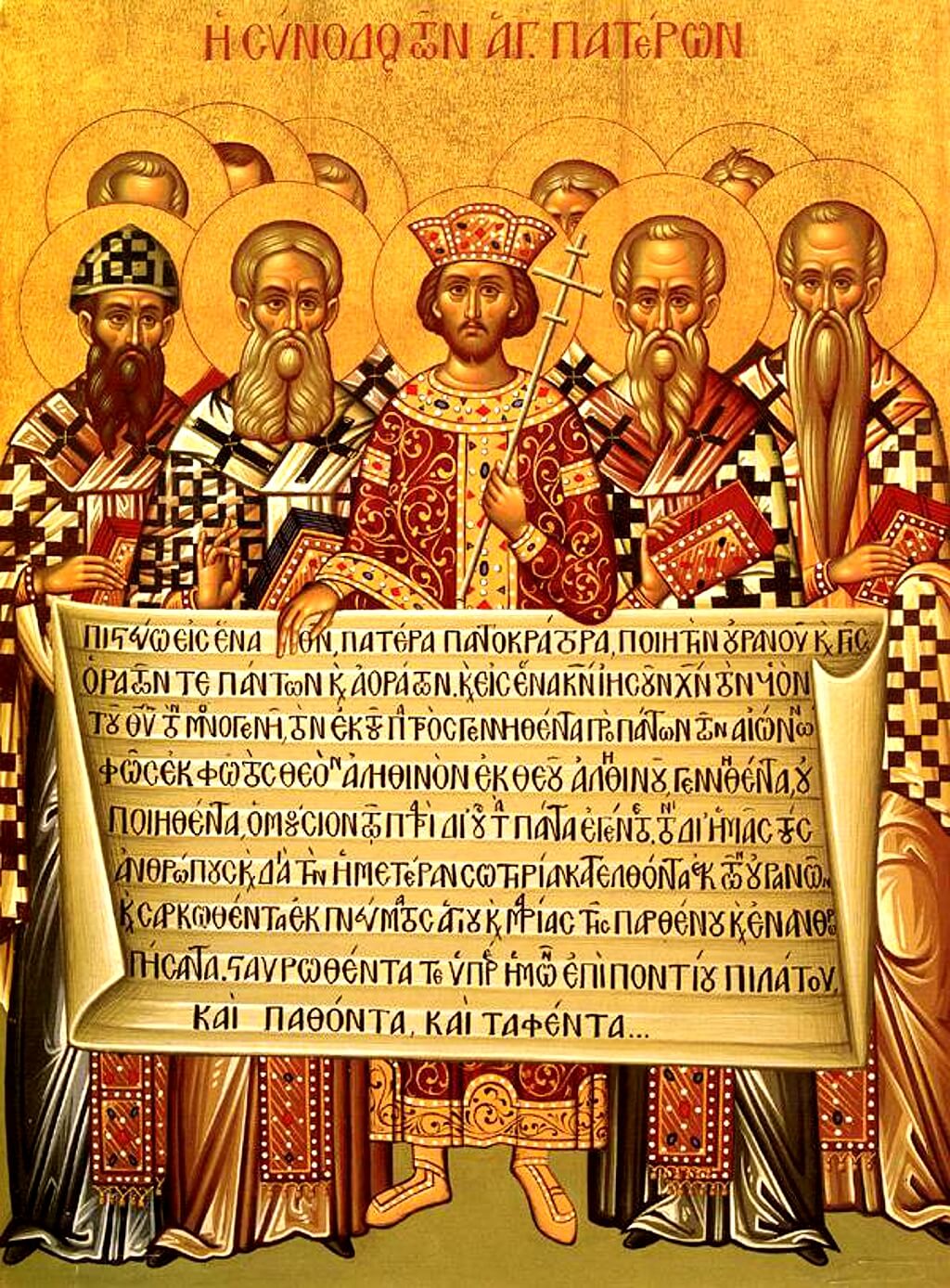
Creedal Christians: The Nicene Creed
Posted by Luke J. Wilson on 2nd June 2019 in Early Church | nicene creed,nicea council,creeds,creedal christians,creedal
...Dan Brown book, The Da Vinci Code.
The Reason for the Creed
First of all, then, in the presence of our most religious Sovereign Constantine, investigation was made of matters concerning the impiety and transgression of Arius and his adherents; and it was unanimously decreed that he and his impious opinion should be anathematized, together with the blasphemous words and speculations in which he indulged, blaspheming the Son of God, and saying that he is from things that are not, and that before he was begotten he was not, and that there was a time when he was not, and that the Son of God is by his free will capable of vice and virtue; saying also that he is...
Lent: Day 2 - Mathetes to Diognetus, pt. 1
Posted by Luke J. Wilson on 3rd March 2017 in Lent | Lent,great lent,fasting,early church fathers,devotional,daily reading,epistle of mathetes to diognetus
...in other books, so it's a new one for me. This section today was particularly interesting as the author was contrasting the faith and practices of Christians against Greek worship and that of the Jews too. What I do find odd is how in this book (and others I've read) Jewish beliefs are often called “Jewish superstitions” which the writer relates to meaning much of the traditional practices of the Jews we'd recognise from the Old Testament. Maybe superstition meant something else back then than it does today?
This reading then finishes with a description of how Christians live and intermingle with society, yet are distinct from the world around them. I foun...
Former Muslim Explains the Trinity
Posted by Luke J. Wilson on 9th February 2018 in Trinity | muslim,former muslim,trinity,apologetics,Nabeel Qureshi,modalism,heresy
...I saw this video doing the rounds on Facebook, and thought it was too good not to share here as well.
Very few people tend to articulate the Trinitarian doctrine well enough to: a) still make sense, and b) not slip into heresy. Just reading the comments section on this video proves point b) quick enough, with many people giving their take on it (and usually espousing some form of Modalism).
I won't make a big post on the Trinity now, but I may do one soon off the back of this one, as it's clearly still something believers (and non-believers) struggle to understand, or explain without heresy!
For now though, sit back and take about 5 minutes to listen to this...
Christians and the Coronavirus (COVID-19)
Posted by Luke J. Wilson on 20th March 2020 in Coronavirus |
...ts on Facebook and Twitter, I do see a recurring verse getting shared by some people in light of the current situation:
2 Chronicles 7:13–14When I shut up the heavens so that there is no rain, or command the locust to devour the land, or send pestilence among my people, if my people who are called by my name humble themselves, pray, seek my face, and turn from their wicked ways, then I will hear from heaven, and will forgive their sin and heal their land.
How relevant this is to the coronavirus, I can’t say, but it is surely a principle of Scripture that mass repentance and prayer leads to change and healing from God, so even if we are isolated, sick or fe...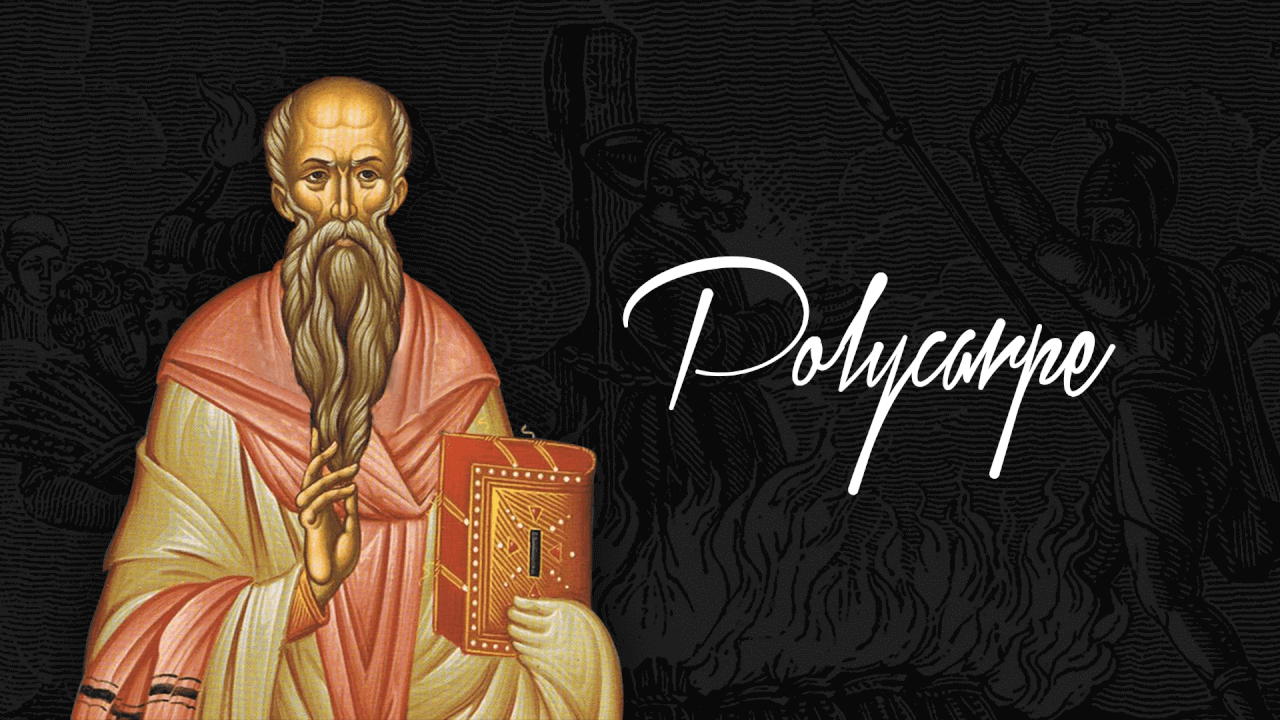
How Polycarp (And Others) Show The Early Use Of The New Testament
Posted by Luke J. Wilson on 21st November 2021 in Early Church | early church,early church fathers,polycarp,new testament,canon,biblical canon
...of the 27 books of the New Testament quoted or alluded to multiple times in this one letter alone! That is a pretty amazing testimony to the early acceptance of these books, and also to dating of when these were available to the wider Christian community. Polycarp does also quote a few other texts, such as Isiah, Psalms, Tobit and one of Ignatius’ letters.
Earlier New Testament Witnesses
While Polycarp is a very good witness to the New Testament canon, we can also go back even earlier to find quotes and usage of the various New Testament texts that show us just how quickly these writings were accepted and distributed.
The letters of Ignatius, dated to have...
Powered by WebBoss.io 3.7.1
Copyright © 2026 The Sacred Faith: Timeless Truths for Modern Minds. All Rights Reserved.
