
Blog Search Results


93 results for my book
found
within the Blog
6 displayed out of 93 (0.15seconds)Page 12 of 16

Creedal Christians: The Apostle's Creed
Posted by Luke J. Wilson on 11th October 2018 in Early Church | creedal christians,creeds,creedal,apostles,apostolic creed,apostolic tradition,rule of faith,early church fathers,early church
The Apostle's creed — what is it and why is it called that?
Outside of the New Testament, this is one of the oldest creeds we have, dating back to the sixth – eighth century in its current form that is commonly known today, but having its origins much earlier — as far back as the second century in a shorter form known simply as the “Old Roman Creed”.
The Apostles creed is also sometimes referred to as the “Rule of Faith” as it is a summary of the Gospel and is the basis for pretty much all modern theology. The points of the creed cover all the major pillars of the Christian faith which aims to safeguard what is true orthodoxy (right belief), whic...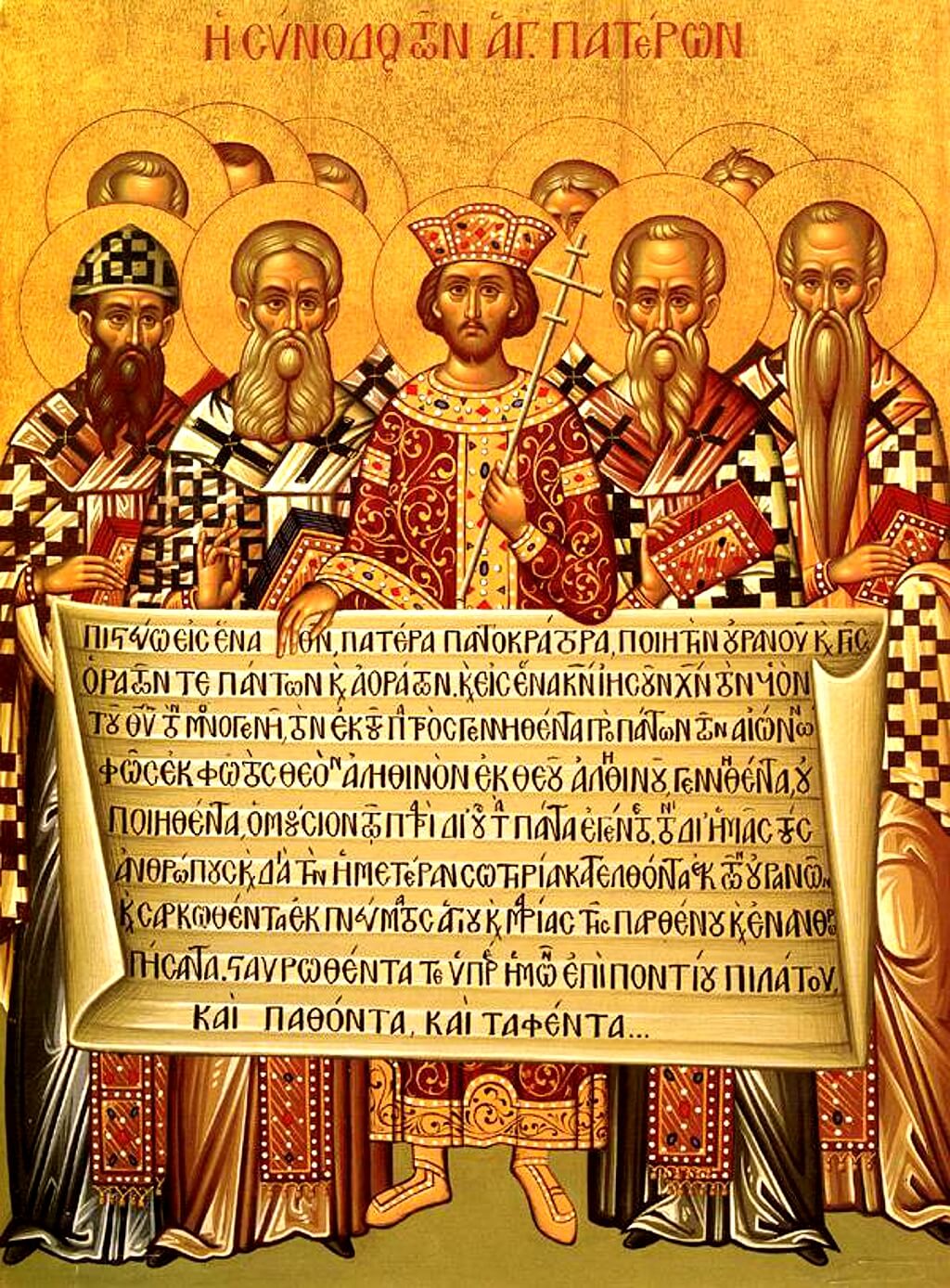
Creedal Christians: The Nicene Creed
Posted by Luke J. Wilson on 2nd June 2019 in Early Church | nicene creed,nicea council,creeds,creedal christians,creedal
The Nicene Creed — what is it and why is it called that?
This creed gets its name from a time and place: the first ecumenical Church council held at Nicaea, which is now known as İznik in northwestern Turkey, in 325 AD.
Now that may raise another question for you: what is an ecumenical council? Well, to explain more about the Nicene Creed, we are going to have to take a look at The First Council of Nicaea in order to better understand why this creed was written.
First things first though; an “ecumenical council” is ideally a Church-wide meeting where all the Bishops from all across the Church come together to hold a very large and very important meetin...
Lent: Day 2 - Mathetes to Diognetus, pt. 1
Posted by Luke J. Wilson on 3rd March 2017 in Lent | Lent,great lent,fasting,early church fathers,devotional,daily reading,epistle of mathetes to diognetus
Day two: Epistle of Mathetes to Diognetus: Chaps. 1-6
Who: Anonymous author, “mathetes” is not a name, but is the Greek word for “a disciple”
What: possibly one of the earliest examples of a Christian apologetic defending the faith from its accusers, written to someone interested in learning more about the faith and its customs
Why: The Christian faith was under attack and ridicule in the early centuries, many things about the Church were misunderstood and so various Christians took to writing apologetic's (defences) to clarify doctrines and beliefs from being maligned.
When: Estimated between AD 130 and late 2nd century
I've only ever come acros...
Former Muslim Explains the Trinity
Posted by Luke J. Wilson on 9th February 2018 in Trinity | muslim,former muslim,trinity,apologetics,Nabeel Qureshi,modalism,heresy
I saw this video doing the rounds on Facebook, and thought it was too good not to share here as well.
Very few people tend to articulate the Trinitarian doctrine well enough to: a) still make sense, and b) not slip into heresy. Just reading the comments section on this video proves point b) quick enough, with many people giving their take on it (and usually espousing some form of Modalism).
I won't make a big post on the Trinity now, but I may do one soon off the back of this one, as it's clearly still something believers (and non-believers) struggle to understand, or explain without heresy!
For now though, sit back and take about 5 minutes to listen to this...
Christians and the Coronavirus (COVID-19)
Posted by Luke J. Wilson on 20th March 2020 in Coronavirus |
We currently live in troubled times lately with a lot of uncertainty around us, both locally and globally. But even now as I write this and think on the topic of the virus, one verse in particular springs to mind:
Psalm 23:4Even though I walk through the valley of the shadow of deathI fear no evil;for you are with me;your rod and your staff — they comfort me.
It does feel a little bit like we are all walking through “the valley of the shadow of death” at the moment! But as the Psalmist says, “I fear no evil” for God is with us and comforts us. That doesn’t necessarily mean we won’t get sick (or die), but that no matter what is happening aroun...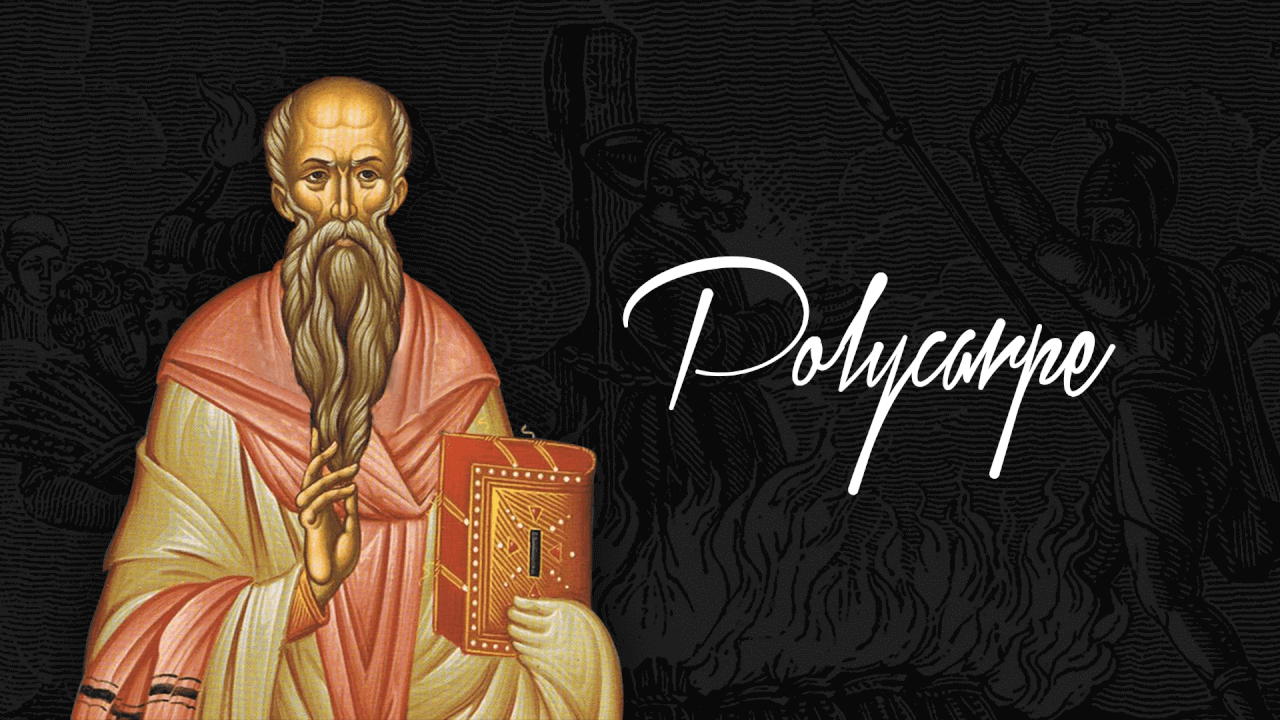
How Polycarp (And Others) Show The Early Use Of The New Testament
Posted by Luke J. Wilson on 21st November 2021 in Early Church | early church,early church fathers,polycarp,new testament,canon,biblical canon
Polycarp is one of the most important people in early church history. He was a disciple of John the Evangelist, and later became the bishop of Smyrna.
Polycarp was born around 69 A.D. in Smyrna, which is now modern-day Turkey. He grew up during a time when Christians were being persecuted for their beliefs, and he himself became a Christian at a young age. Polycarp is regarded as one of the earliest church fathers because he had a significant impact on Christianity as it spread throughout Asia Minor and Europe, and he also played an important role in shaping biblical canon for centuries to come.
We don’t know a great deal about his life, apart from t...
Powered by WebBoss.io 3.7.1
Copyright © 2026 The Sacred Faith: Timeless Truths for Modern Minds. All Rights Reserved.
