
Blog Search Results


210 results for early church
found
within the Blog
6 displayed out of 210 (0.37seconds)Page 13 of 35

The Eighth Day
Posted by Luke J. Wilson on 26th October 2016 in Eschatology | eighth day,early church,new creation,baptism,resurrection,eschatology,sabbath,Lord's Day,Festival of Booths
...nt in the early church, and not so much as a symbolic act of faith, and definitely not an optional choice if you wanted to be part of the Body of Christ!
The waters of baptism is where we see the new creation really taking place; this is where we become “in Christ” and are raised new in our spiritually resurrected bodies.
Colossians 2:12
When you were buried with him in baptism, you were also raised with him through faith in the power of God, who raised him from the dead.
Colossians 3:1
So if you have been raised with Christ, seek the things that are above, where Christ is, seated at the right hand of God.
Ephesians 2:5-6
…[God,] even when...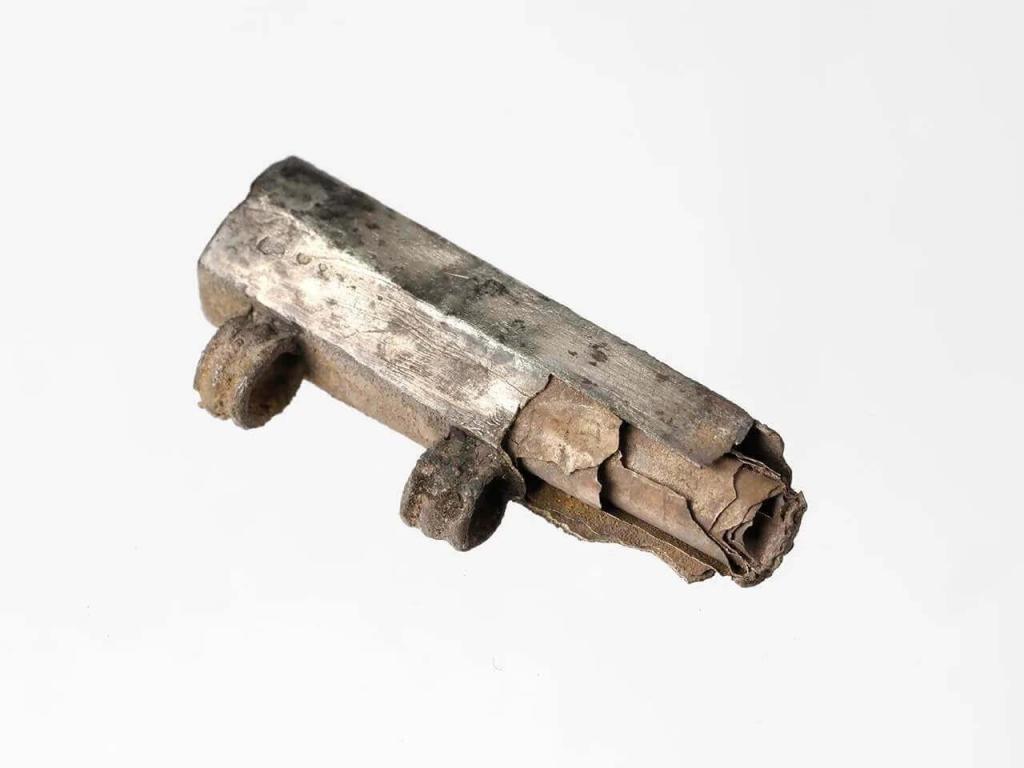
Ancient Amulet Rewrites History Of Christianity In Europe
Posted by Luke J. Wilson on 18th December 2024 in Archaeology | archaeology,amulet,discovery,current events,protection amulet
...New discovery proclaims Jesus as “Son of God” a century earlier than previously thought.
An exciting archaeological discovery has recently come to light: researchers have unearthed an 1800-year-old silver amulet in Frankfurt, Germany. This amulet provides the earliest known evidence of Christianity north of the Alps and disrupts previously held ideas about the spread of the faith, namely that Christianity didn’t get to the German region around the fourth century.
The amulet, dating from approximately 230 to 270 AD, was found in 2018 beneath the chin of a man’s skeleton during excavations at a Roman burial site near the former town of Nida, now part o...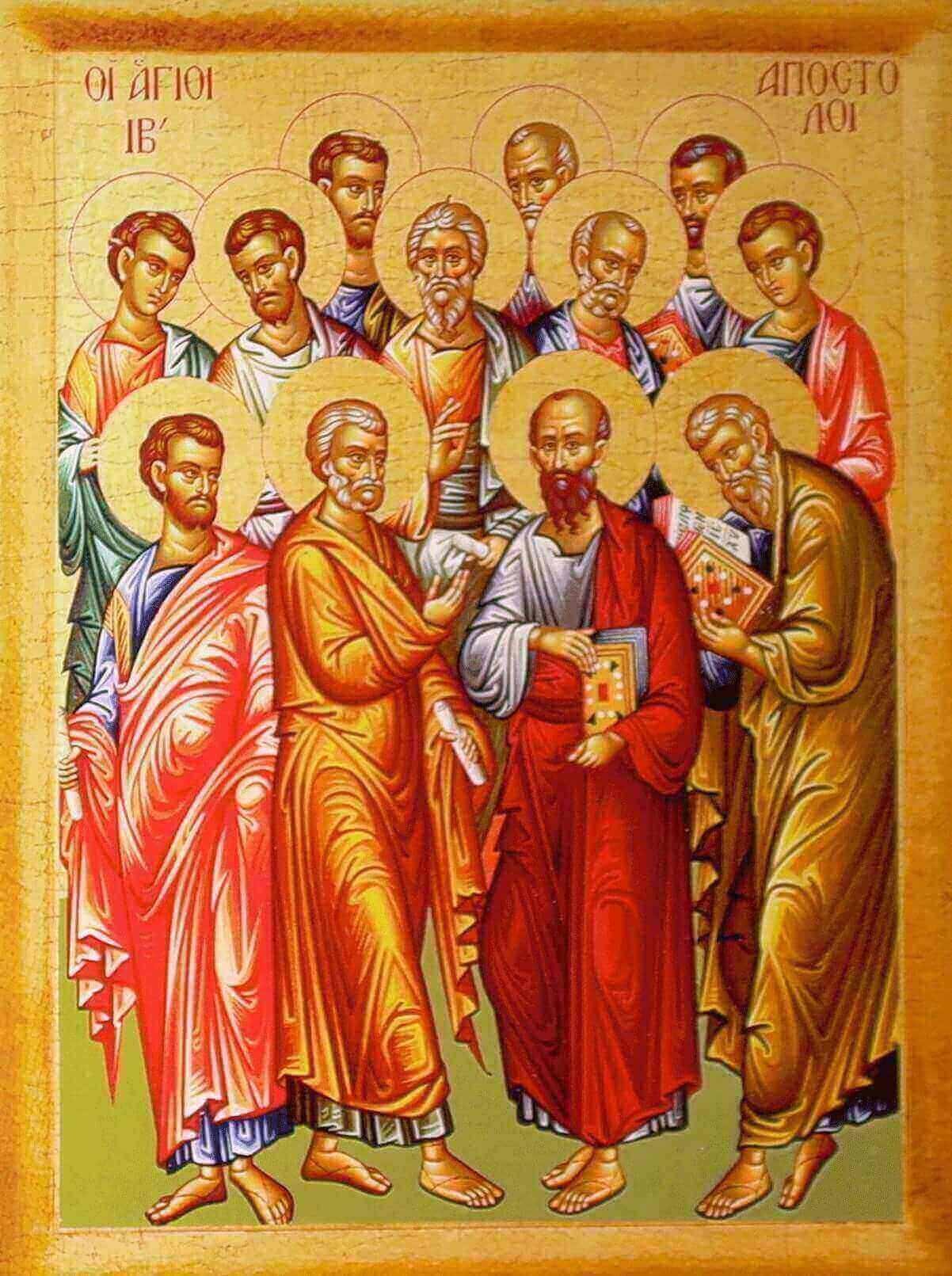
How many apostles are there in the New Testament?
Posted by Luke J. Wilson on 22nd May 2018 in Gifts of the Spirit | apostles,five fold ministry,gifts of the Spirit,Greek
...Often in any discussion on the gifts of the Spirit and whether they are still active today (Cessationism vs Continuationism), the topic of Apostles comes up and whether the gift/office is still active today in the church. Detractors of the Continuationist position will often quip that ‘if there were modern-day apostles, they would be world famous!’ – though I’m not sure why. Even the original Twelve weren’t “world famous” in the sense that they mean. But I digress. This isn't a question of practice, or opinion, but to examine the Scriptures to see what they say about the gift.
Scripture gives us an indication that this gift, or role, wasn’t jus...
Lent Day 30: Cyril of Jerusalem: Catechetical Lectures: Lecture XIX
Posted by Luke J. Wilson on 4th April 2017 in Lent | Lent,great lent,fasting,early church fathers,devotional,daily reading,Doctor of the church,lectures,liturgy,catechism,Bishop of Jerusalem
...Day Thirty: St. Cyril of Jerusalem: Catechetical Lectures: Lecture XIX
Who: Bishop of Jerusalem and Doctor of the church, born about 315; died probably 18 March, 386. Little is known of his life, except from his younger contemporaries, Epiphanius, Jerome, and Rufinus, as well as from the fifth-century historians, Socrates, Sozomen and Theodoret.
What: Each of the lectures deal with a different topic to teach converts the mysteries of the church, particularly: rites of the renunciation of Satan and his works, of anointing with oil, of baptism, of anointing with the holy chrism, and of partaking of the body and blood of Christ.
Why: Cyril delivered to new conve...
Lent Day 40: Leo the Great: Sermon LXXII: ON THE LORD'S RESURRECTION, II
Posted by Luke J. Wilson on 15th April 2017 in Lent | Lent,great lent,fasting,early church fathers,devotional,daily reading,Doctor of the church,lectures,Leo the Great,St Leo,Pope Leo I,sermon,resurrection,easter,easter sunday
...Day Forty: St. Leo the Great: Sermon LXXII: ON THE LORD'S RESURRECTION, II
Who: Leo the Great, also known as Pope St. Leo I (the Great), was Pope from 440-61 AD. Place and date of birth unknown; died 10 November, 461. Leo's pontificate, next to that of St. Gregory I, is the most significant and important in Christian antiquity, as he tried to combat the heresies which seriously threatened church unity even in the West, such as Pelagianism.
What: A sermon on the Gospel, incarnation and resurrection of our Lord.
Why: To encourage the church in the power of the incarnation and the true faith and the nature of Christ and to give a new meaning to Passover in lig...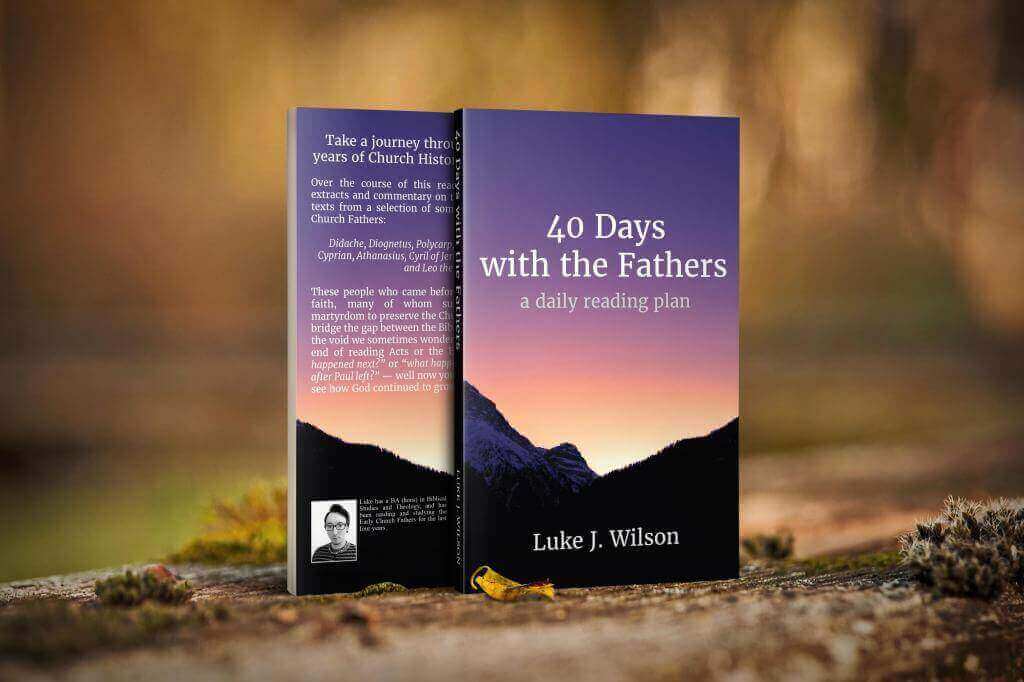
40 Days with the Fathers: Source Texts Companion Book
Posted by Luke J. Wilson on 2nd March 2019 in My Books | church fathers,church history,early church,early church fathers,companion book,40 days,Lent
...Available soon will be a companion book that will include all of the source texts in full, which I had hoped to get out in time for Lent, but it’s unlikely to be ready in time this year. So if you have my book and would like to read along each day with the church Fathers as well, I’ve compiled a list of online sources where you can read the original texts.
If you don’t have the book and would like it, you can order it now from Amazon and still get it in time for Lent by clicking the following link: Amazon.com; or if you would like to pledge some support towards my book writing in return for some nice perks, you can do so on my Patreon page: https://patreo...
Powered by WebBoss.io 3.7.1
Copyright © 2026 The Sacred Faith: Timeless Truths for Modern Minds. All Rights Reserved.
