
Blog Search Results


171 results for good people
found
within the Blog
6 displayed out of 171 (0.31seconds)Page 13 of 29
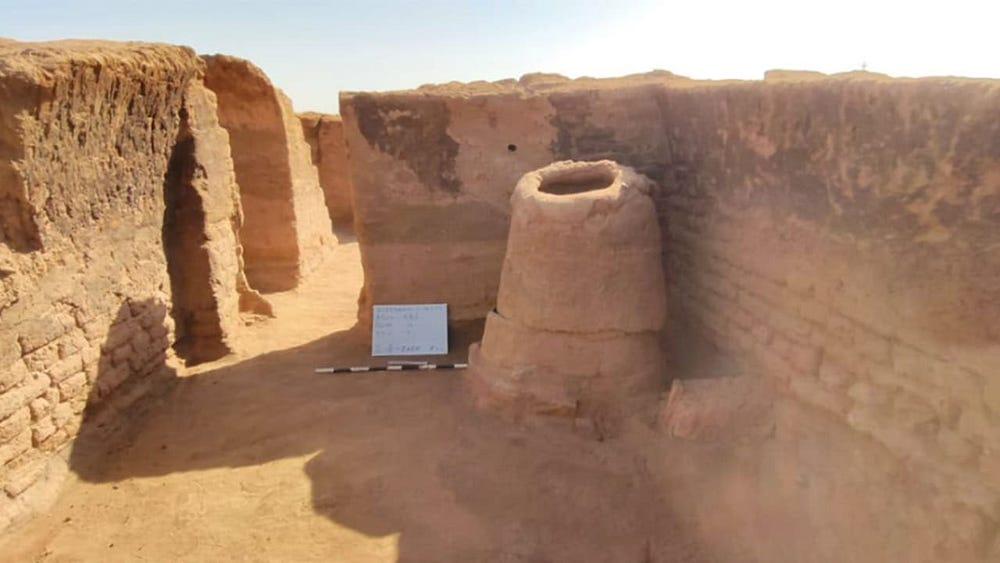
A City In The Sand: What A Fourth-Century Discovery In Egypt’s Western Desert Tells Us About The Early Church
Posted by Luke J. Wilson on 27th July 2026 in Archaeology | archaeology,early church,history
In early July 2026, Egypt’s Ministry of Tourism and Antiquities announced something pretty amazing: an entire Byzantine-era city, buried beneath the sands of the Dakhla Oasis, had been uncovered almost intact! Streets, homes, bread ovens, a fortress, and at its heart, a fourth-century basilica church.
That might not seem very exciting on first glance. But this find deserves a closer look, because it puts flesh on something we usually only encounter in the abstract: what it actually looked like when Christianity took root, house by house, in an ordinary town far from the centres of imperial power.
What Was Found
The excavation, carried out by an Egy...
Lent: Day 14 - Justin Martyr: First Apology, Chaps. 24-35
Posted by Luke J. Wilson on 16th March 2017 in Lent | Lent,great lent,fasting,early church fathers,devotional,daily reading,Justin Martyr,apologetics
Day Fourteen: St. Justin Martyr: First Apology, Chaps. 24-35
Who: Justin Martyr was a Philosopher who converted to Christianity and became a tireless evangelist and apologist. Justin wrote more Christianity than any other person prior to his time. He is classified herein as Eastern, since he a native of Samaria and his thought patterns were Eastern. However, he spent the last years of his life in Rome, where he was executed as a martyr (c. 165).
What: An apologetic (defence) essay to explain what Christians believe and do.
Why: Justin is demanding the Emperor to investigate accusations and unjust persecution against Christians so that they at least may face...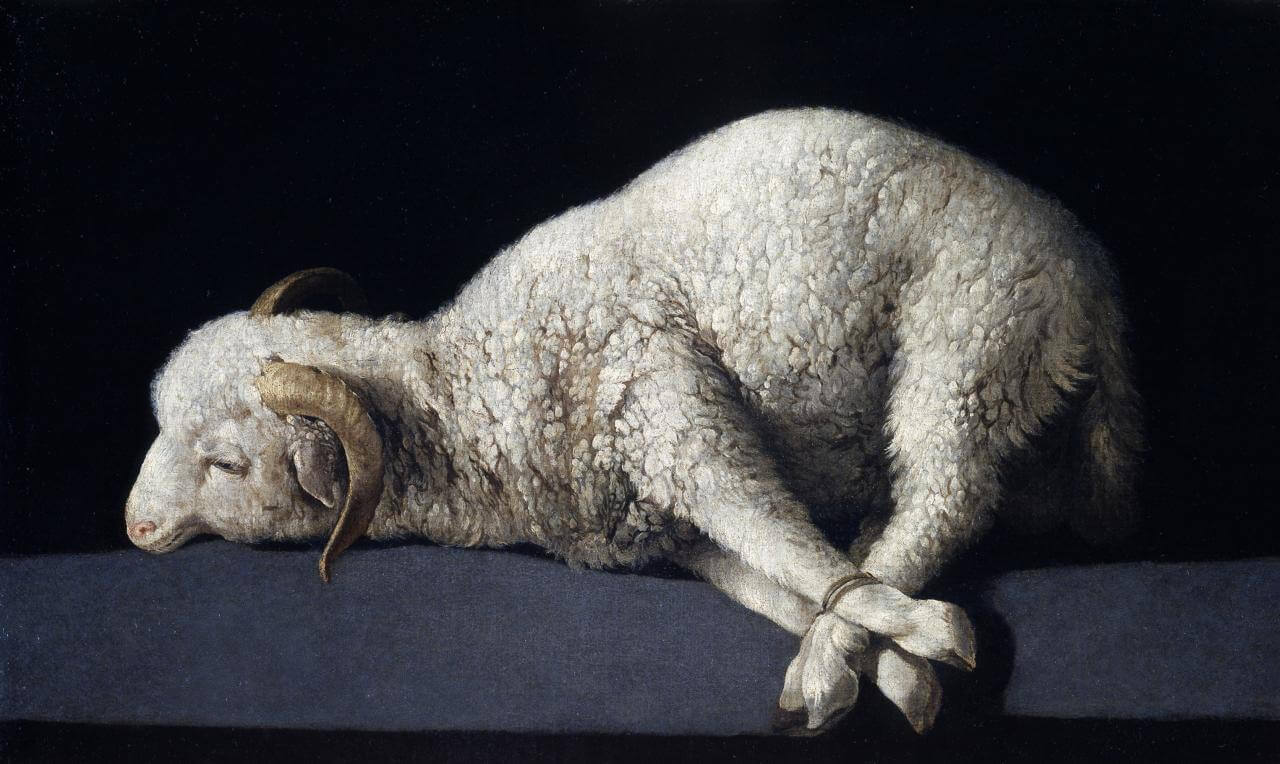
How was Jesus a sacrifice?
Posted by Luke J. Wilson on 25th March 2018 in Lent | sacrifice,sabbath,crucifixion,passover lamb,paschal lamb,sin,death,Palm Sunday
So often we hear this phrase said about Jesus, that he was “the lamb of God” and that he “takes away the sins of the world” — but what do those things mean and how did he take away sin?
John 1:29The next day [John] saw Jesus coming toward him and declared, “Here is the Lamb of God who takes away the sin of the world! (cf. Jn 1:36)
The New Testament writers repeatedly refer to Jesus as a lamb; but not only that — as a ransom too. Jesus even introduces himself that way at one point:
Mark 10:45
For the Son of Man came not to be served but to serve, and to give his life a ransom for many. (cf. Matthew 20:28)
To better understand the termi...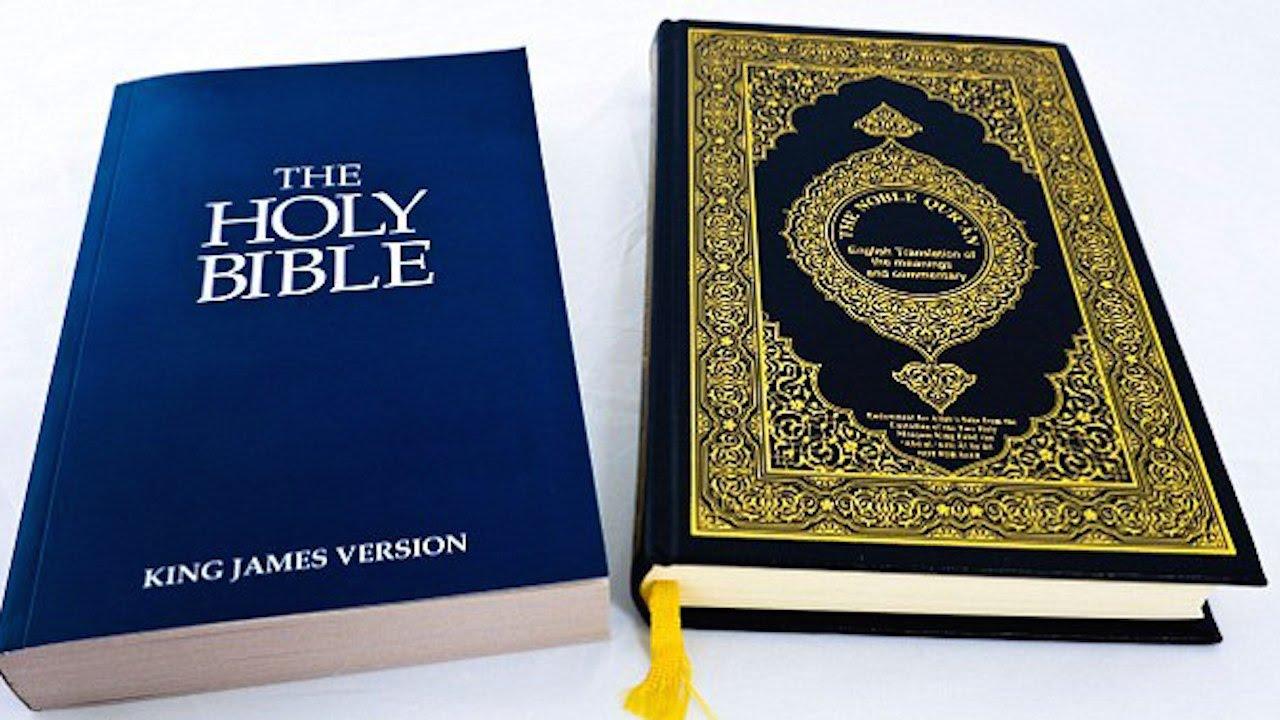
26 Differences Between Muhammad and Jesus
Posted by Luke J. Wilson on 17th October 2022 in Islam | Islam,Christianity,Jesus vs Muhammad,Islam vs Christianity,John of Damascus,church fathers,church history,religion
If you’ve ever spent any time online, either in random Facebook comment threads or reading the news, I’m sure you’ve come across the claim that Islam and Christianity are basically the same and that “we all worship the same God”, getting lumped together as an “Abrahamic religion” along with Judaism.
Muslims claim Islam “is the completed final version of the previous messages originally revealed to Moses and Jesus” which came to “correct the deviations of Christianity”, which had apparently become corrupt by the seventh century when Muhammad came along.
But for something which is meant to come from the same God at its core, it would sugges...
Who was the real Santa Claus?
Posted by Luke J. Wilson on 17th December 2018 in Christmas | christmas,xmas,St Nicholas,early church,Nicea council,father Christmas,santa claus
It's that magical time of year when the lights go up, the trees get decorated and a familiar bearded man in a red suit pops up everywhere.
He goes by a few names: Santa Claus, Father Christmas, and Saint Nick.
But who was the real Santa Claus?
Well, to answer that, we need to go way back in history to the fourth century to a Bishop called Nicholas of Myra (present-day Demre, Turkey).
Memes abound about St Nicholas and Arius
Some early lists place him as one of the Bishops who attended the First Council of Nicaea in 325 AD, and there are some questionable legends which state that he was temporarily defrocked (removal from office) and imprisoned during...
Does Easter Have Pagan Origins?
Posted by Luke J. Wilson on 22nd March 2021 in Easter | Easter,easter sunday,early church,church history,paganism,pagan roots,Ishtar,Eostre,fertility goddess
Much like any major Christian holiday, there are the usual arguments and accusations about how it’s all just pagan festivities with a “Christian mask”. Easter is no different, and usually gets hit the hardest over its so-called “pagan roots”, or in the month or so preceding it, Lent being some “invention of the Catholic Church”.
Table of Contents
The Lenten Fast
The Easter controversy and why we celebrate it when we do
Is the Name “Easter” really the Anglo-Saxon goddess Eostre?
Chocolate eggs and bunnies?
Concluding Thoughts
Further Reading and Sources
I like to try and observe Lent, as it is one of the most ancient custom...
Powered by WebBoss.io 3.7.1
Copyright © 2026 The Sacred Faith: Timeless Truths for Modern Minds. All Rights Reserved.
