
Blog Search Results


211 results for theology
found
within the Blog
6 displayed out of 211 (0.04seconds)Page 13 of 36
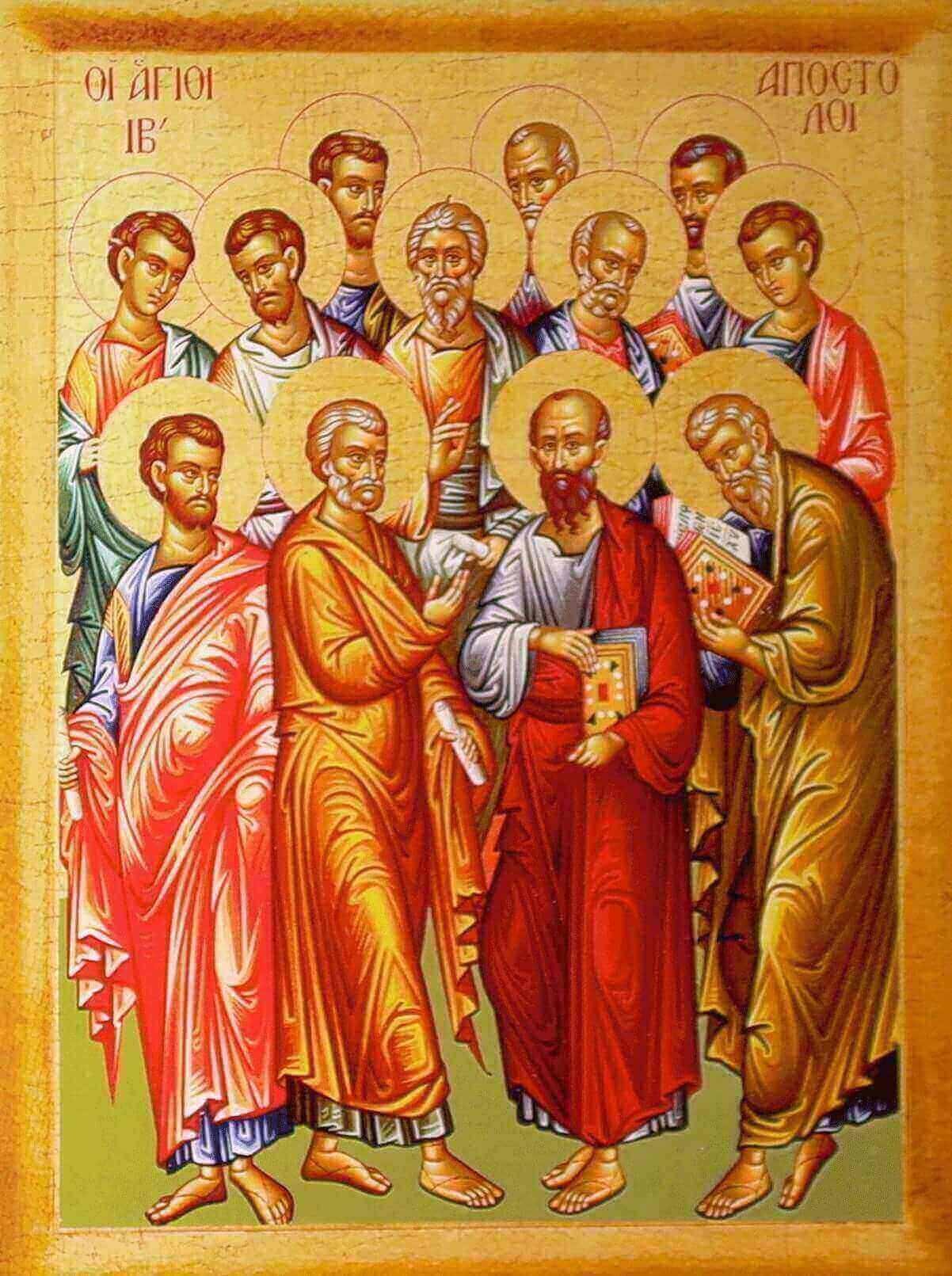
How many apostles are there in the New Testament?
Posted by Luke J. Wilson on 22nd May 2018 in Gifts of the Spirit | apostles,five fold ministry,gifts of the Spirit,Greek
Often in any discussion on the gifts of the Spirit and whether they are still active today (Cessationism vs Continuationism), the topic of Apostles comes up and whether the gift/office is still active today in the Church. Detractors of the Continuationist position will often quip that ‘if there were modern-day apostles, they would be world famous!’ – though I’m not sure why. Even the original Twelve weren’t “world famous” in the sense that they mean. But I digress. This isn't a question of practice, or opinion, but to examine the Scriptures to see what they say about the gift.
Scripture gives us an indication that this gift, or role, wasn’t jus...
Immanuel, God with us
Posted by Luke J. Wilson on 19th December 2016 in Christmas | christmas,xmas,nativity,book,David H. Petersen,author,God With Us,Immanuel,Bethlehem,house of bread,bread of life
I had been thinking about what to write this coming Christmas time, when I came across this quote the other day. I thought it sufficient enough, rather than go into a long theological treatise! So without further ado, here is a quote/excerpt by David H. Petersen, author of God With Us:
“The Savior is born unto you in Bethlehem, the house of bread, on earth. It is no coincidence that He lacked a crib and was placed instead into a feeding trough. He was born unto you to be bread: bread for beasts, bread for wolves, and bread for sheep. He comes in His body to feed you into life, to slake your thirst, to satisfy your soul. He is put into a manger, not only b...
40 Days with the Fathers: Companion Texts OUT NOW!
Posted by Luke J. Wilson on 8th May 2019 in Early Church | early church,early church fathers,book,40 days,my book
40 Days with the Fathers: Companion Texts is now available to buy as Paperback or Kindle!
I am happy to say that the new book is now available in paperback and Kindle format on Amazon! Other eBook formats will be available soon as it rolls out.
This book is the companion to my other book (40 Days with the Fathers: A Daily Reading Plan), and includes twenty-three Early Church texts in full—including all additional footnotes from the original editors and translators so that you can get as close as possible to reading these ancient texts without needing to know ancient Greek or Latin.
It's structured in such a way to read a chapter a day over a 40 day period...
Fasting: A spiritual and physical discipline
Posted by Luke J. Wilson on 27th May 2019 in Fasting | fasting,didache,discipline,self control,Lent,early church,early church fathers
The topic of fasting often comes up in online discussion groups that I'm a part of, more often in Protestant circles where the practice is more often sidelined in low churches. So let's take a look at the practice of fasting from a practical and historical view, as it seems to be a spiritual discipline which has been pushed aside in many churches today, with prayer, worship and bible reading taking more precedence in a Christian's life instead (not that those are bad things to do!).
Why fast?
There are many reasons to fast, and recent studies have shown a lot of health benefits that can be derived from fasting. But on the spiritual side of life, there are also...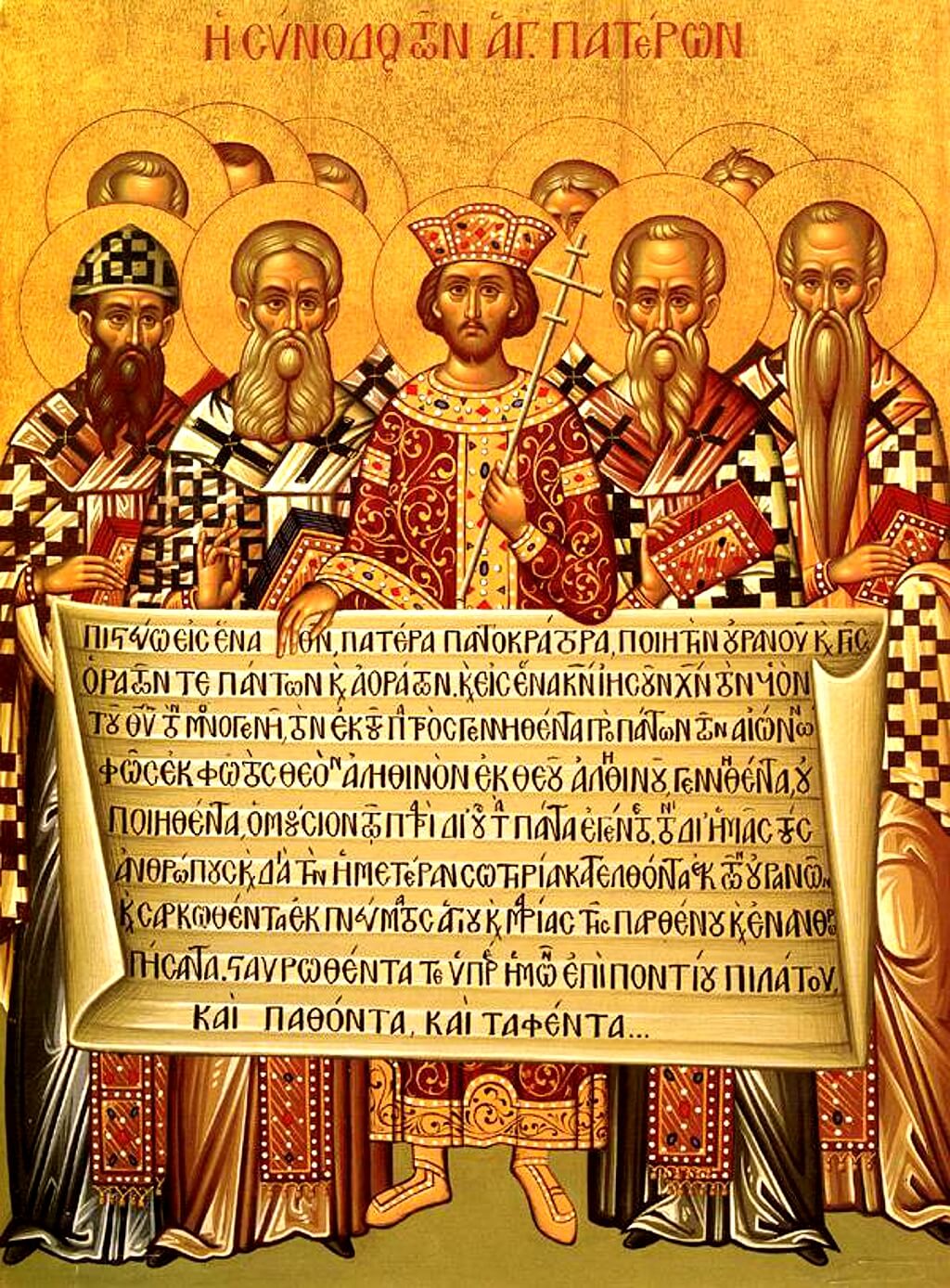
Creedal Christians: The Nicene Creed
Posted by Luke J. Wilson on 2nd June 2019 in Early Church | nicene creed,nicea council,creeds,creedal christians,creedal
The Nicene Creed — what is it and why is it called that?
This creed gets its name from a time and place: the first ecumenical Church council held at Nicaea, which is now known as İznik in northwestern Turkey, in 325 AD.
Now that may raise another question for you: what is an ecumenical council? Well, to explain more about the Nicene Creed, we are going to have to take a look at The First Council of Nicaea in order to better understand why this creed was written.
First things first though; an “ecumenical council” is ideally a Church-wide meeting where all the Bishops from all across the Church come together to hold a very large and very important meetin...
Lent: Day 2 - Mathetes to Diognetus, pt. 1
Posted by Luke J. Wilson on 3rd March 2017 in Lent | Lent,great lent,fasting,early church fathers,devotional,daily reading,epistle of mathetes to diognetus
Day two: Epistle of Mathetes to Diognetus: Chaps. 1-6
Who: Anonymous author, “mathetes” is not a name, but is the Greek word for “a disciple”
What: possibly one of the earliest examples of a Christian apologetic defending the faith from its accusers, written to someone interested in learning more about the faith and its customs
Why: The Christian faith was under attack and ridicule in the early centuries, many things about the Church were misunderstood and so various Christians took to writing apologetic's (defences) to clarify doctrines and beliefs from being maligned.
When: Estimated between AD 130 and late 2nd century
I've only ever come acros...
Powered by WebBoss.io 3.7.1
Copyright © 2026 The Sacred Faith: Timeless Truths for Modern Minds. All Rights Reserved.
