
Blog Search Results


98 results for 1000 years
found
within the Blog
6 displayed out of 98 (0.29seconds)Page 14 of 17

Lent: Intro - 40 Day Reading Plan with the Fathers
Posted by Luke J. Wilson on 1st March 2017 in Lent | Lent,great lent,fasting,early church fathers,devotional,daily reading
This year for Lent I'm following a reading plan which comprises of a collection of extracts from various early church fathers writings. Each day I'm going to write a short overview and any thoughts on the text and link back to the source material so you can also follow along with me too, if you'd like. The overview of each day will probably be posted on the day after. The reading should only take 10-15 minutes of your time, and by day 40, you will have read ten different Fathers:
Didache, Diognetus, Polycarp, Ignatius, Justin Martyr, Cyprian, Athanasius, Cyril of Jerusalem, Ambrose of Milan, and Leo the Great.
I'll be reading from the “Church Fathers Lenten...
Lent: Day 9 - Ignatius to the Philadelphians
Posted by Luke J. Wilson on 10th March 2017 in Lent | Lent,great lent,fasting,early church fathers,devotional,daily reading,Ignatius,Ignatius of Antioch: Letter to the Philadelphians,Law,Judaizers,judaism
Day Nine: St. Ignatius of Antioch: Letter to the Philadelphians (full text)
Who: Ignatius converted at a young age and later became Bishop of Antioch. A friend of Polycarp and fellow disciple of John, there is a long standing tradition that Ignatius was the child that Jesus held in his arms and blessed in Mark 10:13-16
What: As usual, a general call to remain in unity and heed their bishop. Also to avoid listening to Judaizers who would have them follow the Law.
Why: Ignatius wrote a series of letters to the churches in Asia Minor whilst en route to Rome to face martyrdom by wild beasts in the Colosseum around 108 AD.
When: Around 107-108 AD
As with the re...
Is fasting an expectation for Christians?
Posted by Luke J. Wilson on 29th February 2020 in Fasting | fasting,Lent,Ash Wednesday,self control,self denial
The season of Lent is here once again which of course brings up the topic of fasting, since the tradition of Lent comes from following Jesus’ example of his time in the wilderness (Luke 4:1–2). I wasn’t planning on writing anything specific this year like I have previous in previous years, but I felt inspired today at church from one of Gospel readings:
Matthew 9:14–15
Then the disciples of John came to him, saying, “Why do we and the Pharisees fast often, but your disciples do not fast?” And Jesus said to them, “The wedding guests cannot mourn as long as the bridegroom is with them, can they? The days will come when the bridegroom is t...
What does the word "Catholic" mean?
Posted by Luke J. Wilson on 8th March 2021 in Etymology | catholic,church fathers,church history,etymology,roman catholic,eastern orthodox,Great Schism,Muratorian Fragment
For many people today, non-Christians and (low church) Christians alike, when they hear the word “Catholic”, certain images spring to mind: the Pope, the rosery, Catholic school, big old churches buildings, choirboys, maybe monks or statues of Mary even; and sadly more recently, sex abuse scandals.
But, generally speaking, all of these are actually aspects of Roman Catholicism — a particular branch of Christianity, and not what the word “catholic” truly means as we’ll see when examining how the early church used the word and what the original Greek word means.
καθολικός (katholikos)
The Greek word where we get the English word “c...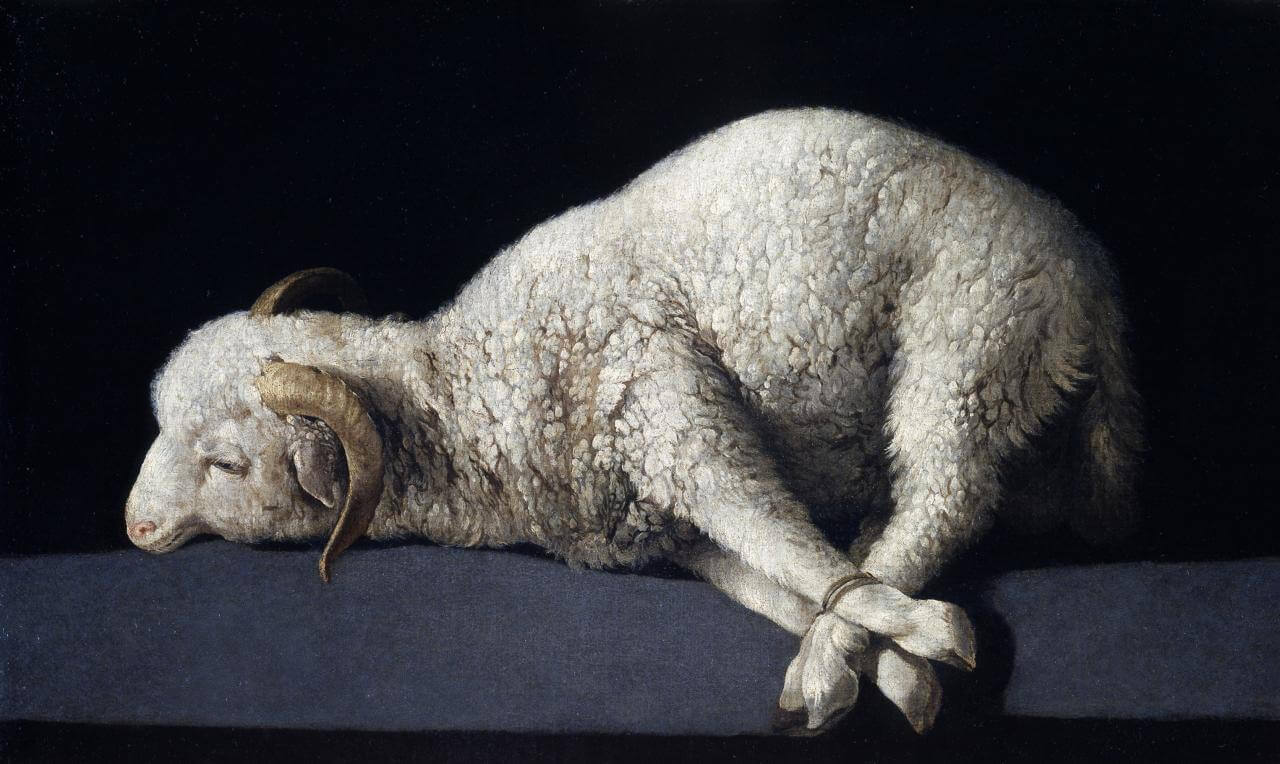
How was Jesus a sacrifice?
Posted by Luke J. Wilson on 25th March 2018 in Lent | sacrifice,sabbath,crucifixion,passover lamb,paschal lamb,sin,death,Palm Sunday
So often we hear this phrase said about Jesus, that he was “the lamb of God” and that he “takes away the sins of the world” — but what do those things mean and how did he take away sin?
John 1:29The next day [John] saw Jesus coming toward him and declared, “Here is the Lamb of God who takes away the sin of the world! (cf. Jn 1:36)
The New Testament writers repeatedly refer to Jesus as a lamb; but not only that — as a ransom too. Jesus even introduces himself that way at one point:
Mark 10:45
For the Son of Man came not to be served but to serve, and to give his life a ransom for many. (cf. Matthew 20:28)
To better understand the termi...
Jesus, Mithras and Ancient Roman Cults: Separating Fact from Fiction
Posted by Luke J. Wilson on 25th April 2023 in Mythology | Jesus,mithras,apologetics,roman gods,atheist
Welcome to the next instalment of my series looking at the ancient mythological gods and how they compare to the life, death and resurrection of Jesus. Mithras is yet another popular ancient god that people like to compare with Jesus and make wild claims about, proposing that they are the same deities with different names. But is this even remotely true?
This article has ended up being a bit longer than anticipated as it’s one of the few ancient religions that was contemporary to the birth of Christianity which was seen as somewhat of a rival belief system, so there’s a lot of interesting things to cover!
The Origins
Mithras has his roots in ancient Persi...
Powered by WebBoss.io 3.7.1
Copyright © 2026 The Sacred Faith: Timeless Truths for Modern Minds. All Rights Reserved.
