
Blog Search Results


140 results for faith
found
within the Blog
6 displayed out of 140 (0.04seconds)Page 14 of 24
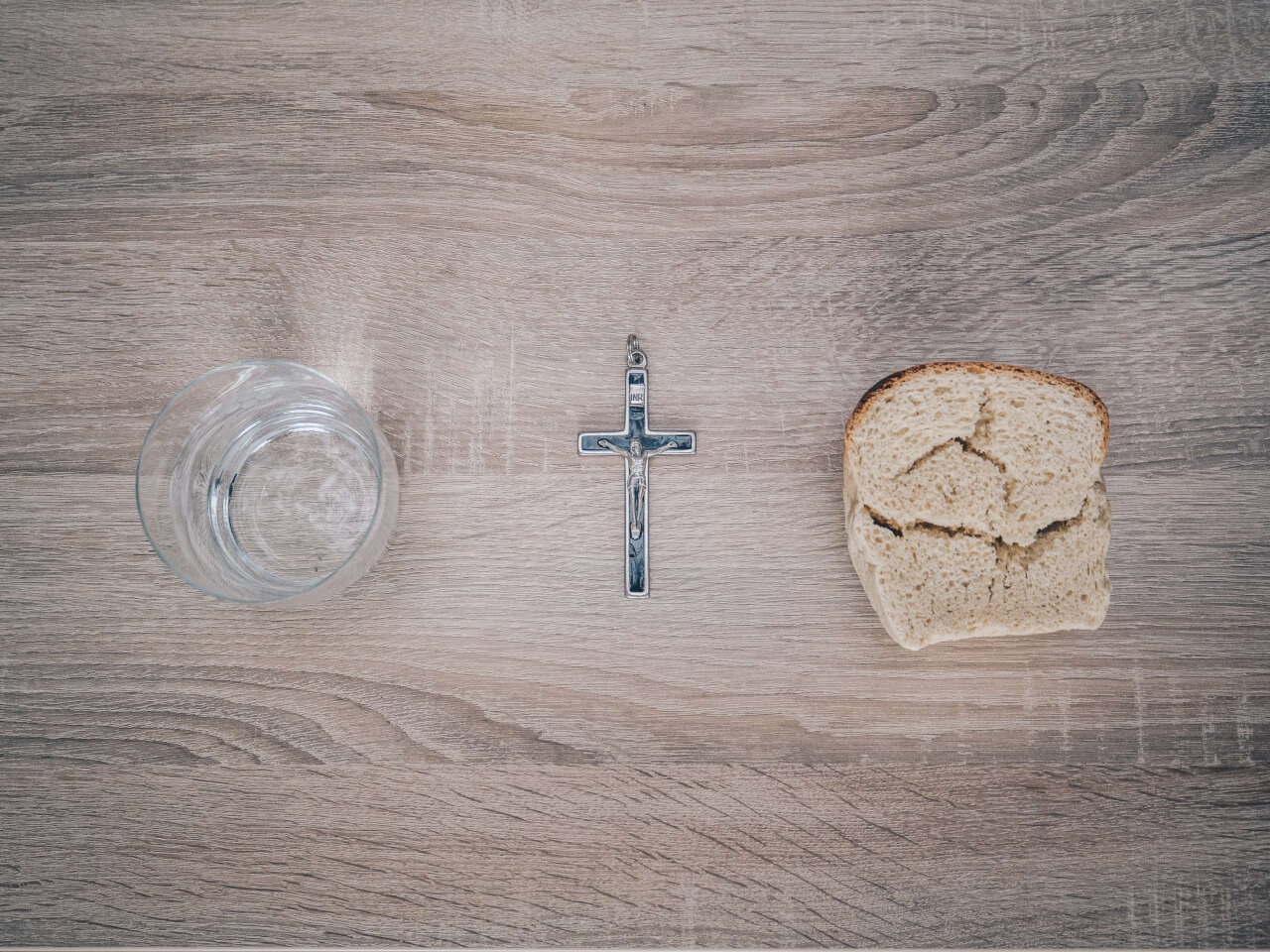
Fasting: A spiritual and physical discipline
Posted by Luke J. Wilson on 27th May 2019 in Fasting | fasting,didache,discipline,self control,Lent,early church,early church fathers
...bout your faith, as it’s fairly unusual for people to hear of these days; just don’t go around advertising it or boasting, that’s all!
Remember what Jesus says in Matthew 6:16-18 – go about your days as normal!
As with the historical tradition: don’t fast on Sundays – this is because it is a day of celebration in remembrance of the resurrection; a “mini-feast day” as it’s known! Also, this is why and how during Lent the forty days “fits” from Ash Wednesday to Easter Saturday, by not counting the Sundays of Lent, otherwise it would be 46 days.
Types of Fasts
There’s a whole variety of different fasts which the Church has observed over...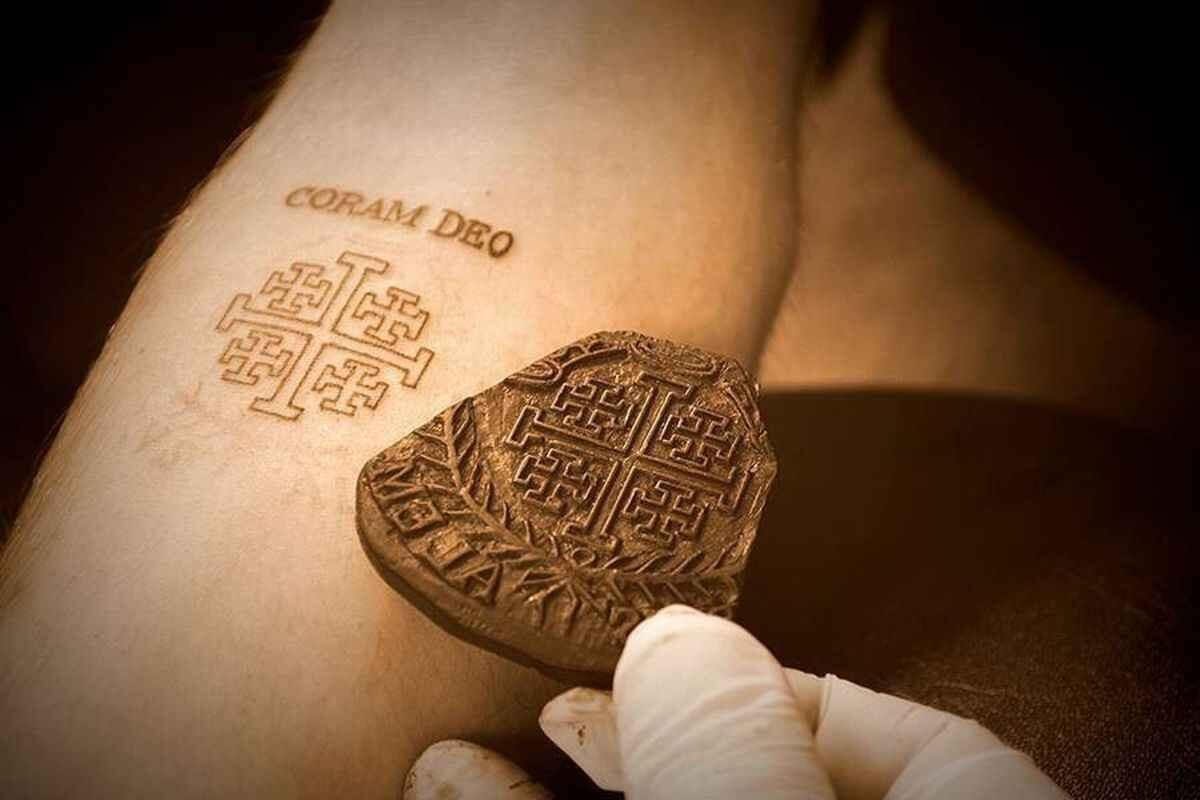
Should Christians get tattoos, and is it Biblical?
Posted by Luke J. Wilson on 31st August 2019 in Tattoos | tattoos,church history,Basil the Great,Leviticus,Old Testament
...I was in a discussion not so long ago about tattoos, and I was asked about the historical view on this practice. It wasn’t something I had looked into before from a Church Fathers point of view, so it was an interesting topic of study. In my searching, I found this article from a Catholic site which seems to give a pretty interesting overview of some of the views about tattoos in the earlier centuries. The following is a quote about a Church Council in the context of native Britons, who still practiced tattooing at that time for pagan ritual, something which Tertullian also gives a fleeting reference to around 213 AD in his On the Veiling of Virgins, ch. 10....
Lent: Day 7 - Ignatius to the Trallians
Posted by Luke J. Wilson on 8th March 2017 in Lent | Lent,great lent,fasting,early church fathers,devotional,daily reading,Ignatius,Ignatius of Antioch: Letter to the Trallians,Docetism
...ne of our faith. Anything less is not the Gospel, and that is what Ignatius was emphasising to this church.
I'm going to close by quoting Ignatius’ “history of Christ” just because I really like the way it summarises the Gospel:
Stop your ears, therefore, when anyone speaks to you at variance with Jesus Christ, who was descended from David, and was also of Mary; who was truly born, and did eat and drink. He was truly persecuted under Pontius Pilate; He was truly crucified, and [truly] died, in the sight of beings in heaven, and on earth, and under the earth. He was also truly raised from the dead, His Father quickening Him, even as after the same manne...
Does Easter Have Pagan Origins?
Posted by Luke J. Wilson on 22nd March 2021 in Easter | Easter,easter sunday,early church,church history,paganism,pagan roots,Ishtar,Eostre,fertility goddess
...on to our faith in Christ and his resurrection as being the fulfilment of the Passover. If you're interested in reading more about how Christ is our Passover lamb and the way he fulfils these things, see my other article How was Jesus a sacrifice?
Have a blessed Easter and know that you are celebrating something thousands of Christians have celebrated before you for nearly two millennia!
Further Reading and Sources
An Etymological Dictionary of the English Language, 2nd ed., s.v. “Easter.” (Walter W. Skeat, 1893).
Easter is Not Pagan - YouTube by Inspiring Philosophy
Quartodecimanism - Wikipedia
Easter, Ishtar and Eostre - History for Athe...
?️ How Do I Become a Christian? A message for Muslims seeking to understand the way of Christ
Posted by Luke J. Wilson on 20th May 2025 in Islam | Islam,islam vs christianity,muslim,Christianity,apologetics
...d through faith in Jesus Christ.
Here is what the Bible says:
✝️ 1. Believe in Jesus
Believe that Jesus is the Son of God, that He died for your sins, and that He rose again.
“If you confess with your lips that Jesus is Lord and believe in your heart that God raised him from the dead, you will be saved.” (Romans 10:9)
? 2. Repent of Your Sins
Turn away from sin and ask God to forgive you. This is called repentance. It means being truly sorry and choosing a new way.
“Repent therefore, and turn to God so that your sins may be wiped out.” (Acts 3:19)
? 3. Be Baptised
Jesus commands His followers to be baptised in water as a sign of...
Will the Real Heretics Please Stand Up (Book Review)
Posted by Luke J. Wilson on 30th January 2019 in Book Review | book review,Francis chan,David Bercot,early church,five stars
...kes their faith seriously.
Buy the book here.
Bonus: Francis Chan's "Letters to the Church"
Letters to the Church
I've also just finished reading this book by Francis Chan before starting Real Heretics. Although it's not dealing with the Early Church aspect of looking at the primitive Church, it still looks at similar questions of how can we get back to a simpler, more pure faith that the Apostles and Jesus began.
It's definitely a challenging book and had struck me right where I needed it to. It's helped verbalise some of the questions and issues I've had for the last few years myself any the current form and format of "church". Though Chan is primari...
Powered by WebBoss.io 3.7.1
Copyright © 2026 The Sacred Faith: Timeless Truths for Modern Minds. All Rights Reserved.
