
Blog Search Results


210 results for church calendar
found
within the Blog
6 displayed out of 210 (0.53seconds)Page 17 of 35

Lent Day 27: Athanasius: Life of Anthony: Chaps. 61-70
Posted by Luke J. Wilson on 31st March 2017 in Lent | Lent,great lent,fasting,early church fathers,devotional,daily reading,Athanasius,Bishop of Alexandria,Confessor,Doctor of the church,Anthony the Great,demons,healing,miracles,heresy,heretics,Arianism,deity of Christ
Day Twenty-seven: St. Athanasius: Life of Anthony: Chaps. 61-70
Who: Bishop of Alexandria; Confessor and Doctor of the church; born c. 296; died 2 May, 373 AD. He was the main defender of orthodoxy in the 4th-century battle against the Arianism heresy. Certain writers received the title “Doctor” on account of the great advantage their doctrine had on the whole church, Athanasius especially for his doctrine on the incarnation.
What: The biography of Anthony the Great’s life, which helped to spread the concept of Christian monasticism, particularly in Western Europe.
Why: From the letter’s own prologue: “The life and conversation of our holy Father...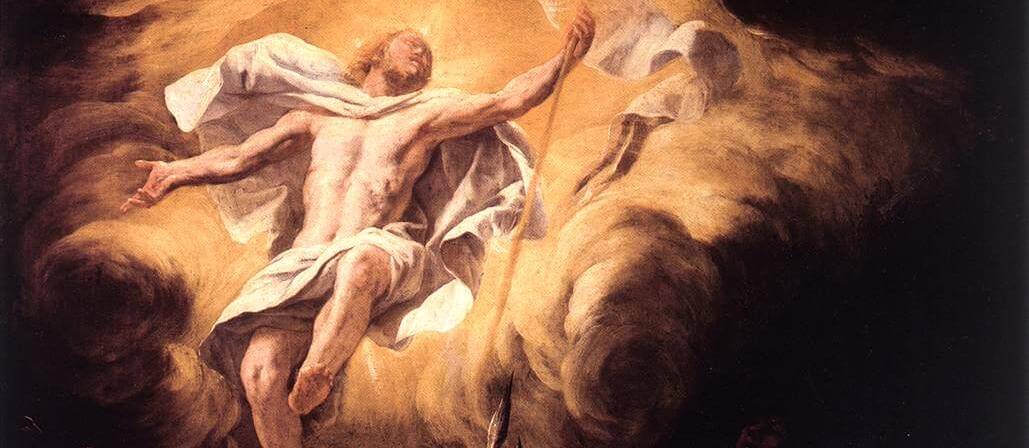
The Resurrection as a historical event
Posted by Luke J. Wilson on 29th April 2017 in Easter | resurrection,easter,apologetics,history,historical
Table of Contents
Jesus was raised bodily – and historically
The resurrection is what makes Christianity unique!
Evidence from Paul
The mystery of the resurrection
The nature of the resurrection
The resurrection is more than physical
What with Easter still ringing in our ears, I thought it would be a good time to revisit the topic of resurrection, but from a historical standpoint and why we can trust it as a real, world-changing event. So, what really is the resurrection? How will we be resurrected, and what does it mean for us that Jesus rose again? Let’s explore what this means for us as Christians, and see what the Scriptures say.
Jesus wa...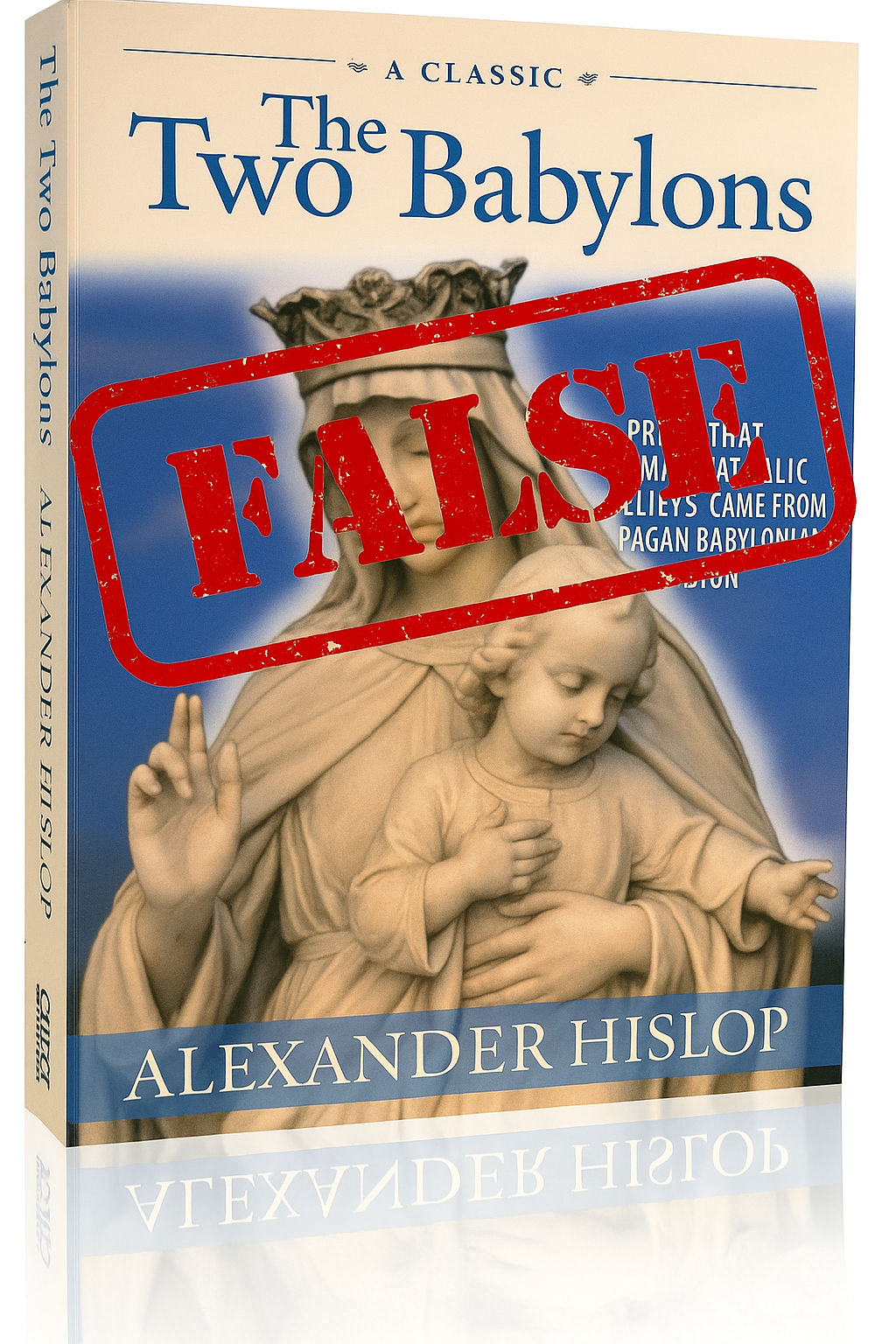
The Two Babylons Exposed: The Book That Misled Millions
Posted by Luke J. Wilson on 21st April 2025 in Easter |
Over the years, I’ve encountered many Christians who’ve quoted from Alexander Hislop’s The Two Babylons as if it were a solid historical resource. The book claims that the Roman Catholic church is not truly Christian but rather a continuation of ancient Babylonian religion. It’s self-assured and sweeping, and for many people, it seems to explain everything, from Marian devotion to Lent and Easter, to Christmas, as rooted in paganism. But is it accurate?
In short: no, it really isn’t.
Hislop’s work is a classic example of 19th-century pseudohistory — a polemical piece, written to prove a point, not to explore any historical truth.
Flawed Meth...
Before The Pumpkins: Faith In The Flames
Posted by Luke J. Wilson on 25th October 2025 in Halloween | polycarp,martyrdom,halloween
Picture the scene: the year is somewhere around 155–160, Polycarp has just been arrested and brought to the city. The crowd roared in the stadium. The smell of sweat and fear mingled with the dust of Smyrna’s arena. And in the centre of it all stood an old man — calm, unflinching, his face marked with years of faith. The Roman proconsul urged him again: “Swear by the fortune of Caesar. Curse Christ, and I will release you.”
Polycarp looked him in the eye and replied with a defiant response that has echoed down the ages,
Eighty and six years I have served Him, and He has done me no wrong. How can I blaspheme my King who saved me?
Those words hav...
40 Days with the Fathers: Companion Texts OUT NOW!
Posted by Luke J. Wilson on 8th May 2019 in Early church | early church,early church fathers,book,40 days,my book
40 Days with the Fathers: Companion Texts is now available to buy as Paperback or Kindle!
I am happy to say that the new book is now available in paperback and Kindle format on Amazon! Other eBook formats will be available soon as it rolls out.
This book is the companion to my other book (40 Days with the Fathers: A Daily Reading Plan), and includes twenty-three Early church texts in full—including all additional footnotes from the original editors and translators so that you can get as close as possible to reading these ancient texts without needing to know ancient Greek or Latin.
It's structured in such a way to read a chapter a day over a 40 day period...
Lent Day 35: Ambrose of Milan: Concerning the Mysteries: 1-4
Posted by Luke J. Wilson on 10th April 2017 in Lent | Lent,great lent,fasting,early church fathers,devotional,daily reading,Doctor of the church,lectures,liturgy,catechism,Eucharist,Bishop of Milan,St Ambrose,mysteries,treatise
Day Thirty-five: St. Ambrose of Milan: Concerning the Mysteries: 1-4
Who: Bishop of Milan from 374 to 397; born probably 340, at Trier, Arles, or Lyons; died 4 April, 397. He was one of the most illustrious Fathers and Doctors of the church.
What: The treatise was composed for use during the latter part of Lent, for the benefit of those about to be baptised, the rites and meaning of that Sacrament, as well as of Confirmation and the Holy Eucharist. For all these matters were treated with the greatest reserve in the Early church, for fear of being misused by unbelievers.
Why: Ambrose states that after the explanations he has already given of holy living (in pr...
Powered by WebBoss.io 3.7.1
Copyright © 2026 The Sacred Faith: Timeless Truths for Modern Minds. All Rights Reserved.
