
Blog Search Results


Did you mean:
christians
?
113 results for Christians
found
within the Blog
6 displayed out of 113 (0.04seconds)Page 18 of 19
So, where are we going?
Posted by Luke J. Wilson on 10th April 2014 in Judgement | judgement, hell, Revelations, Jesus, Great White Throne
On judgement
...there is only the Spiritual realm, ...and to which one either serves God in heaven or resides in hell awaiting Judgment.
Is it as simple as that?
This is an actual quote from someone during an online discussion on the subject, but this is not anything against who ever said it, but rather a response to the prevailing view behind it that people generally seem to adhere to.
The topic of Hell in itself is a rather large subject that is much more complex that you might initially think, and is a topic I intend to cover here soon as a series.
Anyway, back to the subject at hand. A lot of Christians would say that hell is the 'final destin...
Did St. Nicholas Really Slap Arius?
Posted by Luke J. Wilson on 21st November 2023 in Christmas | christmas,arianism,st nicholas,meme
...what some Christians might see as the Church or society being too “soft” nowadays.
Historical Basis
However, historical inaccuracies abound in this narrative. The story lacks credibility, as historical records of the bishops present at the Council of Nicaea do not include St. Nicholas. Hagiographical works written centuries after his death connect him to the Council, with the account of the violent incident appearing over a millennium later, in a 14th-century work by an anonymous writer.
Moreover, medieval versions of the story describe Nicholas slapping, not punching, an Arian heretic (not specifically Arius). This action is portrayed as a medicinal slap...
What is Monarchical Trinitarianism?
Posted by Luke J. Wilson on 21st July 2024 in Trinity | trinity,monarchy of the Father,Monarchical Trinitarianism,church fathers,church history
...nably are Christians, even though they have been thought atheists” (Justin Martyr, First Apology, Chapter 46). This highlights that the Son, the Word, existed eternally with the Father before being begotten and manifested.
Similarly, Hippolytus expounds on this concept, noting that “God, subsisting alone, and having nothing contemporaneous with Himself, determined to create the world … For He was neither without reason, nor wisdom, nor power, nor counsel And all things were in Him, and He was the All. When He willed, and as He willed, He manifested His word in the times determined by Him, and by Him He made all things. … And thus there appeared anothe...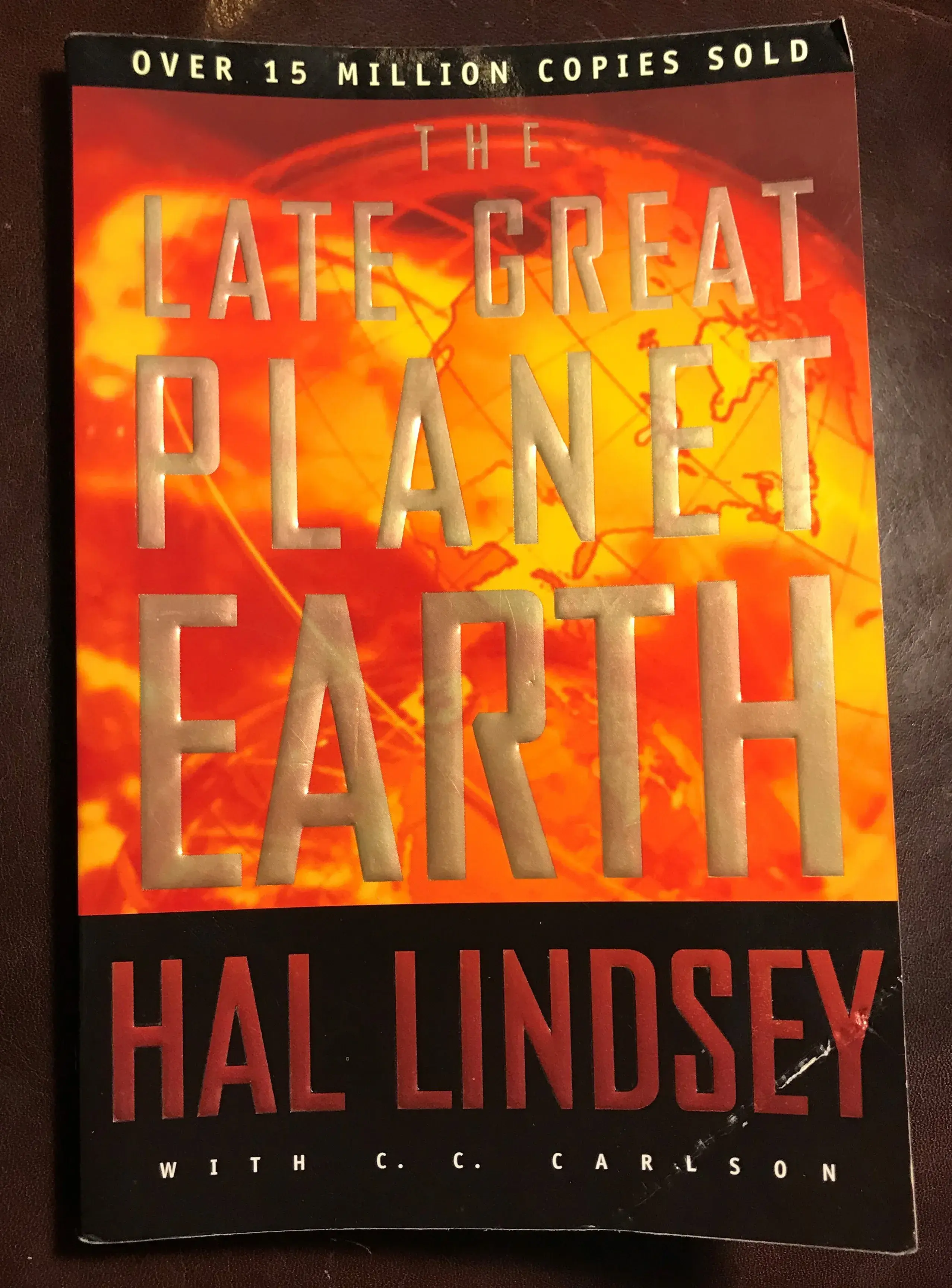
Where Hal Lindsey and Dispensationalism Went Wrong
Posted by Charles Meek on 2nd December 2024 in Eschatology | Dispensationalism,end times,Hal Lindsey,John Nelson Darby,false prophets
...This is a guest post from Charles Meek
Hal Lindsey’s bookThe Late Great Planet Earth
Hal Lindsey’s book The Late Great Planet Earth, first edition in 1970, sold over 40 million copies. Gullible Christians got sucked into Lindsey’s soon-end-of-the-world cult-like poppycock. As time has passed without his version of Armageddon taking place, we can now objectively analyze where Lindsey went wrong:
Lindsey (p. 54, 181), like other dispensationalists, placed the beginning of the end with Israel becoming a nation in 1948. He thought all prophecy would be fulfilled within a 40-year generation (Matthew 24:34). But 1988 came and went, proving him to b...
Biblical Inspiration and the Canon: How We Got the Bible
Posted by Luke J. Wilson on 28th February 2025 in Early Church | canon,nicea council,nicene council,myths,church history,church fathers
...by early Christians, including the apostles. The Septuagint included several books not found in the Hebrew Bible, known as the Deuterocanonical books (such as Tobit, Judith, Wisdom, and 1–2 Maccabees). While these books were accepted in many early Christian communities and remain part of the canon in Catholic and Orthodox traditions, Protestant reformers later removed them, considering them useful but not divinely inspired at the same level as the rest of Scripture.
The reformers’ view was influenced by Jerome, who, in the 4th century, argued that these books were not part of the Hebrew Bible and therefore should be considered separate. However, he still i...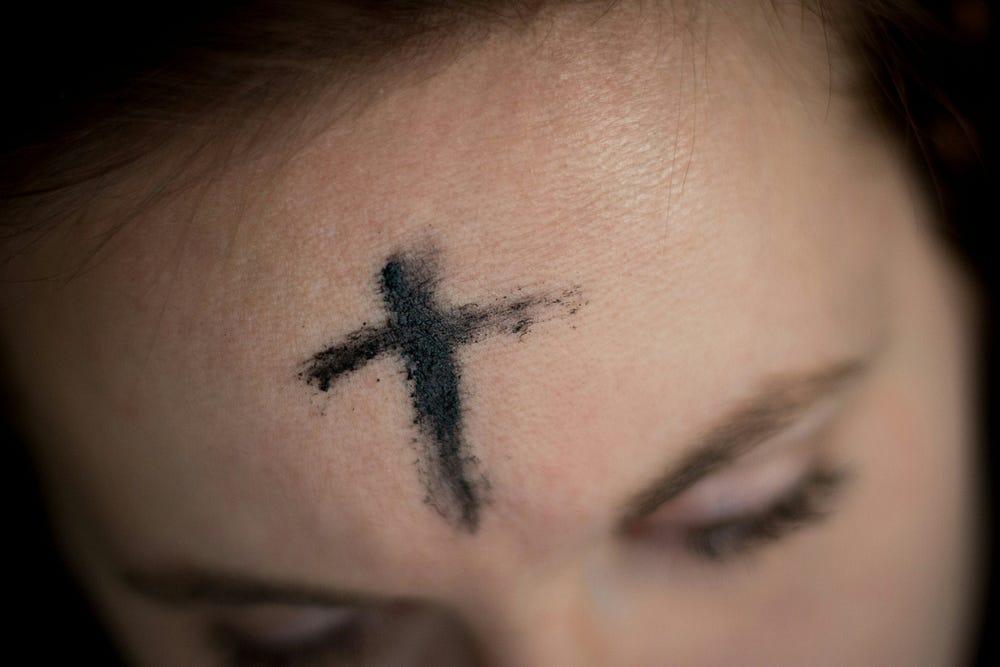
From Dust to Redemption: The Meaning of Ash Wednesday
Posted by Luke J. Wilson on 5th March 2025 in Lent |
...any early Christians abstained not only from meat but also from dairy, eggs, and wine. In some traditions, believers ate only one meal per day, typically in the evening. While practices have evolved over time, the principle remains the same: Lent is a time of self-discipline, spiritual renewal, and preparation for Easter.
Meaning and Observance of Ash Wednesday
Ash Wednesday serves as a solemn reminder of human mortality and the need for repentance. The ashes, often made by burning the palm branches from the previous year’s Palm Sunday, symbolise both death and the hope of renewal in Christ.
The day is also marked by fasting and abstinence in many tradition...
Powered by WebBoss.io 3.7.1
Copyright © 2026 The Sacred Faith: Timeless Truths for Modern Minds. All Rights Reserved.
