Blog Search Results


214 results for cultural and society
found
within the Blog
6 displayed out of 214 (0.83seconds)Page 18 of 36

On the Feast of the Nativity, a sermon by Leo the Great
Posted by Luke J. Wilson on 22nd December 2018 in Christmas | nativity,christmas,xmas,leo the great,sermon
In the days leading up to Christmas, I wanted to share a sermon from a man known as Leo the Great (aka Pope Leo I), who was a Pope from 440-61 AD. He was one of the most significant and important men in Christian antiquity, as he tried to combat the heresies which seriously threatened church unity in the West, such as Pelagianism. This sermon of his about the incarnation of Christ and what it means for us has always stuck with me since I first read it last April when writing my own book on the Early Church Fathers.
It's not that long, so take the time to read it through and let the words sink in as we prepare for Christmas to remember and celebrate the birth...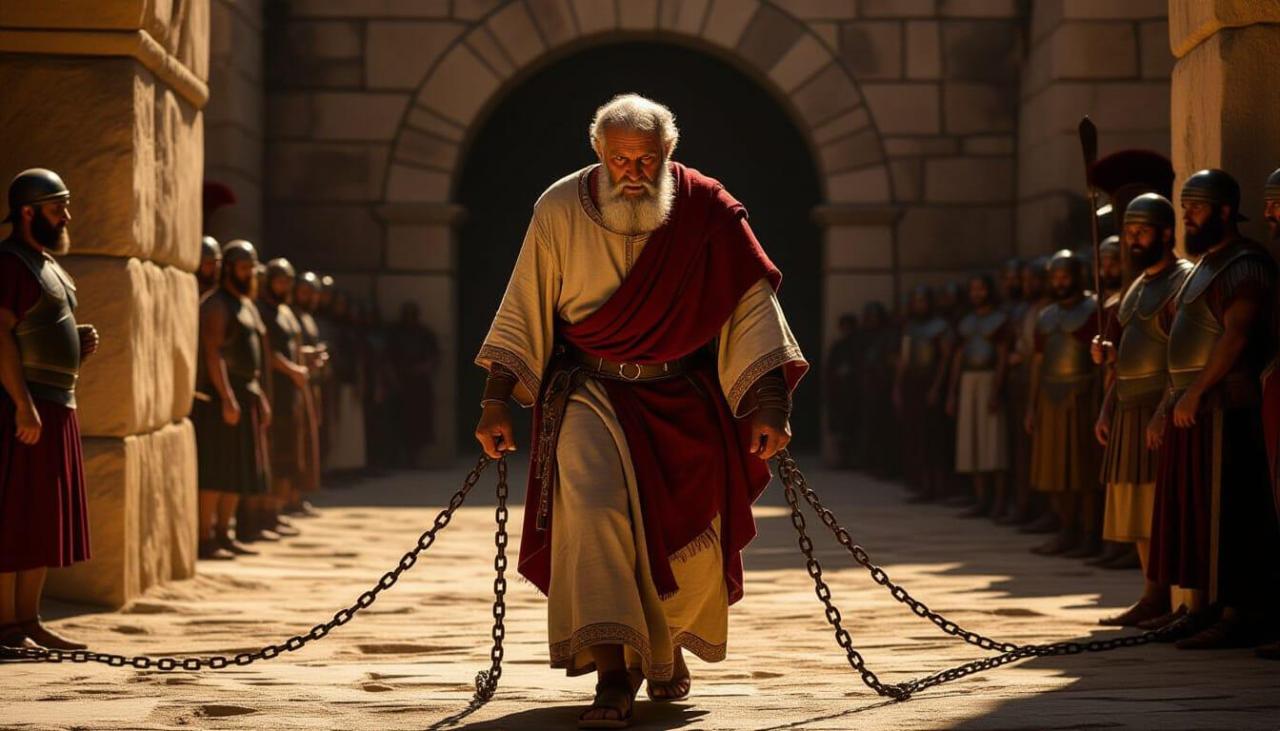
Before The Pumpkins: The Road To The Lions
Posted by Luke J. Wilson on 20th October 2025 in Halloween | ignatius,Ignatius of antioch,martyrdom,martyr,religion,halloween
The sound of chains echoed through the streets as Ignatius of Antioch was led from Syria to Rome. The old bishop’s body was frail, but his heart burned with the strength of Christ. Each clinking step brought him closer to the arena — and to the wild beasts that would tear him apart — yet his letters brimmed with joy and passion, and a sense of urgency inspiring others to unity, obedience, and unwavering faith. For Ignatius, death was not defeat; it was the completion of discipleship, crossing the finish line of faith… the moment when imitation of Christ became complete.
Ignatius of Antioch is one of my favourite Early Church Fathers mainly for h...
Did Herod’s Massacre Of The Innocents Historically Happen?
Posted by Luke J. Wilson on 29th December 2025 in Christmas | josephus,herod,nativity,christmas,epiphany,magi
January 6th marks the day in the liturgical calendar when the arrival of the Magi visiting baby Jesus with their gifts is celebrated. But with it comes the often distressing account of what is known as the Massacre of the Innocents. Matthew places this moment of revelation of Jesus as King alongside one of the darkest episodes in his Gospel, and it’s a stark contrast: one King is here to bring peace on earth, as the angels declared, the other king brought death and destruction.
For some readers, this raises an immediate historical question. If Herod truly ordered the killing of all the male children under two in Bethlehem, why does no other ancient historian...
Lent Day 22: Athanasius: Life of Anthony: Chaps. 11-20
Posted by Luke J. Wilson on 25th March 2017 in Lent | Lent,great lent,fasting,early church fathers,devotional,daily reading,Athanasius,Bishop of Alexandria,Confessor,Doctor of the Church,Anthony the Great
Day Twenty-two: St. Athanasius: Life of Anthony: Chaps. 11-20
Who: Bishop of Alexandria; Confessor and Doctor of the Church; born c. 296; died 2 May, 373 AD. He was the main defender of orthodoxy in the 4th-century battle against the Arianism heresy. Certain writers received the title “Doctor” on account of the great advantage their doctrine had on the whole Church, Athanasius especially for his doctrine on the incarnation.
What: The biography of Anthony the Great’s life, which helped to spread the concept of Christian monasticism, particularly in Western Europe.
Why: From the letter’s own prologue: “The life and conversation of our holy Father,...
What is Truth?
Posted by Luke J. Wilson on 29th July 2026 in Faith & Reason | truth,incarnation,pilate,philosophy,theology
��Pilate asked him, ‘What is truth?’ (John 18:38)
What is “truth”? A question famously asked by Pilate to Jesus during his trial. Ironically, Pilate was speaking to the embodiment of Truth itself.
John 14:6Jesus said to him, ‘I am the way, and the truth, and the life.’
Here’s a little ‘riddle’ to think about while you read this; see if you agree or not: “all truth is fact, but not all facts are truth”. I’ll explain it at the end if you’re confused.
Jesus is the ultimate Truth, but in a world and society that is becoming increasingly more relative, how do we test the truth and know what’s real or not? Especially with the su...
Lent: Day 11 - Ignatius to Polycarp
Posted by Luke J. Wilson on 13th March 2017 in Lent | Lent,great lent,fasting,early church fathers,devotional,daily reading,Ignatius,Ignatius to Polycarp,martyrdom
Day Eleven: St. Ignatius of Antioch: Letter to Polycarp (full text)
Who: Ignatius converted at a young age and later became Bishop of Antioch. A friend of Polycarp and fellow disciple of John, there is a long standing tradition that Ignatius was the child that Jesus held in his arms and blessed in Mark 10:13-16
What: A letter addressed personally to Polycarp giving him advice and encouragement as a bishop, plus some instructions on marriage to the church, which are reminiscent of Paul’s epistles.
Why: Ignatius wrote a series of letters to the churches in Asia Minor whilst en route to Rome to face martyrdom by wild beasts in the Colosseum around 108 AD.
Wh...
Powered by WebBoss.io 3.7.1
Copyright © 2026 The Sacred Faith: Timeless Truths for Modern Minds. All Rights Reserved.