
Blog Search Results


Did you mean:
athanasius
?
27 results for Athanasius
found
within the Blog
6 displayed out of 27 (0.80seconds)Page 2 of 5

Lent Day 26: Athanasius: Life of Anthony: Chaps. 51-60
Posted by Luke J. Wilson on 30th March 2017 in Lent | Lent,great lent,fasting,early church fathers,devotional,daily reading,Athanasius,Bishop of Alexandria,Confessor,Doctor of the Church,Anthony the Great,demons,healing,miracles
Day Twenty-six: St. Athanasius: Life of Anthony: Chaps. 51-60
Who: Bishop of Alexandria; Confessor and Doctor of the Church; born c. 296; died 2 May, 373 AD. He was the main defender of orthodoxy in the 4th-century battle against the Arianism heresy. Certain writers received the title “Doctor” on account of the great advantage their doctrine had on the whole Church, Athanasius especially for his doctrine on the incarnation.
What: The biography of Anthony the Great’s life, which helped to spread the concept of Christian monasticism, particularly in Western Europe.
Why: From the letter’s own prologue: “The life and conversation of our holy Father,...
Lent Day 28: Athanasius: Life of Anthony: Chaps. 71-80
Posted by Luke J. Wilson on 1st April 2017 in Lent | Lent,great lent,fasting,early church fathers,devotional,daily reading,Athanasius,Bishop of Alexandria,Confessor,Doctor of the Church,Anthony the Great,miracles,Greek Philosophy,demons,healing,deliverance,the cross,foolishness of the cross
Day Twenty-eight: St. Athanasius: Life of Anthony: Chaps. 71-80
Who: Bishop of Alexandria; Confessor and Doctor of the Church; born c. 296; died 2 May, 373 AD. He was the main defender of orthodoxy in the 4th-century battle against the Arianism heresy. Certain writers received the title “Doctor” on account of the great advantage their doctrine had on the whole Church, Athanasius especially for his doctrine on the incarnation.
What: The biography of Anthony the Great’s life, which helped to spread the concept of Christian monasticism, particularly in Western Europe.
Why: From the letter’s own prologue: “The life and conversation of our holy Father...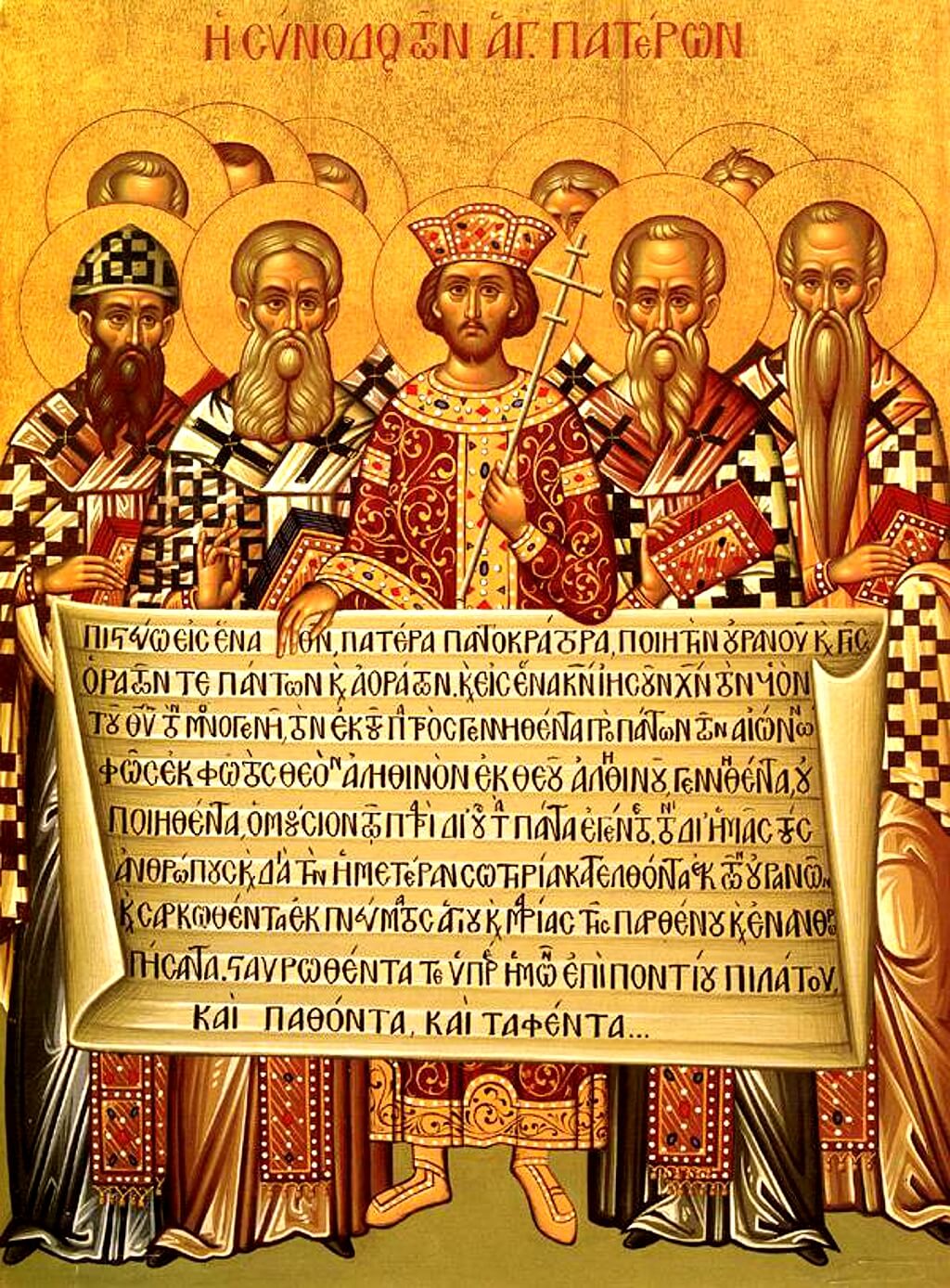
Creedal Christians: The Nicene Creed
Posted by Luke J. Wilson on 2nd June 2019 in Early Church | nicene creed,nicea council,creeds,creedal christians,creedal
...letter of Athanasius who was also present at the council as a secretary to the Bishop of Alexandria, here. It’s also often said that Nicholas of Myra (also known as Saint Nicholas – yes, that St. Nick) attended and actually slapped Arius across the face(!), but that is most likely an exaggeration at best, or an urban legend.
If you do read the canons of the council and the letters of Eusebius and Athansius, you’ll see that the Nicene Council had some specific goals to achieve and that their main objective was that of the divine nature of Christ and how to deal with the teaching of Arius. What they didn’t do, as some pervasive myths claim, was to “deci...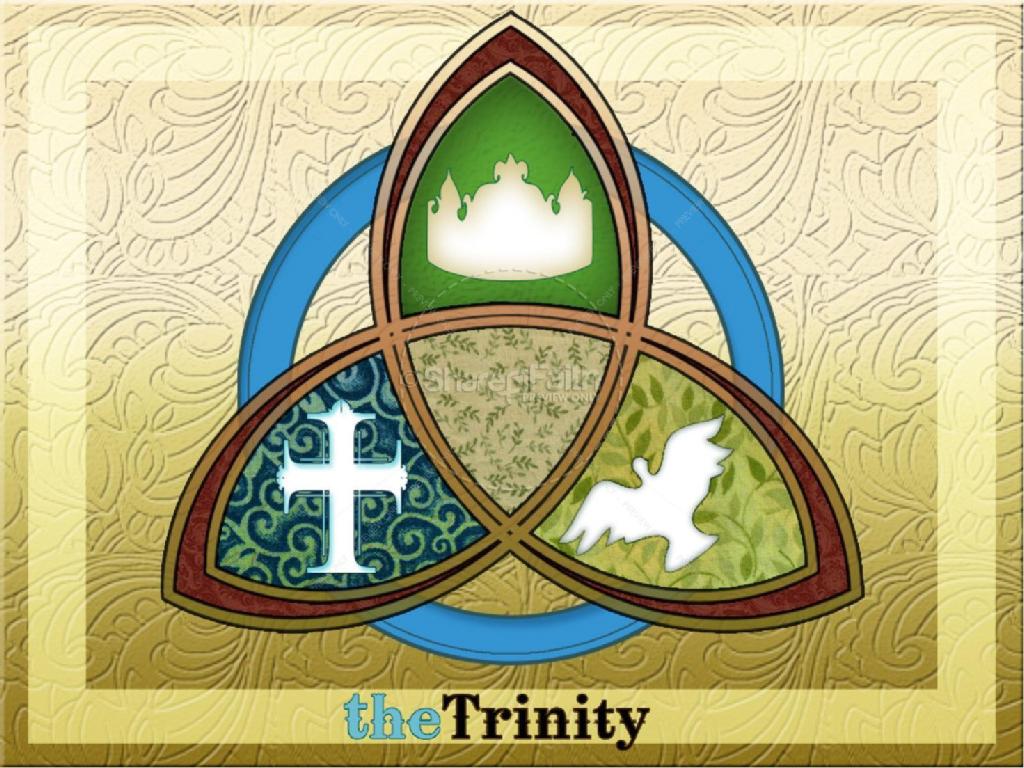
The Battle for the Trinity: Historical Heresies and Church Defences
Posted by Luke J. Wilson on 1st July 2024 in Trinity | trinity,heresy,heretics,theology,creeds
...ic Quote: Athanasius, a staunch defender against Arianism, wrote, “For the Son of God became man so that we might become God” (On the Incarnation, 8:54).
Modalism (Sabellianism)
What It Taught: Sabellius proposed that God is one Person who reveals Himself in three different modes or aspects: as the Father in creation, as the Son in redemption, and as the Holy Spirit in sanctification. This denies the distinctiveness of the three Persons.
Church’s Response: Modalism was rejected because it undermines the relational aspect of the Trinity. The distinct Persons interact with each other, as seen in Jesus’ baptism where the Father speaks, the Son is bap...
Lent Day 22: Athanasius: Life of Anthony: Chaps. 11-20
Posted by Luke J. Wilson on 25th March 2017 in Lent | Lent,great lent,fasting,early church fathers,devotional,daily reading,Athanasius,Bishop of Alexandria,Confessor,Doctor of the Church,Anthony the Great
...Day Twenty-two: St. Athanasius: Life of Anthony: Chaps. 11-20
Who: Bishop of Alexandria; Confessor and Doctor of the Church; born c. 296; died 2 May, 373 AD. He was the main defender of orthodoxy in the 4th-century battle against the Arianism heresy. Certain writers received the title “Doctor” on account of the great advantage their doctrine had on the whole Church, Athanasius especially for his doctrine on the incarnation.
What: The biography of Anthony the Great’s life, which helped to spread the concept of Christian monasticism, particularly in Western Europe.
Why: From the letter’s own prologue: “The life and conversation of our holy Father,...
Lent Day 25: Athanasius: Life of Anthony: Chaps. 41-50
Posted by Luke J. Wilson on 29th March 2017 in Lent | Lent,great lent,fasting,early church fathers,devotional,daily reading,Athanasius,Bishop of Alexandria,Confessor,Doctor of the Church,Anthony the Great,demons,demonology,satan,devil
...Day Twenty-five: St. Athanasius: Life of Anthony: Chaps. 41-50
Who: Bishop of Alexandria; Confessor and Doctor of the Church; born c. 296; died 2 May, 373 AD. He was the main defender of orthodoxy in the 4th-century battle against the Arianism heresy. Certain writers received the title “Doctor” on account of the great advantage their doctrine had on the whole Church, Athanasius especially for his doctrine on the incarnation.
What: The biography of Anthony the Great’s life, which helped to spread the concept of Christian monasticism, particularly in Western Europe.
Why: From the letter’s own prologue: “The life and conversation of our holy Father,...
Powered by WebBoss.io 3.7.1
Copyright © 2026 The Sacred Faith: Timeless Truths for Modern Minds. All Rights Reserved.
