
Blog Search Results


210 results for church history
found
within the Blog
6 displayed out of 210 (0.48seconds)Page 2 of 35

Man-Made Tradition vs Apostolic Tradition
Posted by Luke J. Wilson on 28th February 2016 in Early church | early church,early church fathers,tradition,creeds,nicene creed,apostolic creed,man made tradition,apostolic tradition
Quite often in discussions which are about or involve some aspects of early church history or practices earlier Christians did, someone will inevitably throw out the "show stopper" that is "it's all just man made tradition" therefore not valid and the discussion is over. It’s as though saying it's "man made", without considering anything other than that they can't find an isolated chapter and verse in the bible which states something explicitly, means they've "won" the debate!
Nothing more to see here folks, someone told us it's man made so we can all go home now. Either that, or the mere mention of the word “tradition” and suddenly you’re accused of be...
Christians and the Coronavirus (COVID-19)
Posted by Luke J. Wilson on 20th March 2020 in Coronavirus |
We currently live in troubled times lately with a lot of uncertainty around us, both locally and globally. But even now as I write this and think on the topic of the virus, one verse in particular springs to mind:
Psalm 23:4Even though I walk through the valley of the shadow of deathI fear no evil;for you are with me;your rod and your staff — they comfort me.
It does feel a little bit like we are all walking through “the valley of the shadow of death” at the moment! But as the Psalmist says, “I fear no evil” for God is with us and comforts us. That doesn’t necessarily mean we won’t get sick (or die), but that no matter what is happening aroun...
Does Christmas have pagan origins?
Posted by Luke J. Wilson on 19th December 2019 in Christmas | christmas,xmas,origins,pagan,pagan roots,church fathers,church history,Saturnalia,Epiphany,Annunciation,Tertullian,Origen,john chrysostom,incarnation,liturgical calendar,church calendar,festivals
For most people, the question of the origins of Christmas is probably far from their minds. Some may recognise and give a cursory glance towards the Biblical narrative on the birth of Jesus as something to do with it (although a 2017 study showed that almost 1 in 20 Brits thought Easter was the birth of Jesus!);—but in some Christian circles the question (accusation?) that “Christmas is pagan” is at the forefront of their minds.
Table of Contents
When was December 25th celebrated?
The Christian Calendar
Concluding Thoughts
Bonus Information
Further Reading & Sources:
As time goes on and we move further and further into the future,...
Who is the New Jerusalem?
Posted by Luke J. Wilson on 6th January 2016 in Second Coming Series | Revelation,New Jerusalem,The church,Holy City,Early church,Early church Fathers,Eusebius,Origen,Barnabas,millennium,millennial reign,1000 years,New Heaven and Earth
This is a sort of ‘addendum’ to the Revelation Fulfilled? article
Yes you read the title correct: WHO (not what) is the New Jerusalem?
To answer this, you must ask yourself: who is the Bride of Christ?
If you answered “the church” (as in, the body of believers, not buildings) then you’d be correct as they are both one and the same!
Roughly 1500 miles square.
Maybe you’ve always wondered why the church is called the “bride”? Well, let’s examine some Scriptures and see!
2 Corinthians 11:2I feel a divine jealousy for you, for I promised you in marriage to one husband, to present you as a chaste virgin to Chris...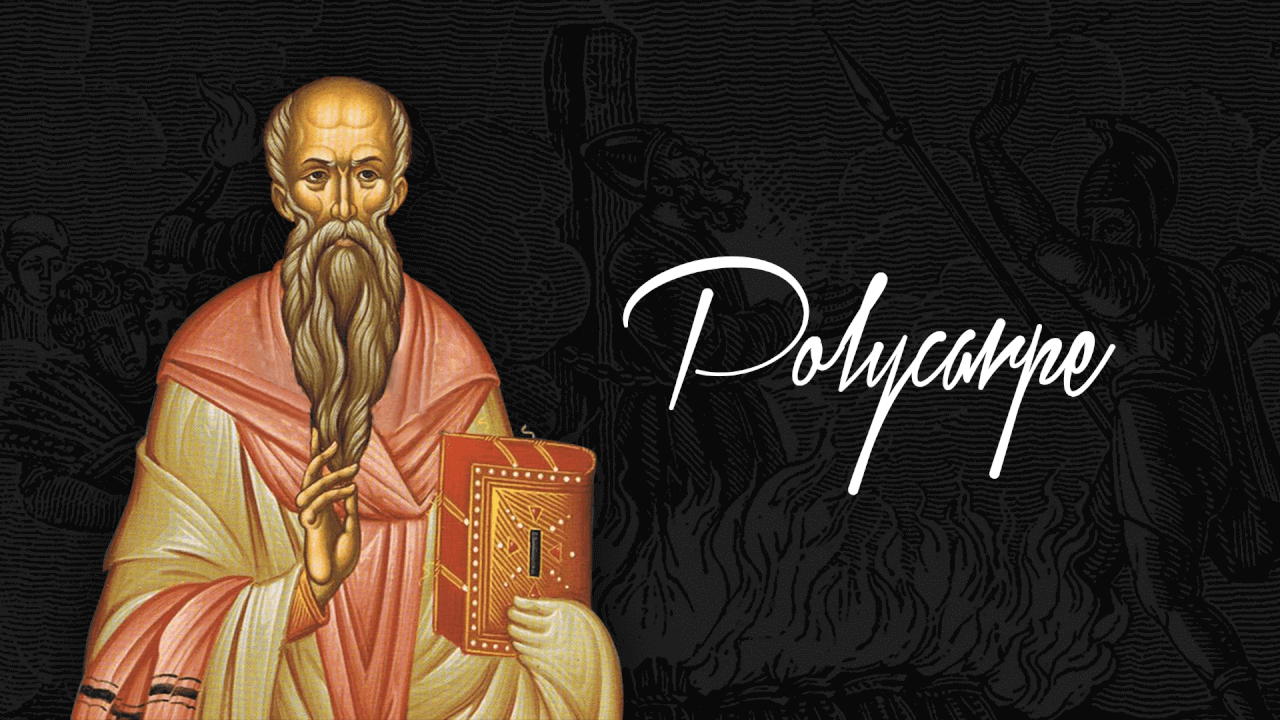
How Polycarp (And Others) Show The Early Use Of The New Testament
Posted by Luke J. Wilson on 21st November 2021 in Early church | early church,early church fathers,polycarp,new testament,canon,biblical canon
Polycarp is one of the most important people in early church history. He was a disciple of John the Evangelist, and later became the bishop of Smyrna.
Polycarp was born around 69 A.D. in Smyrna, which is now modern-day Turkey. He grew up during a time when Christians were being persecuted for their beliefs, and he himself became a Christian at a young age. Polycarp is regarded as one of the earliest church fathers because he had a significant impact on Christianity as it spread throughout Asia Minor and Europe, and he also played an important role in shaping biblical canon for centuries to come.
We don’t know a great deal about his life, apart from t...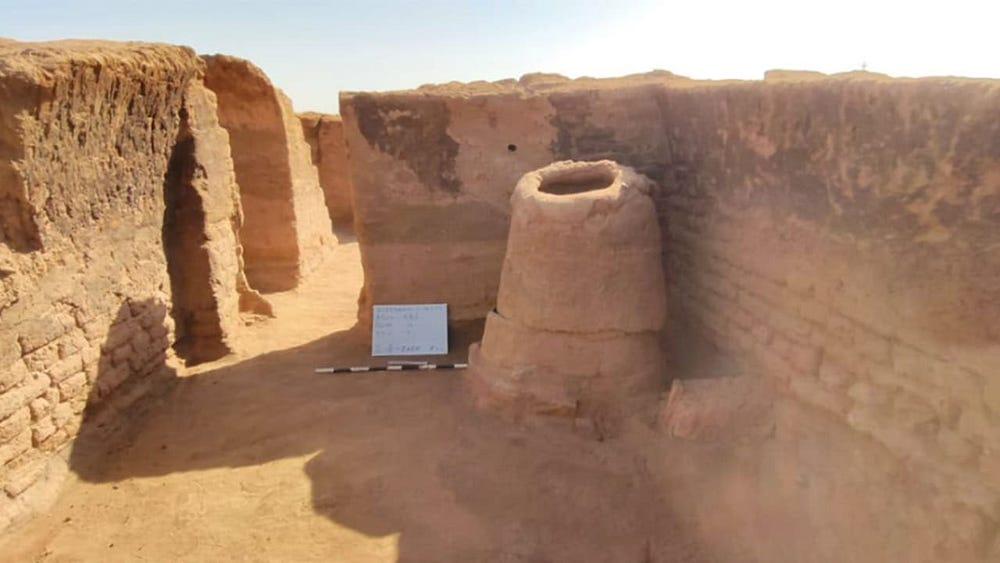
A City In The Sand: What A Fourth-Century Discovery In Egypt’s Western Desert Tells Us About The Early church
Posted by Luke J. Wilson on 27th July 2026 in Archaeology | archaeology,early church,history
...ples from church history. No martyrdoms or persecution, no imperial edicts issued from this particular spot, no church Father of any renown lived here. But it’s exactly the kind of unglamorous, granular evidence that historians of early Christianity often lack. We have plenty of theological argument from the fourth century — Nicaea, Athanasius, the Arian controversy — and comparatively little evidence of how an ordinary provincial congregation actually lived, worshipped, and organised itself in that same window of time.
Egyptian archaeological mission discovers Byzantine era city in Dakhla Oasis, July 6, 2026. (credit: EGYPTIAN TOURISM AND ANTIQ...
Powered by WebBoss.io 3.7.1
Copyright © 2026 The Sacred Faith: Timeless Truths for Modern Minds. All Rights Reserved.
