
Blog Search Results


19 results for liturgical calendar
found
within the Blog
6 displayed out of 19 (0.81seconds)Page 2 of 4
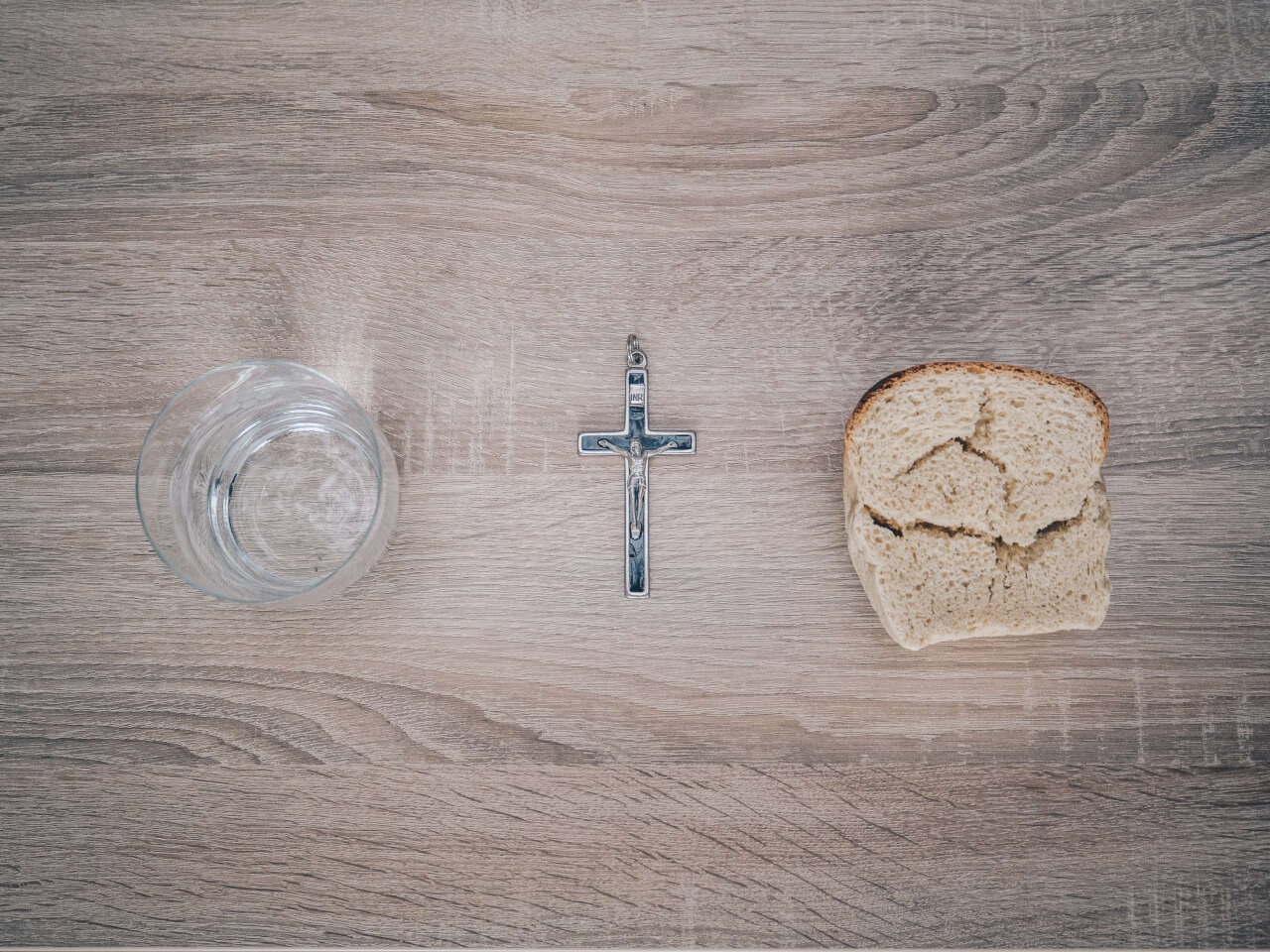
Fasting: A spiritual and physical discipline
Posted by Luke J. Wilson on 27th May 2019 in Fasting | fasting,didache,discipline,self control,Lent,early church,early church fathers
The topic of fasting often comes up in online discussion groups that I'm a part of, more often in Protestant circles where the practice is more often sidelined in low churches. So let's take a look at the practice of fasting from a practical and historical view, as it seems to be a spiritual discipline which has been pushed aside in many churches today, with prayer, worship and bible reading taking more precedence in a Christian's life instead (not that those are bad things to do!).
Why fast?
There are many reasons to fast, and recent studies have shown a lot of health benefits that can be derived from fasting. But on the spiritual side of life, there are also...
Great Lent: The Season of Fasting
Posted by Luke J. Wilson on 13th February 2016 in Lent | Lent,Easter,Fasting,Prayer,early church,early church fathers,paganism,pagan roots
Fasting
A spiritual and physical discipline
If you are looking for a Lenten reading plan, make sure to check out my book, 40 Days with the Fathers: A Journey Through Church History, which will take you through the first 400 years of church history in forty days!
Lent is upon us once again (according to Western tradition), and so I thought it’d be good to write something on the discipline of fasting, which is often neglected or overlooked in many Protestant churches.
And much like any major holiday, there is the usual arguments and accusations about how it's all just pagan festivities with a "Christian mask". Easter is no different, and usually gets hit...
Christians and the Coronavirus (COVID-19)
Posted by Luke J. Wilson on 20th March 2020 in Coronavirus |
We currently live in troubled times lately with a lot of uncertainty around us, both locally and globally. But even now as I write this and think on the topic of the virus, one verse in particular springs to mind:
Psalm 23:4Even though I walk through the valley of the shadow of deathI fear no evil;for you are with me;your rod and your staff — they comfort me.
It does feel a little bit like we are all walking through “the valley of the shadow of death” at the moment! But as the Psalmist says, “I fear no evil” for God is with us and comforts us. That doesn’t necessarily mean we won’t get sick (or die), but that no matter what is happening aroun...
Did Herod’s Massacre Of The Innocents Historically Happen?
Posted by Luke J. Wilson on 29th December 2025 in Christmas | josephus,herod,nativity,christmas,epiphany,magi
January 6th marks the day in the liturgical calendar when the arrival of the Magi visiting baby Jesus with their gifts is celebrated. But with it comes the often distressing account of what is known as the Massacre of the Innocents. Matthew places this moment of revelation of Jesus as King alongside one of the darkest episodes in his Gospel, and it’s a stark contrast: one King is here to bring peace on earth, as the angels declared, the other king brought death and destruction.
For some readers, this raises an immediate historical question. If Herod truly ordered the killing of all the male children under two in Bethlehem, why does no other ancient historian...
Lent Day 34: Cyril of Jerusalem: Catechetical Lectures: Lecture XXIII
Posted by Luke J. Wilson on 8th April 2017 in Lent | Lent,great lent,fasting,early church fathers,devotional,daily reading,Doctor of the Church,lectures,liturgy,catechism,Bishop of Jerusalem,Eucharist,Lord's Prayer
Day Thirty-four: St. Cyril of Jerusalem: Catechetical Lectures: Lecture XXIII
Who: Bishop of Jerusalem and Doctor of the Church, born about 315; died probably 18 March, 386. Little is known of his life, except from his younger contemporaries, Epiphanius, Jerome, and Rufinus, as well as from the fifth-century historians, Socrates, Sozomen and Theodoret.
What: Each of the lectures deal with a different topic to teach converts the mysteries of the Church, particularly: rites of the renunciation of Satan and his works, of anointing with oil, of baptism, of anointing with the holy chrism, and of partaking of the body and blood of Christ.
Why: Cyril delivered to ne...
Who was the real Santa Claus?
Posted by Luke J. Wilson on 17th December 2018 in Christmas | christmas,xmas,St Nicholas,early church,Nicea council,father Christmas,santa claus
It's that magical time of year when the lights go up, the trees get decorated and a familiar bearded man in a red suit pops up everywhere.
He goes by a few names: Santa Claus, Father Christmas, and Saint Nick.
But who was the real Santa Claus?
Well, to answer that, we need to go way back in history to the fourth century to a Bishop called Nicholas of Myra (present-day Demre, Turkey).
Memes abound about St Nicholas and Arius
Some early lists place him as one of the Bishops who attended the First Council of Nicaea in 325 AD, and there are some questionable legends which state that he was temporarily defrocked (removal from office) and imprisoned during...
Powered by WebBoss.io 3.7.1
Copyright © 2026 The Sacred Faith: Timeless Truths for Modern Minds. All Rights Reserved.
