
Blog Search Results


27 results for martyrdom
found
within the Blog
6 displayed out of 27 (0.02seconds)Page 2 of 5
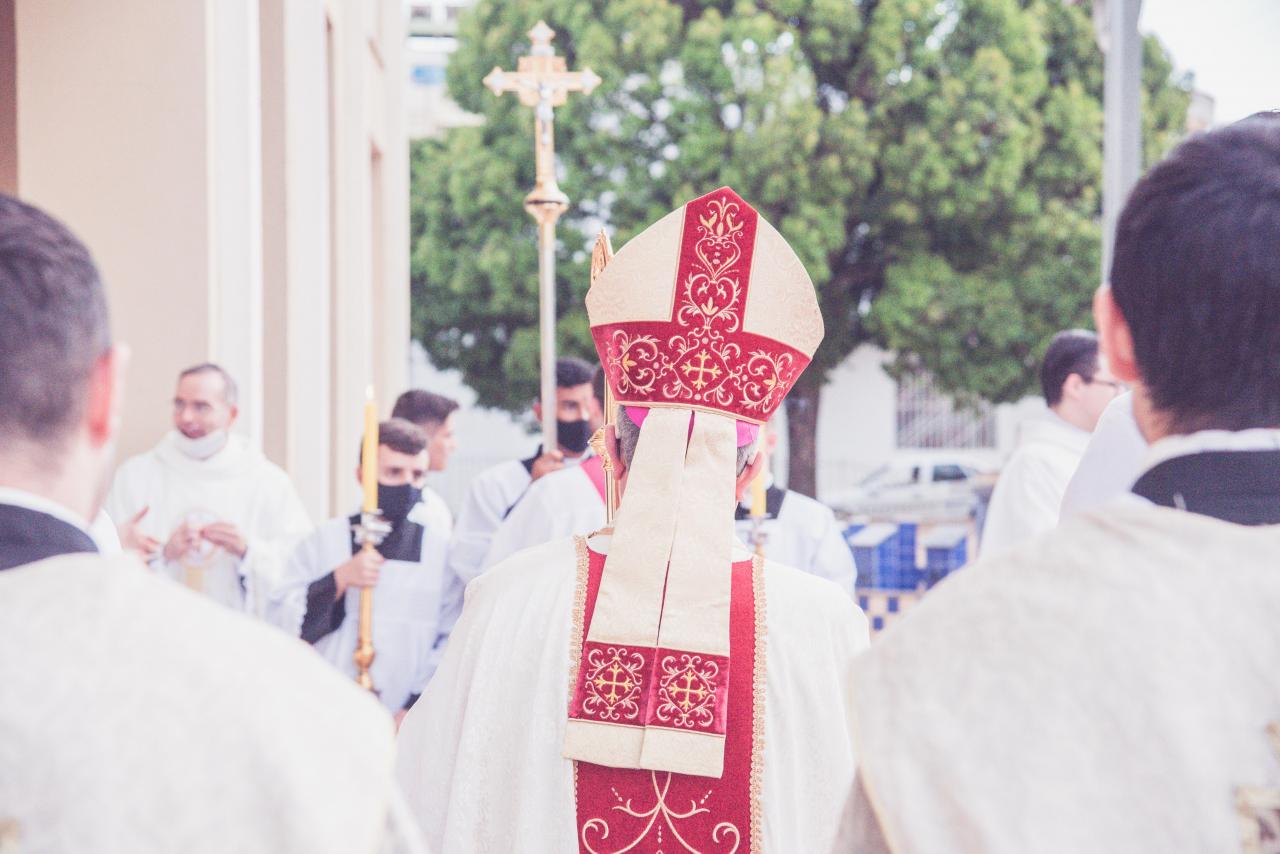
What does the word "Catholic" mean?
Posted by Luke J. Wilson on 8th March 2021 in Etymology | catholic,church fathers,church history,etymology,roman catholic,eastern orthodox,Great Schism,Muratorian Fragment
For many people today, non-Christians and (low church) Christians alike, when they hear the word “Catholic”, certain images spring to mind: the Pope, the rosery, Catholic school, big old churches buildings, choirboys, maybe monks or statues of Mary even; and sadly more recently, sex abuse scandals.
But, generally speaking, all of these are actually aspects of Roman Catholicism — a particular branch of Christianity, and not what the word “catholic” truly means as we’ll see when examining how the early church used the word and what the original Greek word means.
καθολικός (katholikos)
The Greek word where we get the English word “c...
Before The Pumpkins: The Day Two Women Defied Rome
Posted by Luke J. Wilson on 29th October 2025 in Halloween | halloween,martyrdom,Perpetua,Felicity
In the last post, we looked at Polycarp — a faithful bishop who faced the flames rather than deny his Lord. His courage in the face of certain death became a rallying light for generations of believers after him. But his story is only one among many in the long line of the cloud of witnesses who ran the race before us (Hebrews 12:1). Today, we step forward a few decades to another account of extraordinary faith — that of two women, Perpetua and Felicity.
Perpetua left an account of her own martyrdom (technically a Passion) which is considered historically reliable. What makes it extraordinary is that Perpetua herself wrote a portion of it in Latin b...
Lent: Day 6 - Ignatius to the Magnesians
Posted by Luke J. Wilson on 7th March 2017 in Lent | Lent,great lent,fasting,early church fathers,devotional,daily reading,Ignatius,Ignatius of Antioch: Letter to the Magnesians
Day Six: St. Ignatius of Antioch: Letter to the Magnesians (full text)
Who: Ignatius converted at a young age and later became Bishop of Antioch. A friend of Polycarp and fellow disciple of John, there is a long standing tradition that Ignatius was the child that Jesus held in his arms and blessed in Mark 10:13-16
What: Ignatius urges the church to continue in unity, to honour their leadership and to avoid Judaizers who may try to bring false teaching. This letter also gives some valuable insight to early church hierarchy.
Why: Ignatius wrote a series of letters to the churches in Asia Minor whilst en route to Rome to face martyrdom by wild beasts in the Col...
Did the Early Church invent the Trinity?
Posted by Luke J. Wilson on 4th January 2022 in Trinity | early church,trinity,church fathers,theology,council of nicaea,nicea council
The doctrine and concept of the Trinity is encapsulated in Matthew 28:19, where Jesus instructs the apostles: “Go therefore and make disciples of all nations, baptizing them in the name of the Father and of the Son and of the Holy Spirit”. John, who was very close to Jesus and obviously knew him well, alludes to this teaching frequently in his Gospel, too. For example: John 1:1; John 8:58; John 10:30; and John 10:38.
Yet, despite this, and numerous other examples throughout the New Testament which point towards the threefold nature of God, plenty of myths and legends abound online and in books which state that the divinity of Jesus (and therefore the Trinit...
My new book, available now! Take a journey through the first 400 years of Church History in only 40 days!
Posted by Luke J. Wilson on 2nd November 2018 in Early Church | book,40 days,church fathers,church history,maps,reading plan,devotional,daily reading,daily devotional
Take a journey through the first 400 years of Church History in only 40 days!
"40 Days with the Fathers" is a daily reading plan/devotional spread out over forty days; and over the course of this reading plan you will read extracts and commentary on 23 different early Church texts from a selection of some of the most influential Church Fathers, such as:
Didache, Diognetus, Polycarp, Ignatius, Justin Martyr, Cyprian, Athanasius, Cyril of Jerusalem, Ambrose of Milan, and Leo the Great.
These people who came before us, those great men of faith, many of whom suffered persecution and martyrdom to preserve the Church and Christ's mission, bridge the gap between th...
Lent: Day 5 - Ignatius to the Ephesians
Posted by Luke J. Wilson on 6th March 2017 in Lent | Lent,great lent,fasting,early church fathers,devotional,daily reading,Ignatius of Antioch: Letter to the Ephesians,Ignatius
Day Five: St. Ignatius of Antioch: Letter to the Ephesians (full text)
Who: Ignatius converted at a young age and later became Bishop of Antioch. A friend of Polycarp and fellow disciple of John, there is a long standing tradition that Ignatius was the child that Jesus held in his arms and blessed in Mark 10:13-16
What: The letter has a strong call to and for unity within the church, along with respect for their bishop.
Why: Ignatius wrote a series of letters to the churches in Asia Minor whilst en route to Rome to face martyrdom by wild beasts in the Colosseum around 108 AD.
When: Around 107-108 AD
There is a strong theme to this letter from the outset, an...
Powered by WebBoss.io 3.7.1
Copyright © 2026 The Sacred Faith: Timeless Truths for Modern Minds. All Rights Reserved.
