
Blog Search Results


25 results for origin
found
within the Blog
6 displayed out of 25 (0.03seconds)Page 2 of 5

Great Lent: The Season of Fasting
Posted by Luke J. Wilson on 13th February 2016 in Lent | Lent,Easter,Fasting,Prayer,early church,early church fathers,paganism,pagan roots
...have its origin in our time, but long before in that of our predecessors.
–Irenaeus (c.180)
See here he notes that this was a practice passed onto them by their "predecessors", a term often used in conjunction with the Apostles themselves, or those which immediately came after them, putting the origins of this Lent fast much earlier than when Irenaeus wrote in 180.
While there is a tentative link to the name "Easter" and a old Saxon goddess, the older root of the word simply means "East" or "dawn" in some other renditions, according to an Etymological Dictionary:
Ester and oster, the early English and German words, both have their root in aus, which...
What is Advent?
Posted by Luke J. Wilson on 1st December 2023 in Christmas | Advent,christmas,second coming,parousia
...gins
The origins of Advent, though veiled in the mists of time, can be traced back to around 480, with the Council of Tours in 567 introducing a distinctive element to this season. Monks were instructed to observe a fast every day in December until Christmas, adding an element of penitence and preparation to the weeks leading up to the joyous celebration. The roots of Advent delve deep into the historical fabric of Christian tradition, and as J. Neil Alexander, a bishop in the Episcopal church notes, providing a definitive explanation of its origin remains a challenging endeavour.
“[it is] impossible to claim with confidence a credible explanation of the ori...
Before The Pumpkins: Reclaiming All Hallows’ Eve
Posted by Luke J. Wilson on 12th October 2025 in Halloween | halloween,pagan roots,pagan,history,series
...It’s that time of year again when pumpkins appear in windows, skeletons hang from doorways, and debates resurface about whether Christians should have anything to do with Halloween. Some will say it’s entirely “pagan” in origin, others that it’s harmless fun — and many of us fall somewhere in the middle, just trying to work out what’s right (or try to ignore it!).
But what if we’ve forgotten that Halloween began not with ghosts and ghouls, but with grace and glory? Hallowe’en — “All Hallows’ Eve” — was never about celebrating darkness; it was about remembering the light. It marked the night before All Saints’ Day, a day...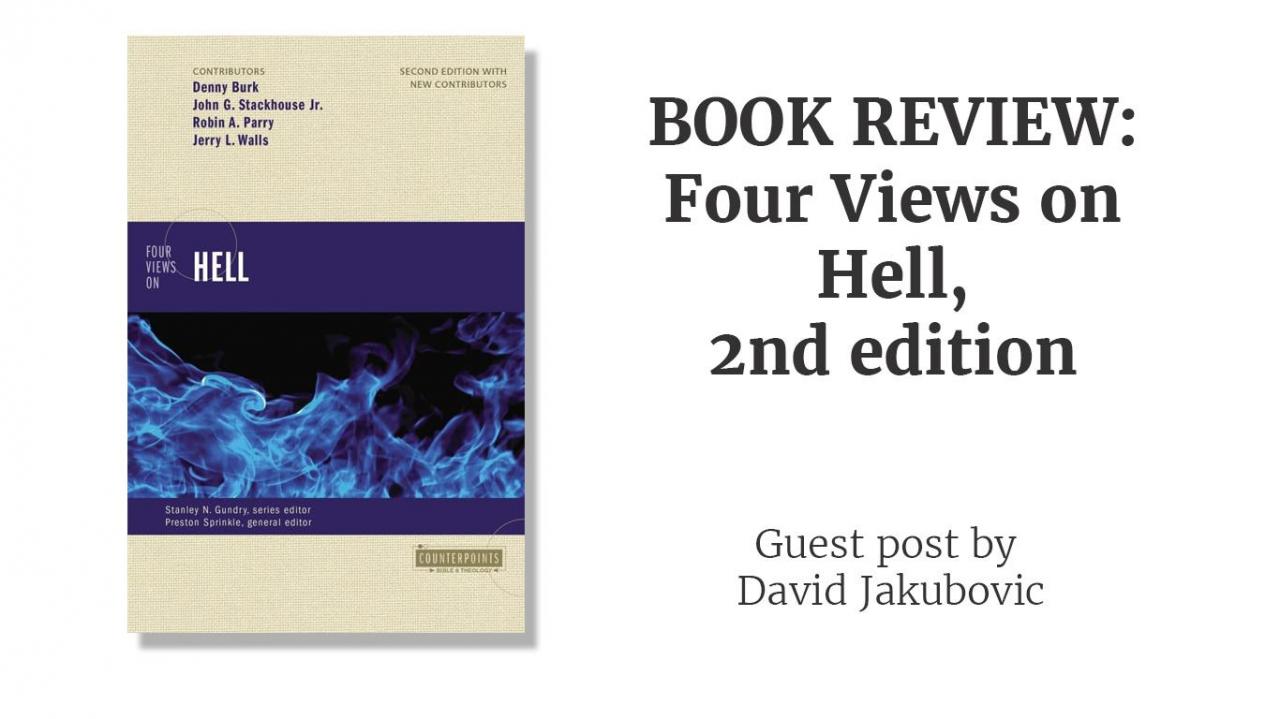
BOOK REVIEW: Four Views on Hell 2nd edition
Posted by David Jakubovic on 17th March 2021 in Book Review |
...n divine origin, not necessarily an unending conflagration; as Parry quips: “The need for caution is illustrated by the ‘eternal fire’ (puros aiôniou) of Sodom’s punishment (Jude 7), which – contra Burk – did not burn forever.” (Parry, Four Views, 51)
Sprinkle is also critical of Burk’s interpretation:
“Burk’s use of Jude 7 is particularly curious. Jude offers the destruction of Sodom and Gomorrah – not their torment – as an example of what will happen to the ungodly…You can read about this destruction in Genesis 19. There is no ongoing torment in that passage, and the cities of Sodom and Gomorrah aren’t still burning in an ‘...
Debunking the Myth: The Council of Nicaea and the Formation of the Biblical Canon
Posted by Luke J. Wilson on 20th November 2023 in Early Church | church history,council of nicaea,myths,debunked,canon,biblical canon
...A myth that never seems to fade away: the idea that the Council of Nicaea, convened in 325 AD under the authority of Roman Emperor Constantine, played a pivotal role in establishing the Biblical canon. This notion suggests a conspiracy and power play orchestrated by a select group of elite bishops; a narrative popularised by works like Dan Brown’s Da Vinci Code. However, a closer examination reveals a lack of historical basis for this claim.
The Council of Nicaea and the Canon
Contrary to popular belief, there is no evidence that the Council of Nicaea discussed or established the Canon of Scripture, leading to the creation of the Bible. Early Christian cano...
Is Halloween a Pagan Holiday?
Posted by Luke J. Wilson on 30th October 2017 in Halloween | halloween,all saints day,all hallows eve,early church,tradition,cultural and society,celebrations,festivals,holidays,holy day
...It's that time of year when you begin to see various articles and debates online about Hallowe'en, and whether it's entirely pagan in origin and the Church "stole it"; or if it's something that Christians should even have any part in.
Table of Contents
origins of the holiday
Aren’t there pagan roots?
What about “Trick or Treat”, costumes and pumpkins?
In conclusion
To some people, the answer is a straightforward “no”, while others say it falls into the realm of Christian freedom and personal discernment. But what about if you're unsure or somewhere in the middle of those two positions, how should you decide what is the right thing to do?...
Powered by WebBoss.io 3.7.1
Copyright © 2026 The Sacred Faith: Timeless Truths for Modern Minds. All Rights Reserved.
