
Blog Search Results


28 results for pagan roots
found
within the Blog
6 displayed out of 28 (0.30seconds)Page 2 of 5

From Paradise to Presents: The Christian Story Behind the Christmas Tree
Posted by Luke J. Wilson on 23rd December 2024 in Christmas | history,St Boniface,christmas,christmas tree
The Christmas tree is one of the most recognisable symbols of the festive season, adorning homes, churches, and public spaces with its evergreen beauty. But where did this tradition originate, and how did it become a central feature of Christmas celebrations? Looking into the history of the Christmas tree has turned out to be a fascinating historical story woven from various cultural and theological strands.
The Paradise Tree and the Feast of Adam and Eve
The connection between the Christmas tree and the Feast of Adam and Eve offers a large clue into its origins. In medieval Europe, December 24th was observed as the feast day of Adam and Eve, a commemoration t...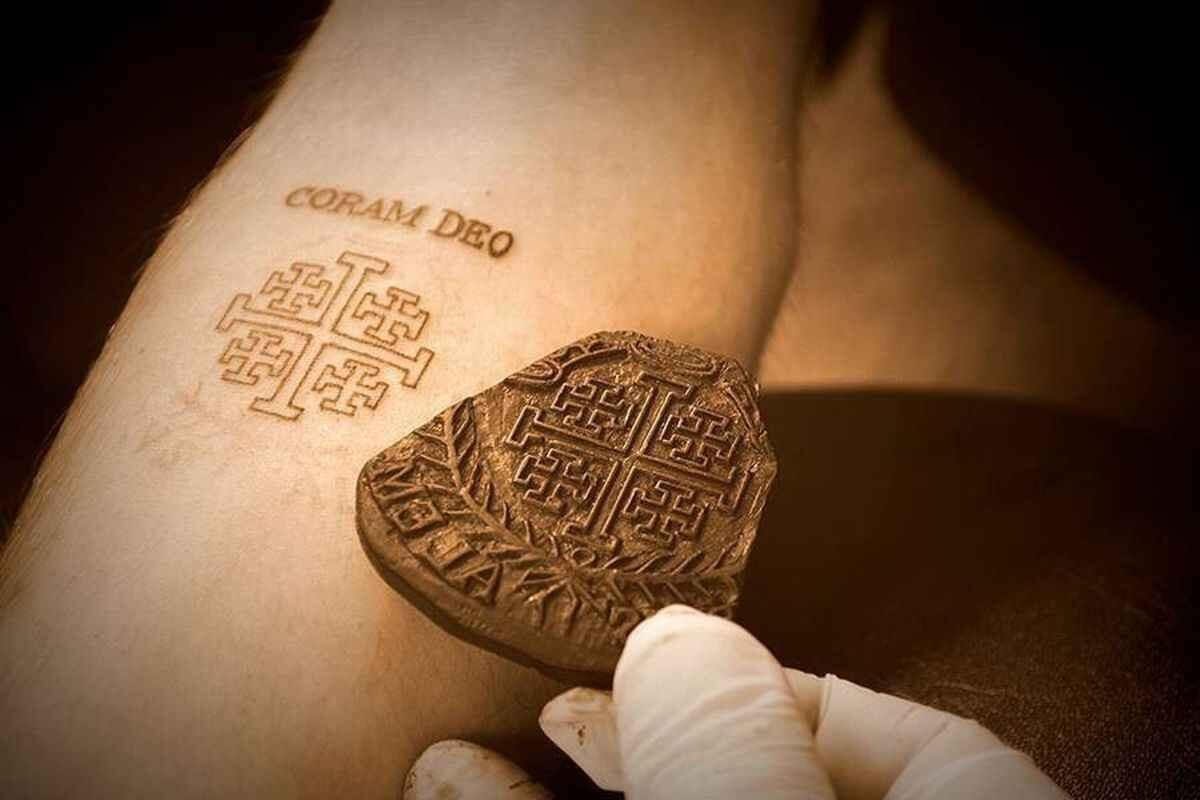
Should Christians get tattoos, and is it Biblical?
Posted by Luke J. Wilson on 31st August 2019 in Tattoos | tattoos,church history,Basil the Great,Leviticus,Old Testament
I was in a discussion not so long ago about tattoos, and I was asked about the historical view on this practice. It wasn’t something I had looked into before from a Church Fathers point of view, so it was an interesting topic of study. In my searching, I found this article from a Catholic site which seems to give a pretty interesting overview of some of the views about tattoos in the earlier centuries. The following is a quote about a Church Council in the context of native Britons, who still practiced tattooing at that time for pagan ritual, something which Tertullian also gives a fleeting reference to around 213 AD in his On the Veiling of Virgins, ch. 10....
Before The Pumpkins: Reclaiming All Hallows’ Eve
Posted by Luke J. Wilson on 12th October 2025 in Halloween | halloween,pagan roots,pagan,history,series
It’s that time of year again when pumpkins appear in windows, skeletons hang from doorways, and debates resurface about whether Christians should have anything to do with Halloween. Some will say it’s entirely “pagan” in origin, others that it’s harmless fun — and many of us fall somewhere in the middle, just trying to work out what’s right (or try to ignore it!).
But what if we’ve forgotten that Halloween began not with ghosts and ghouls, but with grace and glory? Hallowe’en — “All Hallows’ Eve” — was never about celebrating darkness; it was about remembering the light. It marked the night before All Saints’ Day, a day...
Implications Of The Frankfurt Silver Amulet: Insights Into Early Christian Practice And Belief
Posted by Luke J. Wilson on 6th January 2025 in Archaeology | amulet,liturgy,history,current events,early church
The discovery of an 1,800-year-old silver amulet in Frankfurt, Germany, has captured the attention of archaeologists and theologians alike. Known as the “Frankfurt Silver Inscription,” this artefact is the earliest known evidence of Christianity north of the Alps and serves as a great insight to early Christian theology and liturgical practice.
Its early date (230–270 AD) sets it apart from previously known artefacts, which are at least 50 years younger. While there are historical references to Christian communities in Gaul and Upper Germania during the late 2nd century, reliable material evidence of Christian life in the northern Alpine regions generally...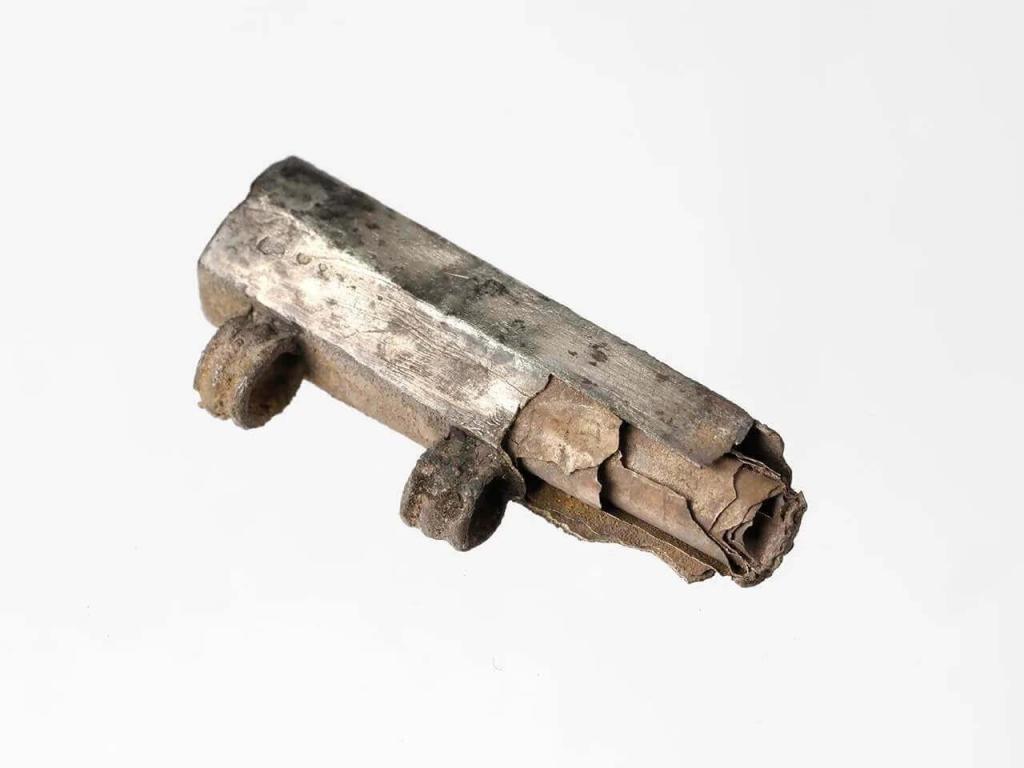
Ancient Amulet Rewrites History Of Christianity In Europe
Posted by Luke J. Wilson on 18th December 2024 in Archaeology | archaeology,amulet,discovery,current events,protection amulet
New discovery proclaims Jesus as “Son of God” a century earlier than previously thought.
An exciting archaeological discovery has recently come to light: researchers have unearthed an 1800-year-old silver amulet in Frankfurt, Germany. This amulet provides the earliest known evidence of Christianity north of the Alps and disrupts previously held ideas about the spread of the faith, namely that Christianity didn’t get to the German region around the fourth century.
The amulet, dating from approximately 230 to 270 AD, was found in 2018 beneath the chin of a man’s skeleton during excavations at a Roman burial site near the former town of Nida, now part o...
Jesus was a pagan copy, and other Christmas myths
Posted by Luke J. Wilson on 24th December 2017 in Christmas | christmas,jesus,incarnation,horus,osiris,mithras,egyptian gods,roman gods,zeitgeist,debunked
It's that time of year again when certain groups of people like to share memes and videos that apparently "prove" Jesus to be a carbon-copy of ancient Egyptian gods.
This has been debunked so many times, yet it's still so pervasive on social media, mindlessly shared over and over again. This myth about Jesus being a copy of other pagan "dying-and-rising gods" doesn't have its roots in Egyptian legend, but rather in the claims of a film called Zeitgeist.
A quick search online will bring up many websites which have gone through the claims of this film with a fine tooth comb, and debunked each one. Here's one such example, which lists out the major claims and giv...
Powered by WebBoss.io 3.7.1
Copyright © 2026 The Sacred Faith: Timeless Truths for Modern Minds. All Rights Reserved.
