
Blog Search Results


78 results for scripture
found
within the Blog
6 displayed out of 78 (0.03seconds)Page 2 of 13

How Old Was Jesus When He Died? A Fresh Look At The Historical Clues
Posted by Luke J. Wilson on 9th April 2025 in History | history,church fathers,church history,Jesus,crucifixion
We often hear that Jesus was “about 33 years old” when he was crucified and only had a three-year ministry. But have you ever wondered how precise that number is, or why we assume that was his age, especially when scripture doesn’t specify?
Table of Contents
The Gospel of Luke: “About Thirty”
Early Church Testimony: Irenaeus and the Longer Ministry
Historical Anchors: Birth, Pilate, and the Crucifixion Window
The Death of Herod
Cross-referencing with Pilate, Caiaphas, and Jesus
When Did Tiberius Begin to Reign?
1. From his co-regency with Augustus (AD 11–12)
2. From the death of Augustus (AD 14)
How Does This Affect Jesus’ Ag...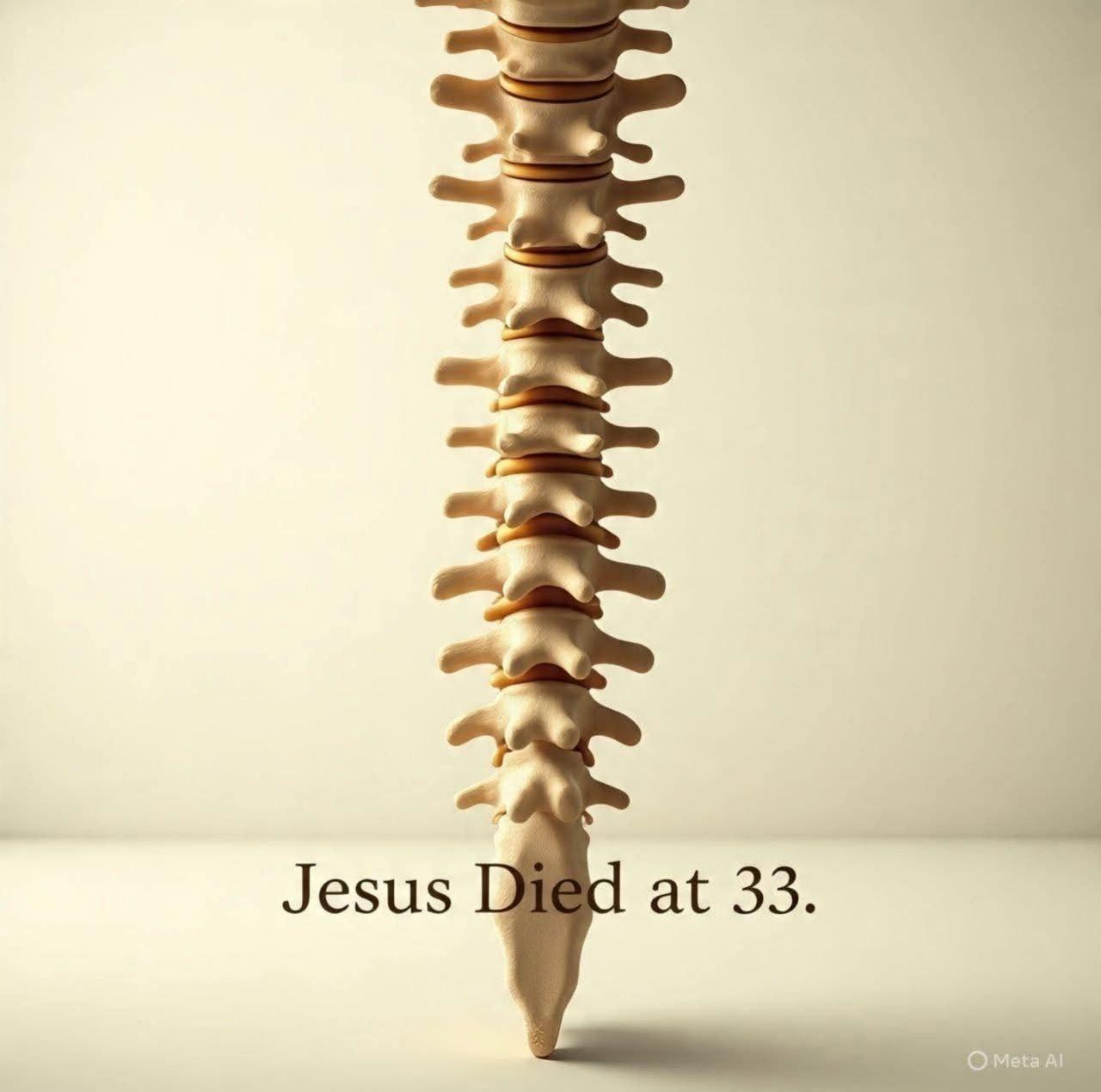
Fact-Checking the Viral Post Connecting Human Anatomy and the Bible
Posted by Luke J. Wilson on 19th August 2025 in Fact-Checking | biology,anatomy,apologetics,fact-checking,Facebook
A poetic post has been circulating widely on Facebook, suggesting that our anatomy mirrors various aspects of scripture. On the surface it sounds inspiring, but when we take time to weigh its claims, two main problems emerge.
The viral post circulating on Facebook [Source]
First, some of its imagery unintentionally undermines the pre-existence of Christ, as if Jesus only “held the earth together” for the 33 years of His earthly life. Second, it risks reducing the resurrection to something like biological regeneration, as if Jesus simply restarted after three days, instead of being raised in the miraculous power of God.
Alongside these theolog...
The Temptations of Jesus: Testing God
Posted by Luke J. Wilson on 4th March 2018 in Lent | temptation,testing God,pinnacle,Temple,Jesus,Satan,wilderness,Lent,desert,Armour of God
Here we are at the final temptation that the devil directly attacks Jesus with (I say directly, because next week I’m going to look at the more subtle attacks and temptations we can face).
Let’s begin with the text:
Matthew 4:5-7
Then the devil took him to the holy city and placed him on the pinnacle of the temple, saying to him, “If you are the Son of God, throw yourself down; for it is written,
‘He will command his angels concerning you,’
and ‘On their hands they will bear you up,
so that you will not dash your foot against a stone.’”
Jesus said to him, “Again it is written, ‘Do not put the Lord your God to the test.’” (...
Creedal Christians: The Apostle's Creed
Posted by Luke J. Wilson on 11th October 2018 in Early Church | creedal christians,creeds,creedal,apostles,apostolic creed,apostolic tradition,rule of faith,early church fathers,early church
The Apostle's creed — what is it and why is it called that?
Outside of the New Testament, this is one of the oldest creeds we have, dating back to the sixth – eighth century in its current form that is commonly known today, but having its origins much earlier — as far back as the second century in a shorter form known simply as the “Old Roman Creed”.
The Apostles creed is also sometimes referred to as the “Rule of Faith” as it is a summary of the Gospel and is the basis for pretty much all modern theology. The points of the creed cover all the major pillars of the Christian faith which aims to safeguard what is true orthodoxy (right belief), whic...
Spiritual Disciplines of the Early Church: Ancient Practices for the 21st Century
Posted by Luke J. Wilson on 17th June 2019 in Early Church |
I was asked not so long ago what kinds of things Christians did in the Early Church (first to fourth century) as a form of spiritual discipline, on a personal level as well as a corporate one. Though the concept of an individual “personal spiritual life” would have been quite foreign to first century believers as faith and Church was very much a corporate venture that had personal implications, rather than the other way around as it can often appear to be thought of today.
Much of what made Christianity structured, disciplined and set apart from society, has largely been lost in practice, or forgotten and relegated to the annals of history by many practicin...
What are the Seraphim, and was the devil one of them?
Posted by Luke J. Wilson on 23rd April 2020 in Angels | devil,satan,angels,seraphim,heaven
...a lot of scriptures to cover which mentions all of these themes, but I’ll just list a few here where we find the words for seraphim and serpent translated in various ways: Numbers 21:6; Job 26:13; Isaiah 6:6–7; 14:29; 27:1; 30:6. Then the New Testament references to the dragon: Revelation 12:9; 13:1; 20:2.
Serpents in the Garden
With this in mind, maybe it could change our view on the serpent in the Garden of Eden. Could it be that it wasn’t an actual snake speaking to Eve, but rather a seraphim-angel of some type? It would explain why no one was concerned about a talking animal when none of the others appear to be talkative! It could also help to expl...
Powered by WebBoss.io 3.7.1
Copyright © 2026 The Sacred Faith: Timeless Truths for Modern Minds. All Rights Reserved.
