
Blog Search Results


211 results for theology
found
within the Blog
6 displayed out of 211 (0.05seconds)Page 24 of 36

Free Early Church Resources
Posted by Luke J. Wilson on 13th November 2018 in Early Church | early church,early church fathers,maps,timeline,patristics,free resources,ante nicene fathers,apostolic fathers
Free Early Church Resources
I've created a few resources to aid with your studies or interest in the Early Church. The below maps are converted from the appendices in my book. I'll also soon add some hi-res versions as A3 poster size to purchase as well. Below the maps is an interactive chronological timeline of when the New Testament and Early Church texts were written. At the time of writing, I have covered most of the Ante-Nicene (pre-325 AD) period.
Geographical Locations of Early Church Texts
Approximate locations of where the NT and Ante-Nicene texts were written (or sent).
Blue book icons represent the New Testament books, the red crosses are a selec...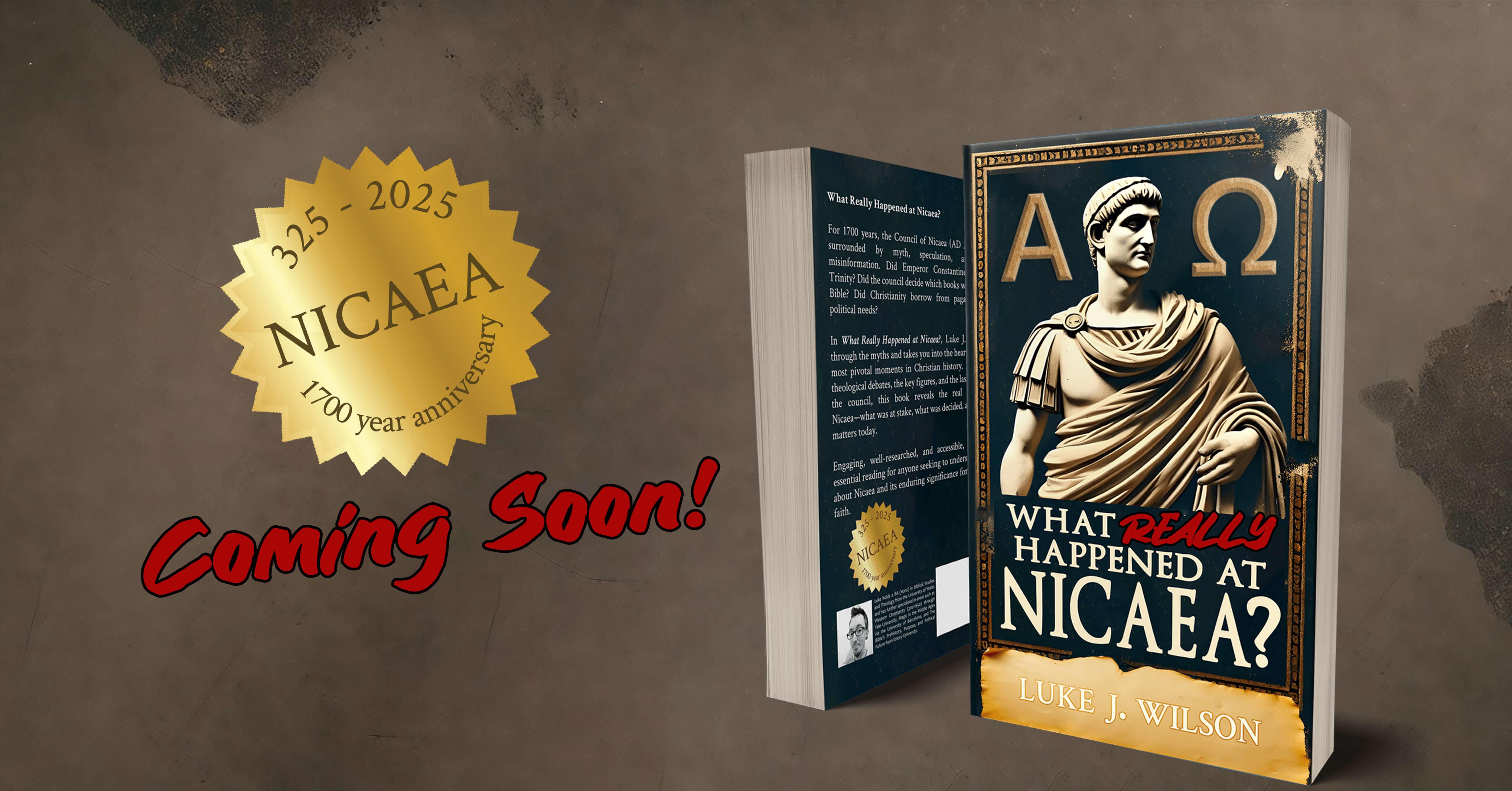
Announcing My New Book: What Really Happened at Nicaea?
Posted by Luke J. Wilson on 23rd February 2025 in Book Release | nicene council,nicene creed,controversy,constantine,book release
For 1700 years, the Council of Nicaea has been surrounded by myths, misunderstandings, and outright fabrications. From claims that Constantine “invented” the Trinity to the idea that the council decided the books of the Bible, there’s no shortage of misinformation floating around.
That’s why I’m excited to announce my upcoming book, What Really Happened at Nicaea? This book sets the record straight, taking you inside the actual events of 325 AD—what was debated, what was decided, and why it still matters today.
If you’ve ever wondered:✅ Did Constantine rewrite Christianity?✅ Was Jesus’ divinity really up for debate?✅ Did Nicaea creat...
Biblical Inspiration and the Canon: How We Got the Bible
Posted by Luke J. Wilson on 28th February 2025 in Early Church | canon,nicea council,nicene council,myths,church history,church fathers
The Bible is often described as “God-breathed,” a phrase taken from 2 Timothy 3:16: “All scripture is inspired by God and is useful for teaching, for reproof, for correction, and for training in righteousness.” But what does it mean for Scripture to be “inspired,” and how did the books of the Bible come to be recognised as part of the canon — the authoritative collection of writings that make up the Bible? Were they really “decided” at the Council of Nicaea, as some popular myths claim?
Table of Contents
Understanding Biblical Inspiration
What is the Canon?
The Septuagint and the Deuterocanonical Books
How Were the Books of the Bi...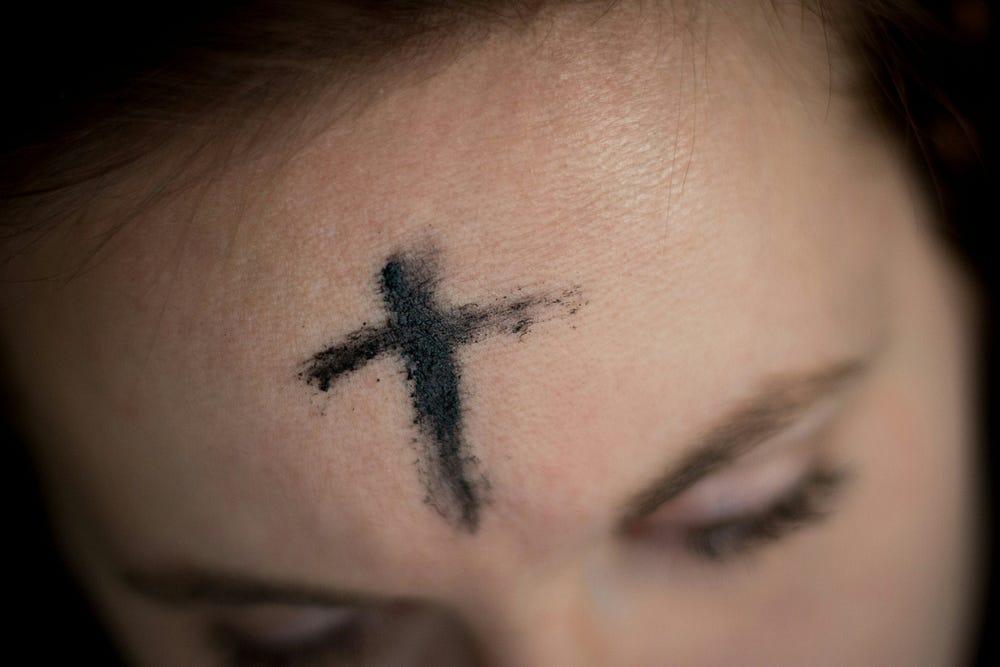
From Dust to Redemption: The Meaning of Ash Wednesday
Posted by Luke J. Wilson on 5th March 2025 in Lent |
Ash Wednesday marks the beginning of Lent, a season of repentance, fasting, and preparation for Easter in the Christian calendar. It is observed by many Western Christian traditions, including the Roman Catholic Church, Anglican Communion, Lutheran churches, and some Methodist and Reformed communities. The day falls 46 days before Easter Sunday and is always on a Wednesday.
Origins and Historical Development
The practice of Ash Wednesday can be traced back to the early centuries of Christianity, though its formal observance developed over time. The use of ashes as a sign of repentance has deep biblical roots, appearing frequently in the Old Testament. People w...
The Reality of Sin
Posted by Luke J. Wilson on 19th November 2018 in Sin | sin,zombies,mold,mildew,judgement
Sin is like a mold on us, like a rotting, black skin disease. If only we could see it on us, we'd be disgusted and repulsed! Zombies are popular on TV etc. right now, think of the grossness of those images and realise that when we sin and keep sinning, that's what we end up looking like before God!
We are living stones, together building up the temple of the Holy Spirit (1 Peter 2:5; 1 Cor 6:19). Think about that for a moment. Think of the splendor of Solomon's temple when it was built (re-read it again if you can’t remember: 1 Kings 6:14-36). We are that and SO much more! But now imagine it with mold and mildew and all that horrible black damp growing and sp...
On the Feast of the Nativity, a sermon by Leo the Great
Posted by Luke J. Wilson on 22nd December 2018 in Christmas | nativity,christmas,xmas,leo the great,sermon
In the days leading up to Christmas, I wanted to share a sermon from a man known as Leo the Great (aka Pope Leo I), who was a Pope from 440-61 AD. He was one of the most significant and important men in Christian antiquity, as he tried to combat the heresies which seriously threatened church unity in the West, such as Pelagianism. This sermon of his about the incarnation of Christ and what it means for us has always stuck with me since I first read it last April when writing my own book on the Early Church Fathers.
It's not that long, so take the time to read it through and let the words sink in as we prepare for Christmas to remember and celebrate the birth...
Powered by WebBoss.io 3.7.1
Copyright © 2026 The Sacred Faith: Timeless Truths for Modern Minds. All Rights Reserved.
