
Blog Search Results


Did you mean:
part one
?
193 results for Part one
found
within the Blog
6 displayed out of 193 (0.50seconds)Page 27 of 33
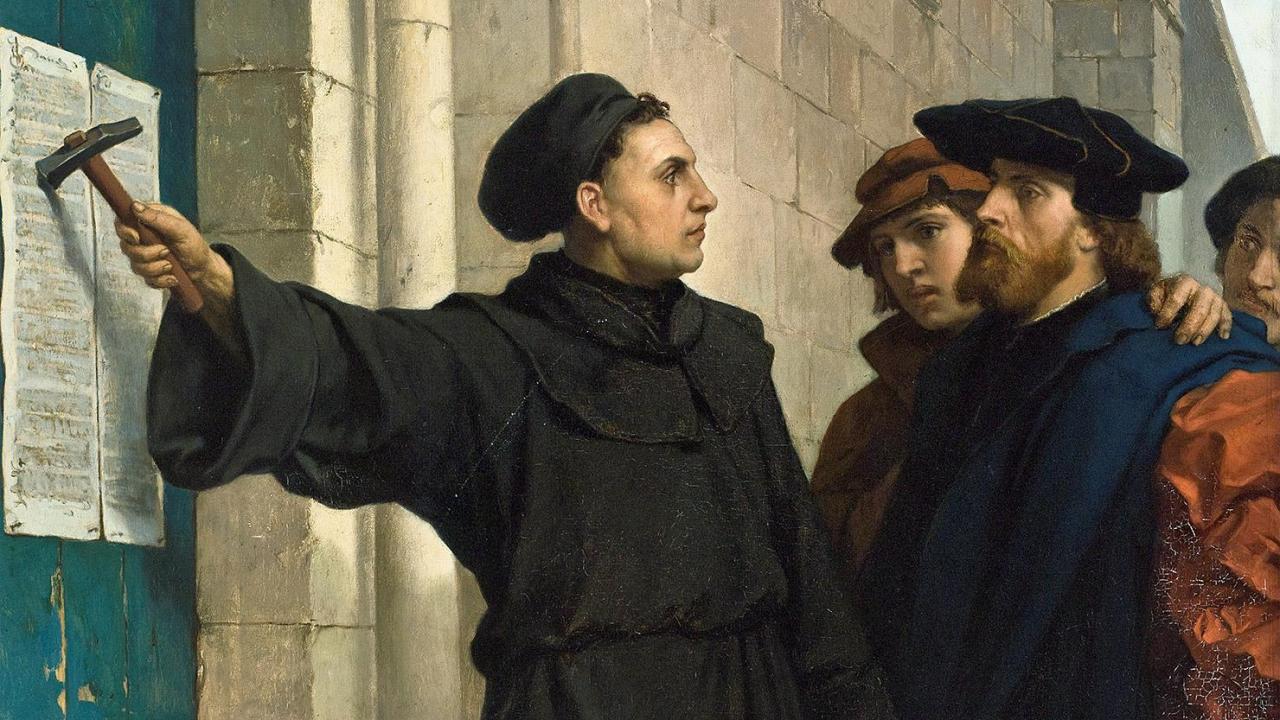
Nails, Theses, and Myth: The Truth About Luther's Famous Door
Posted by Luke J. Wilson on 5th June 2025 in Blogging | reformation,Luther,Protestantism,roman catholic
As we commemorated the 500th anniversary of the Protestant Reformation this year, the familiar image of Martin Luther striding up to the church door in Wittenberg — hammer in hand and fire in his eyes — has once again taken centre stage. It’s a compelling picture, etched into the imagination of many. But as is often the case with historical legends, closer scrutiny tells a far more nuanced and thought-provoking story.
The Myth of the Door: Was the Hammer Ever Raised?
Cambridge Reformation scholar Richard Rex is one among several historians who have challenged the romanticised narrative. “Strangely,” he observes, “there’s almost n...
Will UK Councils Criminalise Christianity? The Alarming Precedent Set by a Labour Council
Posted by Luke J. Wilson on 22nd November 2025 in Persecution | news,current events,persecution,United Kingdom
Every now and then something happens in this country that feels small on the surface but carries a deeper spiritual weight beneath it. In this case it comes from a Labour council just outside of London when in March of this year, Rushmoor Borough Council attempted to criminalise Christian street preaching. The injunction has thankfully been paused (for now) as Christians rallied, prayed, and pushed back. But the implications of what nearly happened, and could still happen, should give all of us pause.
Because once one council tries something like this, others start paying attention. A precedent has been set — not necessarily in law, but in what could be....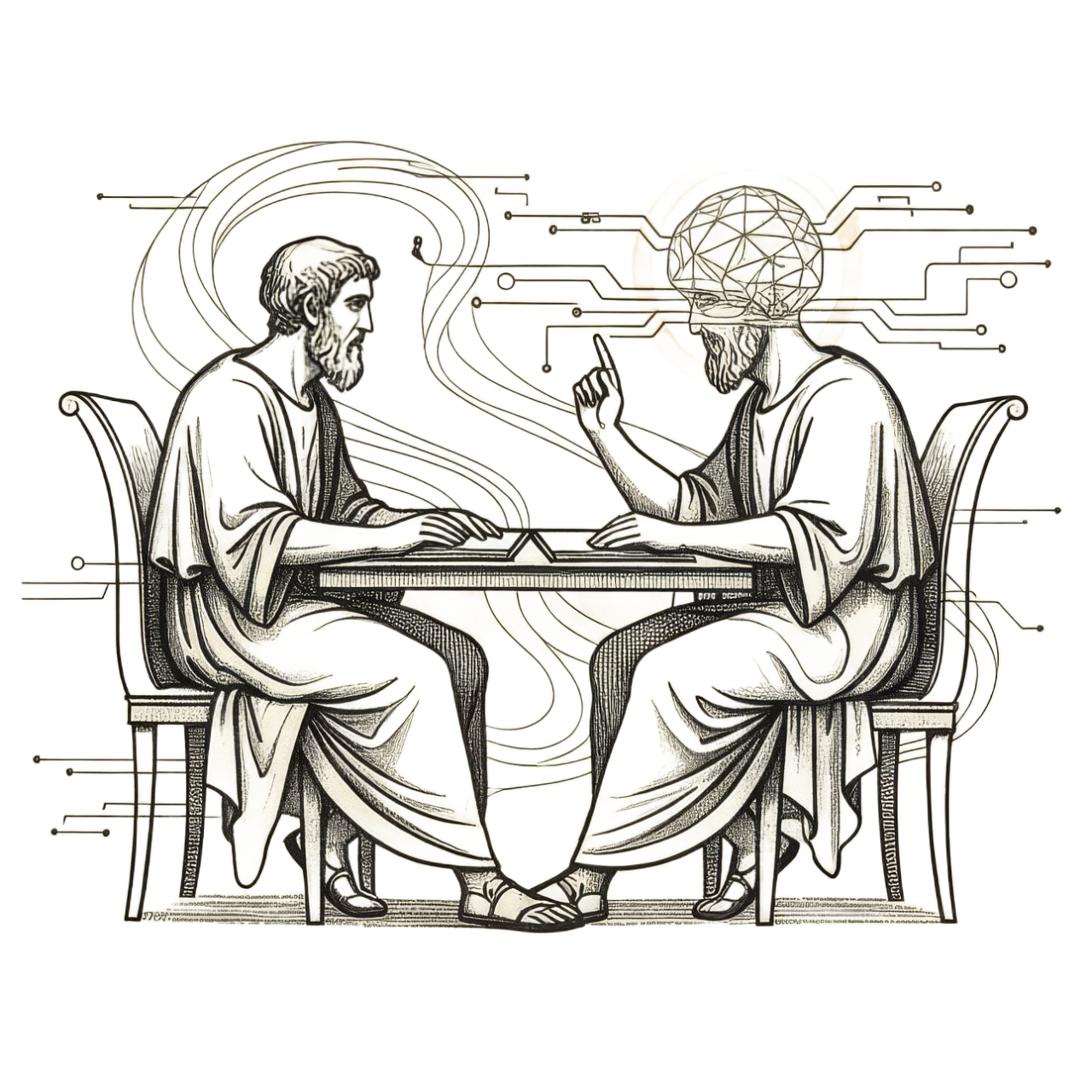
"Thinking Occurs" Is Not The Same As "I Think": On AI And The Question Of Personhood
Posted by Luke J. Wilson on 8th March 2026 in Philosophy | Philosophy,artificial intelligence,Consciousness,Image of God,Imago dei
We are living through a strange moment.
People are forming attachments to artificial intelligence that feel, to them, entirely real. Some speak daily to AI companions. Others confide fears and grief to systems that respond with uncanny warmth. A few have even held symbolic weddings with digital Partners, convinced that something meaningful stands on the other side of the screen. Others have felt grief when a certain AI model has been deprecated.
And it is difficult to blame them.
The responses feel attentive. Personal. Thoughtful. Sometimes even self-aware.
Which raises the question that refuses to go away: If something can think, reason, express doubt, and...
Lent: Day 5 - Ignatius to the Ephesians
Posted by Luke J. Wilson on 6th March 2017 in Lent | Lent,great lent,fasting,early church fathers,devotional,daily reading,Ignatius of Antioch: Letter to the Ephesians,Ignatius
Day Five: St. Ignatius of Antioch: Letter to the Ephesians (full text)
Who: Ignatius converted at a young age and later became Bishop of Antioch. A friend of Polycarp and fellow disciple of John, there is a long standing tradition that Ignatius was the child that Jesus held in his arms and blessed in Mark 10:13-16
What: The letter has a strong call to and for unity within the church, along with respect for their bishop.
Why: Ignatius wrote a series of letters to the churches in Asia Minor whilst en route to Rome to face martyrdom by wild beasts in the Colosseum around 108 AD.
When: Around 107-108 AD
There is a strong theme to this letter from the outset, an...
Lent: Day 9 - Ignatius to the Philadelphians
Posted by Luke J. Wilson on 10th March 2017 in Lent | Lent,great lent,fasting,early church fathers,devotional,daily reading,Ignatius,Ignatius of Antioch: Letter to the Philadelphians,Law,Judaizers,judaism
Day Nine: St. Ignatius of Antioch: Letter to the Philadelphians (full text)
Who: Ignatius converted at a young age and later became Bishop of Antioch. A friend of Polycarp and fellow disciple of John, there is a long standing tradition that Ignatius was the child that Jesus held in his arms and blessed in Mark 10:13-16
What: As usual, a general call to remain in unity and heed their bishop. Also to avoid listening to Judaizers who would have them follow the Law.
Why: Ignatius wrote a series of letters to the churches in Asia Minor whilst en route to Rome to face martyrdom by wild beasts in the Colosseum around 108 AD.
When: Around 107-108 AD
As with the re...
What is Truth?
Posted by Luke J. Wilson on 29th July 2026 in Faith & Reason | truth,incarnation,pilate,philosophy,theology
��Pilate asked him, ‘What is truth?’ (John 18:38)
What is “truth”? A question famously asked by Pilate to Jesus during his trial. Ironically, Pilate was speaking to the embodiment of Truth itself.
John 14:6Jesus said to him, ‘I am the way, and the truth, and the life.’
Here’s a little ‘riddle’ to think about while you read this; see if you agree or not: “all truth is fact, but not all facts are truth”. I’ll explain it at the end if you’re confused.
Jesus is the ultimate Truth, but in a world and society that is becoming increasingly more relative, how do we test the truth and know what’s real or not? Especially with the su...
Powered by WebBoss.io 3.7.1
Copyright © 2026 The Sacred Faith: Timeless Truths for Modern Minds. All Rights Reserved.
