
Blog Search Results


168 results for new book
found
within the Blog
6 displayed out of 168 (0.22seconds)Page 27 of 28
The Temptations of Jesus: Pride
Posted by Luke J. Wilson on 18th February 2018 in Lent | pride,temptation,Jesus,forty days,40 days,Lent,fasting,sin,wilderness,desert
Welcome to the first part of a short series I'm writing during Lent. We’re on the first Sunday of Lent, and so I’m going to be looking at the forty days that Jesus spent in the wilderness, and the temptations he endured. A new post will be up every Sunday, and you can view the series overview here: Lent 2018.
Mark 1:12-13And the Spirit immediately drove him out into the wilderness. He was in the wilderness forty days, tempted by Satan; and he was with the wild beasts; and the angels waited on him.
That’s all Mark has to say on that time Jesus spent there, and John doesn’t mention the forty days at all. That leaves only Luke and Matthew which mention th...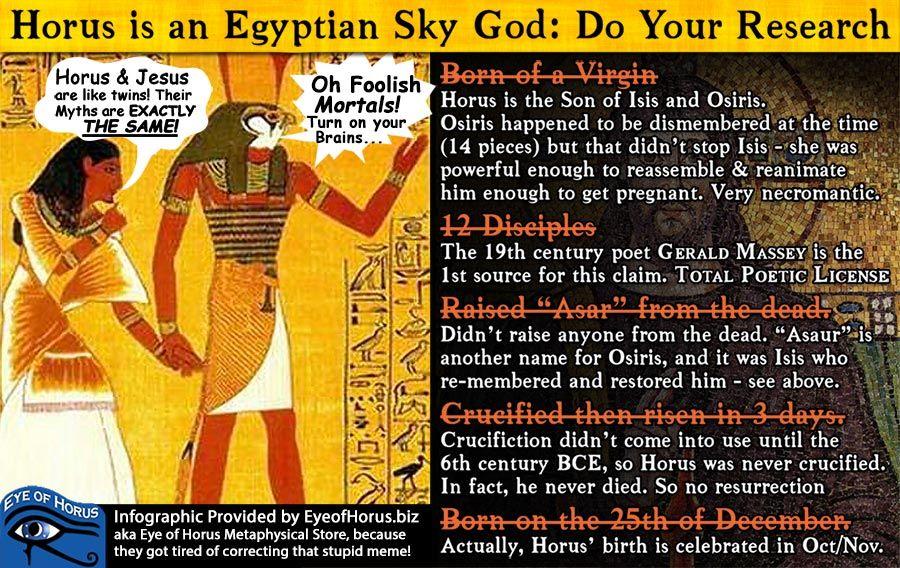
Horus, Jesus, and Egyptian Mythology: Separating Fact from Fiction
Posted by Luke J. Wilson on 22nd April 2023 in Mythology | Jesus,Horus,egyptian gods,mythology,Egyptian myths,apologetics
If you've ever found yourself immersed in the world of ancient Egyptian mythology or perhaps watching a documentary on the subject (or even just browsing social media around Christmas time), you might have come across the claim that the story of Jesus shares striking similarities with the story of Horus, an ancient Egyptian deity.
While it might seem convincing at first that there's a direct connection between the two, it's essential to understand that the similarities are often exaggerated in popular culture, and many scholars consider them vastly different. In this article, we'll explore the life of Horus, his birth, the miracles he performed, and the truth b...
What is Truth?
Posted by Luke J. Wilson on 29th July 2026 in Faith & Reason | truth,incarnation,pilate,philosophy,theology
��Pilate asked him, ‘What is truth?’ (John 18:38)
What is “truth”? A question famously asked by Pilate to Jesus during his trial. Ironically, Pilate was speaking to the embodiment of Truth itself.
John 14:6Jesus said to him, ‘I am the way, and the truth, and the life.’
Here’s a little ‘riddle’ to think about while you read this; see if you agree or not: “all truth is fact, but not all facts are truth”. I’ll explain it at the end if you’re confused.
Jesus is the ultimate Truth, but in a world and society that is becoming increasingly more relative, how do we test the truth and know what’s real or not? Especially with the su...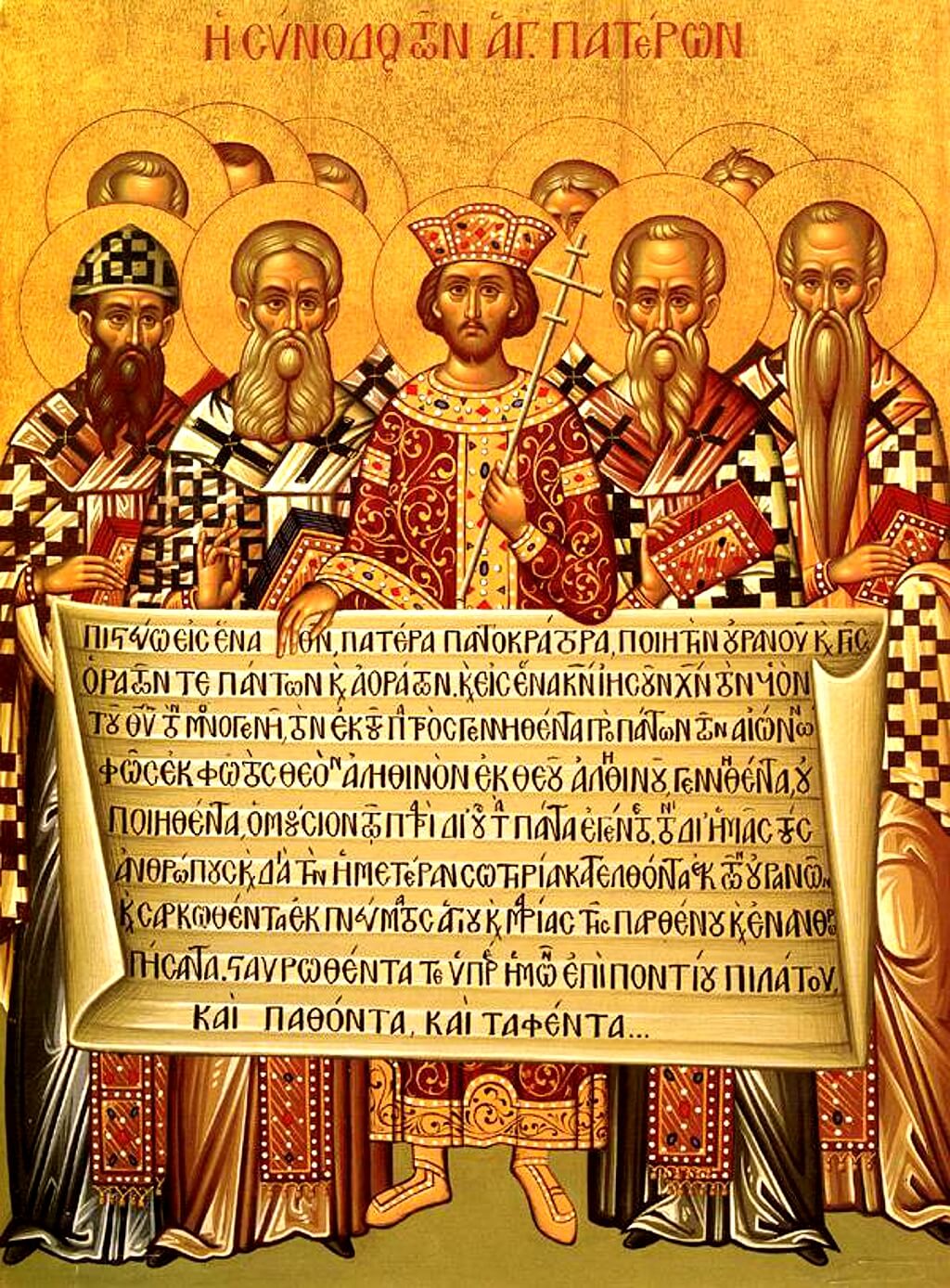
Creedal Christians: The Nicene Creed
Posted by Luke J. Wilson on 2nd June 2019 in Early Church | nicene creed,nicea council,creeds,creedal christians,creedal
The Nicene Creed — what is it and why is it called that?
This creed gets its name from a time and place: the first ecumenical Church council held at Nicaea, which is now known as İznik in northwestern Turkey, in 325 AD.
Now that may raise another question for you: what is an ecumenical council? Well, to explain more about the Nicene Creed, we are going to have to take a look at The First Council of Nicaea in order to better understand why this creed was written.
First things first though; an “ecumenical council” is ideally a Church-wide meeting where all the Bishops from all across the Church come together to hold a very large and very important meetin...
Did a Roman Catholic priest perform 'invalid' baptisms for years?
Posted by Luke J. Wilson on 21st February 2022 in Roman Catholicism | early church,early church fathers,Donatism,baptism,Vatican
You may have seen in the news lately, a Roman Catholic priest in Arizona, USA, has apparently performed “invalid” baptism for years, well over a decade, even.
Due to this, now thousands of people are stressing about whether their baptism counted or if they need to be re-baptised due to the error by Rev. Andres Arango! This has caused concern over the other sacraments these people have partaken in since their baptism, such as the Eucharist, and whether they should have even been allowed it. The Diocese of Phoenix is trying to identify people baptised by Arango so that they can track them down for re-baptism (and possibly, re-confirmation and whatever other r...
Jesus Like You've Never Seen Before - Discoveries from Early Christian Art
Posted by Luke J. Wilson on 13th May 2023 in Archaeology | archaeology,icons,Jesus,history,historical
I recently made a video on TikTok about what Jesus looks like in religious art and icons across various cultures, showing that people see Jesus as relatable to them and their people groups, and thus often depict Jesus looking the same as their own race. There was a comment made claiming that the Christ Pantocrator icon is exactly what Jesus looked like, and thus all others are wrong. If you’re wondering about the icon name, Pantocrator (Greek: Παντοκράτωρ) literally means “ruler of all”, but usually gets translated as “Almighty” or “all-powerful”.
The oldest known icon of Christ Pantocrator,6th-century encaustic icon fromSaint Catheri...
Powered by WebBoss.io 3.7.1
Copyright © 2026 The Sacred Faith: Timeless Truths for Modern Minds. All Rights Reserved.
