
Blog Search Results


176 results for triune god
found
within the Blog
6 displayed out of 176 (0.31seconds)Page 28 of 30

Creedal Christians: Introduction
Posted by Luke J. Wilson on 29th September 2018 in Early Church | creeds,creedal Christians,creedal,early church,church history
I’m starting a new four part series over the coming weeks which will be looking at the different historical creeds of the Church which have been recited, used and handed down for two millennia, beginning with the very first formal creed: the Apostles Creed. This series will be a mixture of historical background plus a commentary on the creed itself to see where each statement is based in Scripture, and why we can trust them to accurately portray the Faith.
What are creeds and why should we accept them?
The word “creed” comes from the Old English crēda, and from Latin crēdo meaning “I believe”. A creed is basically a set of beliefs which you profess...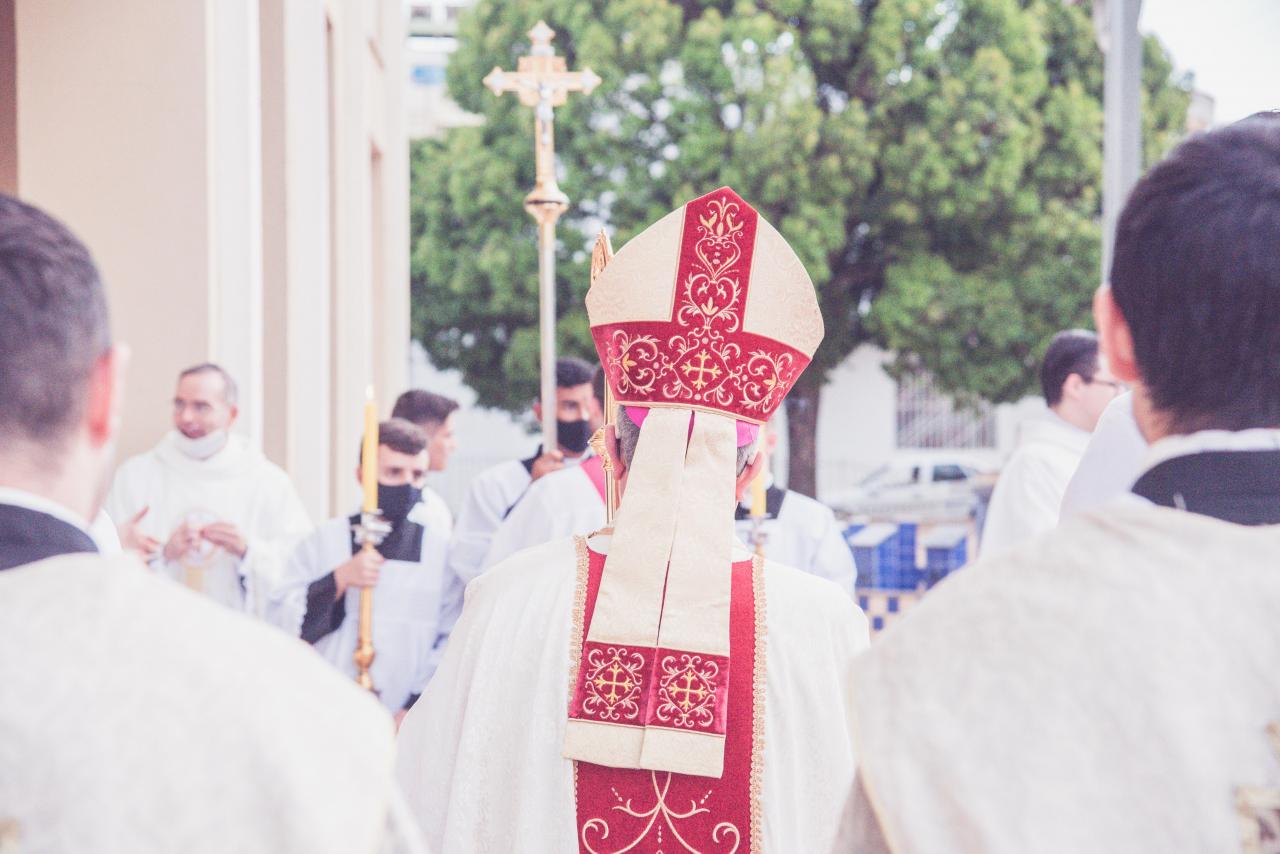
What does the word "Catholic" mean?
Posted by Luke J. Wilson on 8th March 2021 in Etymology | catholic,church fathers,church history,etymology,roman catholic,eastern orthodox,Great Schism,Muratorian Fragment
For many people today, non-Christians and (low church) Christians alike, when they hear the word “Catholic”, certain images spring to mind: the Pope, the rosery, Catholic school, big old churches buildings, choirboys, maybe monks or statues of Mary even; and sadly more recently, sex abuse scandals.
But, generally speaking, all of these are actually aspects of Roman Catholicism — a particular branch of Christianity, and not what the word “catholic” truly means as we’ll see when examining how the early church used the word and what the original Greek word means.
καθολικός (katholikos)
The Greek word where we get the English word “c...
Debunking the Myth: The Council of Nicaea and the Formation of the Biblical Canon
Posted by Luke J. Wilson on 20th November 2023 in Early Church | church history,council of nicaea,myths,debunked,canon,biblical canon
A myth that never seems to fade away: the idea that the Council of Nicaea, convened in 325 AD under the authority of Roman Emperor Constantine, played a pivotal role in establishing the Biblical canon. This notion suggests a conspiracy and power play orchestrated by a select group of elite bishops; a narrative popularised by works like Dan Brown’s Da Vinci Code. However, a closer examination reveals a lack of historical basis for this claim.
The Council of Nicaea and the Canon
Contrary to popular belief, there is no evidence that the Council of Nicaea discussed or established the Canon of Scripture, leading to the creation of the Bible. Early Christian cano...
What is Advent?
Posted by Luke J. Wilson on 1st December 2023 in Christmas | Advent,christmas,second coming,parousia
It’s that time of year when Christmas lights and decorations go up, things start to look a little more sparkly, and kids are getting ready to open their Advent Calendars.
But what exactly is “Advent”? You may be from a Church tradition which recognises this each year so are more familiar, but if not, you may be curious to know more about this ancient Christian tradition.
Advent, derived from the Latin “adventus,” signifying “coming” or “arrival,” stands as a sacred season deeply entrenched in the hearts of many Christians globally. This period of expectant waiting and preparation marks the initiation of the liturgical year in Western Christia...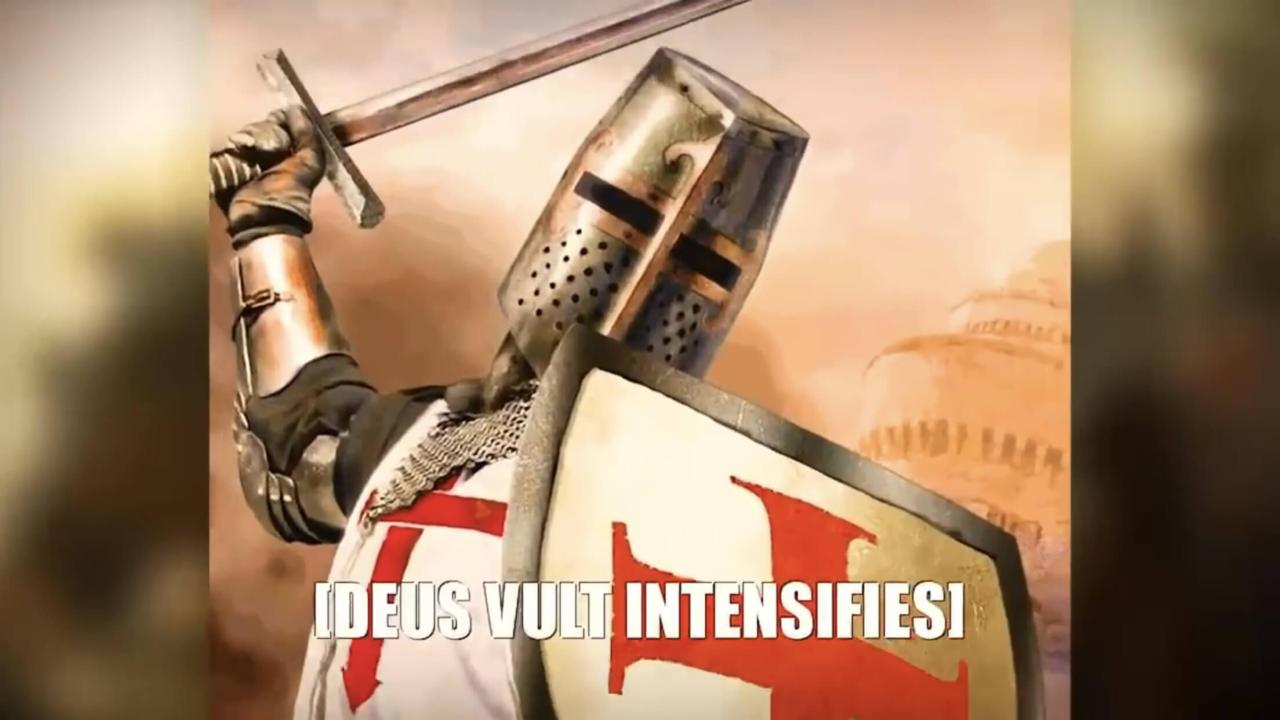
Debunking the Crusades: 5 Myths You Probably Believe
Posted by Luke J. Wilson on 14th October 2024 in Crusades | Crusades,Medieval,history,muslim
The Crusades have long been a topic distorted by myth, legend, and misconception, especially in modern pop culture and film. Movies and television often portray the Crusaders as either valiant knights on holy missions or brutal barbarians bent on conquest, feeding into a skewed image of the events. These simplistic portrayals fail to capture the complex motivations and historical realities of the Crusades.
The Guardian article about the Reconciliation Walk
One striking example of how these misunderstandings have influenced modern perceptions was the so-called Reconciliation Walk in 1999, marking the 900th anniversary of the First Crusade. Hundreds of Chris...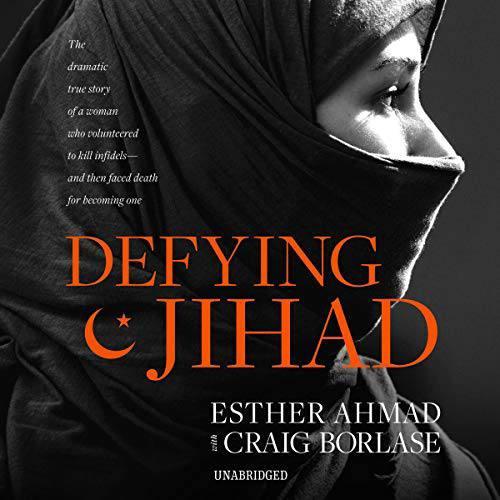
Doubting Defying Jihad: Questioning the Popular Conversion Story
Posted by KingsServant on 12th March 2025 in Islam | muslim,islam,guest post
This is a guest post by “KingsServant”
In 2019 a book called Defying Jihad was published by Tyndale House, the reputable Christian publisher telling the story of “Esther Ahmad” a pseudonym used by the author alongside her co-author Craig Borlase, who has previously written alongside, well known Christian personalities such as Matt Redman the singer and Andrew Brunson, an American pastor imprisoned by the Turkish government.
As I began to read this book over this past year I was expecting an encouraging account of how a former Jihadi found Christ and escaped her previous accomplices. Very quickly, however, I became uncomfortable, her descriptions of her...
Powered by WebBoss.io 3.7.1
Copyright © 2026 The Sacred Faith: Timeless Truths for Modern Minds. All Rights Reserved.
