
Blog Search Results


Did you mean:
tertullian
?
29 results for Tertullian
found
within the Blog
6 displayed out of 29 (0.74seconds)Page 3 of 5

Evidence of the Trinity in the Hebrew Scriptures
Posted by Arnold Fruchtenbaum on 8th November 2017 in Trinity | trinity,monotheism,shema,Jewish,Jews,Messiah,messianic,Jews for Jesus,jewsforjesus.org,tri-unity,creeds
...eresy by Tertullian around 213 AD, and later by the bishop of Rome around 262 AD. A more modern sect of Christians, often called "Oneness Pentecostals", still hold to this heretical doctrine today.
Now, to be clear: I do believe in the Trinity and accept that it is the orthodox position to hold. But that doesn't mean I've always fully grasped the concept. This is something Christians have struggled to define for centuries, hence the sometimes confusing and lengthy language of the creeds (see here, here, here and here for example).
So after reading this debate online with some Oneness believers, I decided to look more into the Trinity to try and get my head...
Fasting: A spiritual and physical discipline
Posted by Luke J. Wilson on 27th May 2019 in Fasting | fasting,didache,discipline,self control,Lent,early church,early church fathers
...uote from Tertullian (c.198) and Irenaeus (c.180), respectively, on the power of prayer and fasting:
“When, indeed, have droughts not been put away by our kneeling and our fastings?”
“When the entire church in that particular locality entreated God with much fasting and prayer, the spirit of the dead man has returned, and he has been bestowed in answer to the prayers of the saints.”
The general belief about fasting, which we can see in the early writings, also shows that the Church taught not only abstaining from food, but any evil deed, word or thought (Clement of Alexandria, c.195), and that during a fast, our prayers “ascend with more acc...When did Christians become so whiny?
Posted by Luke J. Wilson on 25th April 2014 in Christianity | persecution, news, Christians, whiny, Google, homosexuality, Early Church, Love, Church Fathers
...pology of Tertullian, AD 197
Though we have our treasure-chest, it is not made up of purchase-money, as of a religion that has its price. On the monthly day, if he likes, each puts in a small donation; but only if it be his pleasure, and only if he be able: for there is no compulsion; all is voluntary. These gifts are . . . not spent on feasts, and drinking-bouts, and eating-houses, but to support and bury poor people, to supply the wants of boys and girls destitute of means and parents, and of old persons confined now to the house; such, too, as have suffered shipwreck; and if there happen to be any in the mines or banished to the islands or shut up in the pri...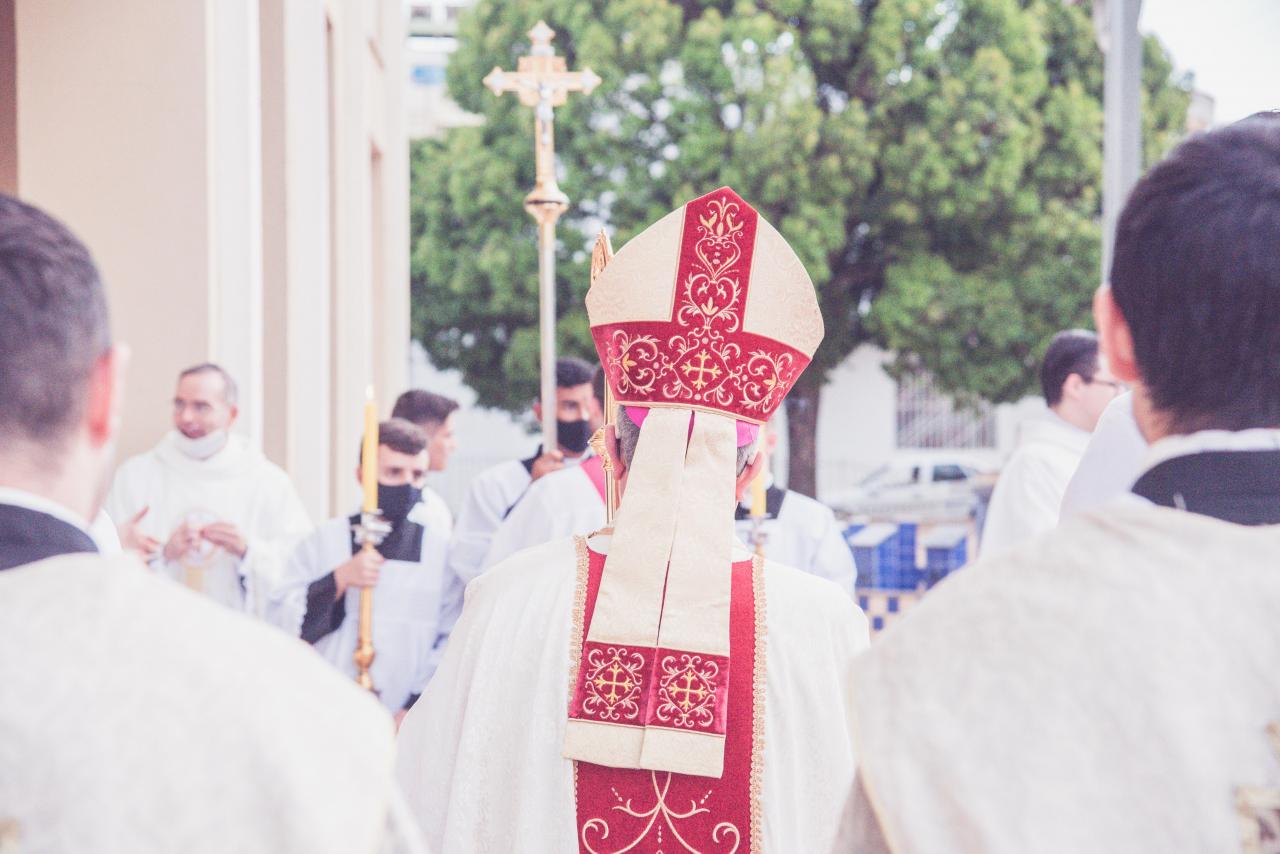
What does the word "Catholic" mean?
Posted by Luke J. Wilson on 8th March 2021 in Etymology | catholic,church fathers,church history,etymology,roman catholic,eastern orthodox,Great Schism,Muratorian Fragment
..., such as Tertullian A.D. 200 (The Prescription Against Heretics XXX), Clement of Alexandria A.D. 202 (The Stromata 7:17), Cyril of Jerusalem A.D. 315–386 (Catechetical Lectures, XVIII, 26), Jerome A.D. 418 (writing to Augustine), and Augustine of Hippo A.D. 354–430 (Against the Epistle of Manichaeus called Fundamental, ch. IV). Then we have Vincent of Lérins, who famously wrote in A.D. 434:
…in the Catholic Church itself, all possible care must be taken, that we hold that faith which has been believed everywhere, always, by all. For that is truly and in the strictest sense Catholic, which, as the name itself and the reason of the thing declare, compr...
Great Lent: The Season of Fasting
Posted by Luke J. Wilson on 13th February 2016 in Lent | Lent,Easter,Fasting,Prayer,early church,early church fathers,paganism,pagan roots
...uote from Tertullian (c.198) and Irenaeus (c.180), respectively, on the power of prayer and fasting:
“When, indeed, have droughts not been put away by our kneeling and our fastings?”
“When the entire church in that particular locality entreated God with much fasting and prayer, the spirit of the dead man has returned, and he has been bestowed in answer to the prayers of the saints.
The general belief about fasting, which we can see in the early writings, also shows that the Church taught not only abstaining from food, but any evil deed, word or thought (Clement of Alexandria, c.195), and that during a fast, our prayers “ascend with more acceptabil...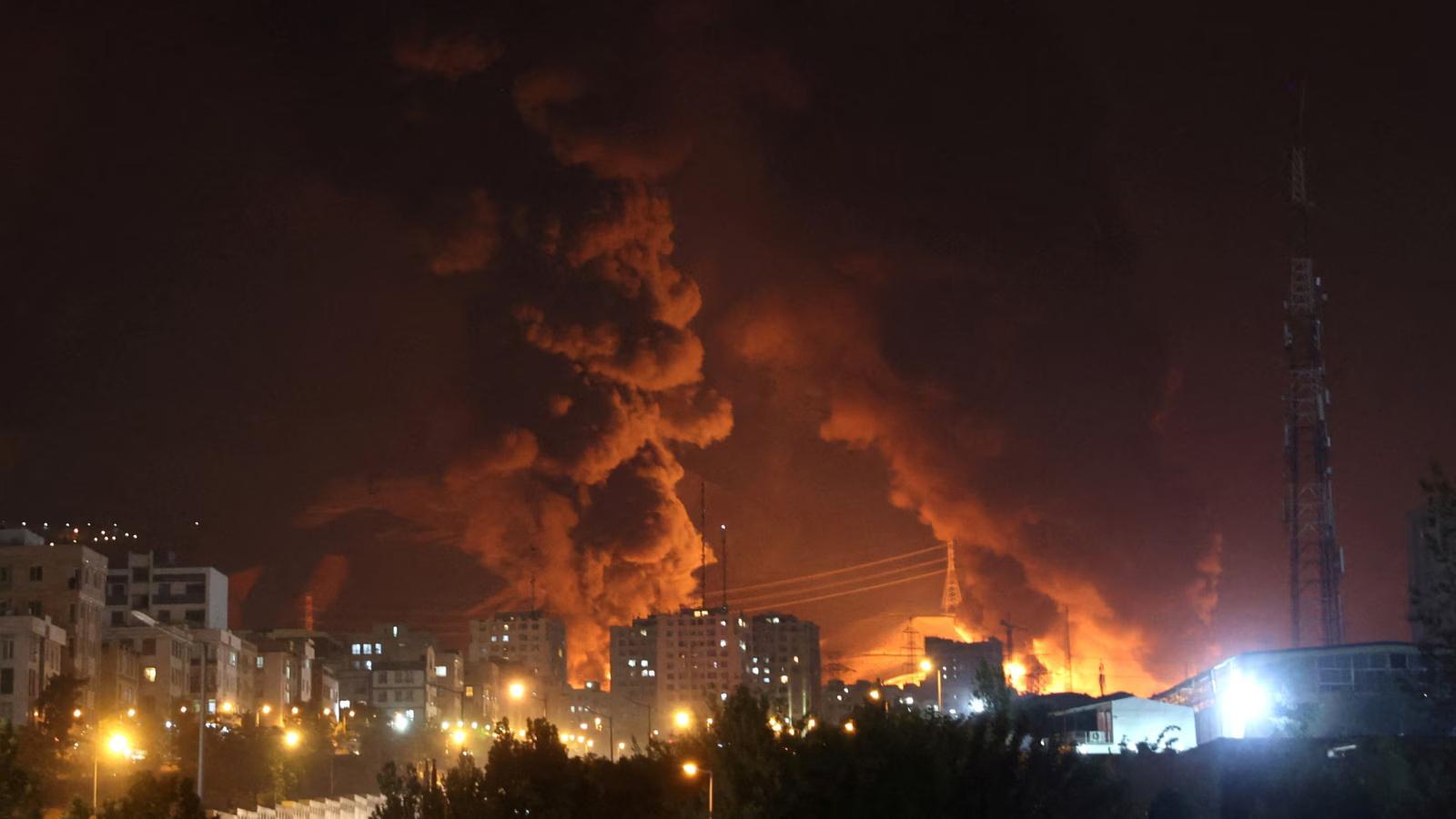
Armageddon Is Not A Battle Plan: What Revelation Actually Says — And Why It Matters Right Now
Posted by Luke J. Wilson on 12th March 2026 in Eschatology | politics,Trump,Donald Trump,evangelicalism,end times,armageddon,eschatology
...Something bizarre happened in the White House Oval Office this week. Photographs circulated on social media showing President Donald Trump seated at his desk, surrounded by approximately twenty Christian pastors from across the country, their hands extended towards him in prayer. The image provoked sharply divided reactions: some saw it as a moving expression of faith; others found it deeply unsettling. Whatever one makes of the optics, it arrived at a charged moment.
Trump held a prayer meeting in the Oval Office after his administration admitted the war with Iran will likely last weeks longer than promised | Credit: Dan Scavino's X account
Days earlier,...
Powered by WebBoss.io 3.7.1
Copyright © 2026 The Sacred Faith: Timeless Truths for Modern Minds. All Rights Reserved.
