
Blog Search Results


210 results for church history
found
within the Blog
6 displayed out of 210 (0.43seconds)Page 3 of 35

Does Easter Have Pagan Origins?
Posted by Luke J. Wilson on 22nd March 2021 in Easter | Easter,easter sunday,early church,church history,paganism,pagan roots,Ishtar,Eostre,fertility goddess
Much like any major Christian holiday, there are the usual arguments and accusations about how it’s all just pagan festivities with a “Christian mask”. Easter is no different, and usually gets hit the hardest over its so-called “pagan roots”, or in the month or so preceding it, Lent being some “invention of the Catholic church”.
Table of Contents
The Lenten Fast
The Easter controversy and why we celebrate it when we do
Is the Name “Easter” really the Anglo-Saxon goddess Eostre?
Chocolate eggs and bunnies?
Concluding Thoughts
Further Reading and Sources
I like to try and observe Lent, as it is one of the most ancient custom...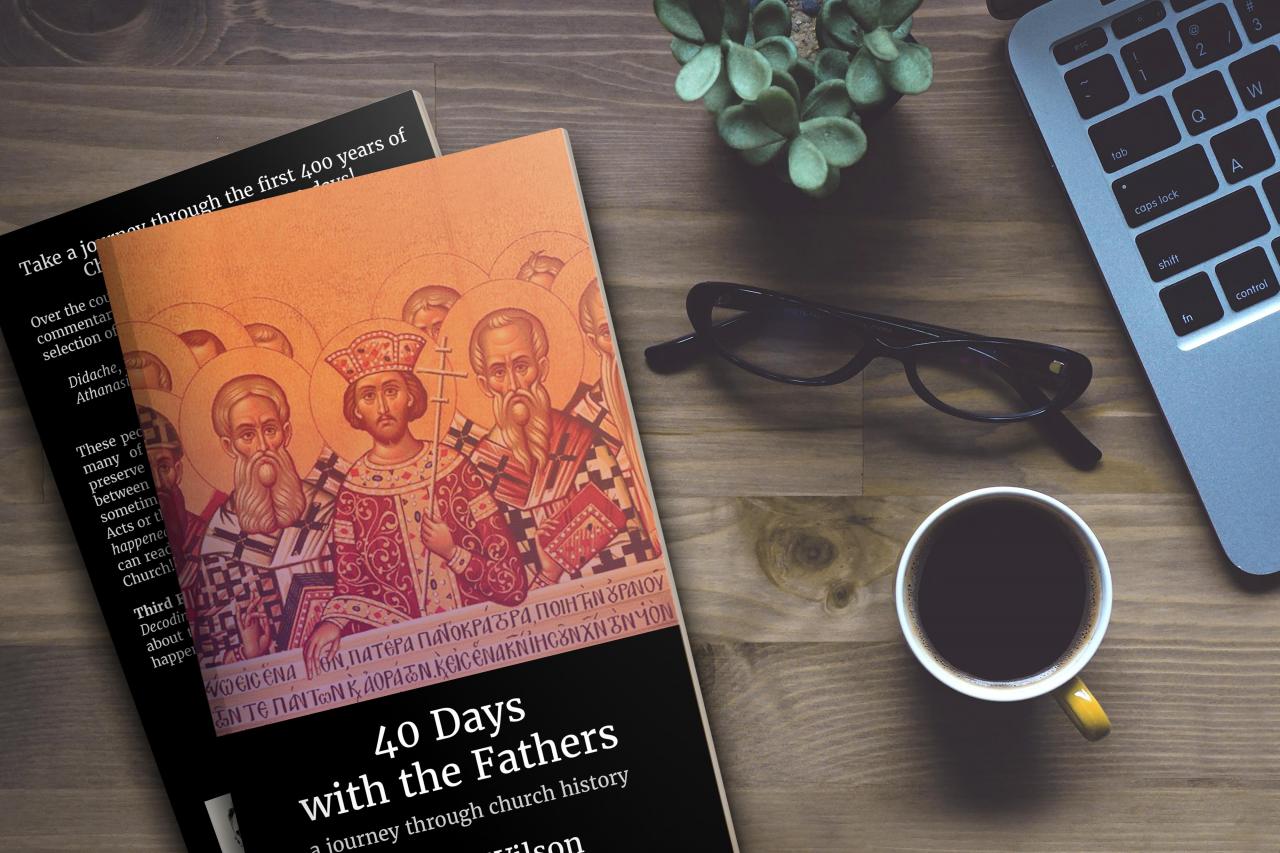
A Journey Through church history
Posted by Luke J. Wilson on 31st January 2022 in Book Release | church fathers,church history,book release,council of nicaea
After many, many months of working on this in between COVID and other “life events” that kept me busy, I’ve finally released the Third Edition of my book, 40 Day With the Fathers: A Journey Through church history!
The Third Edition includes: a foreword by Paul Pavao (author of Decoding Nicea), updated content and also a new chapter about the Council of Nicaea explaining what did (and didn’t) happen there.
“I cannot imagine there is a better way to get familiar with 350 of the most important years of church history in seven hours spread over 40 days.” — Paul Pavao, author of Decoding Nicea
If you are unfamiliar with my previous editions...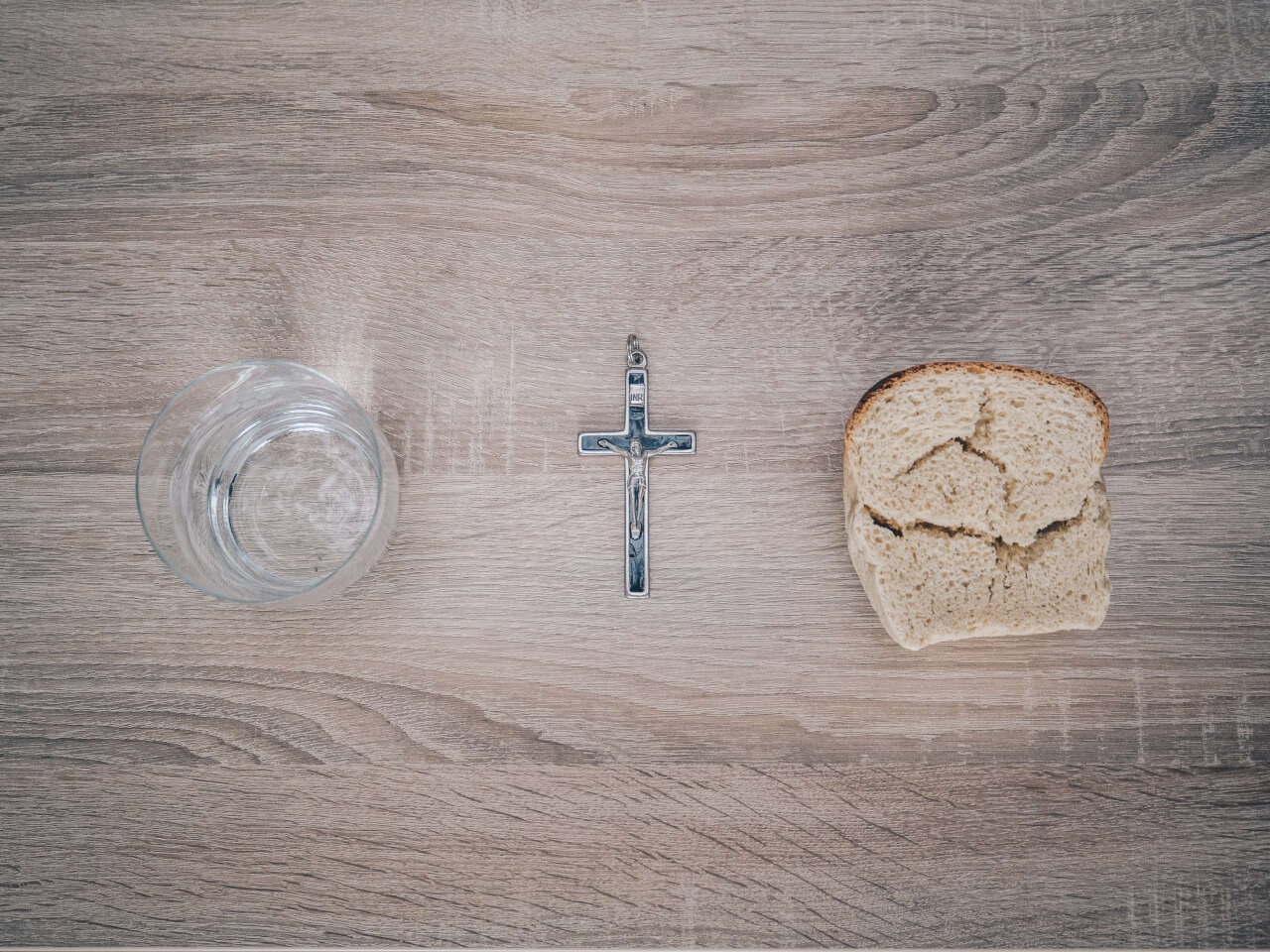
Fasting: A spiritual and physical discipline
Posted by Luke J. Wilson on 27th May 2019 in Fasting | fasting,didache,discipline,self control,Lent,early church,early church fathers
The topic of fasting often comes up in online discussion groups that I'm a part of, more often in Protestant circles where the practice is more often sidelined in low churches. So let's take a look at the practice of fasting from a practical and historical view, as it seems to be a spiritual discipline which has been pushed aside in many churches today, with prayer, worship and bible reading taking more precedence in a Christian's life instead (not that those are bad things to do!).
Why fast?
There are many reasons to fast, and recent studies have shown a lot of health benefits that can be derived from fasting. But on the spiritual side of life, there are also...
Is Halloween a Pagan Holiday?
Posted by Luke J. Wilson on 30th October 2017 in Halloween | halloween,all saints day,all hallows eve,early church,tradition,cultural and society,celebrations,festivals,holidays,holy day
It's that time of year when you begin to see various articles and debates online about Hallowe'en, and whether it's entirely pagan in origin and the church "stole it"; or if it's something that Christians should even have any part in.
Table of Contents
Origins of the holiday
Aren’t there pagan roots?
What about “Trick or Treat”, costumes and pumpkins?
In conclusion
To some people, the answer is a straightforward “no”, while others say it falls into the realm of Christian freedom and personal discernment. But what about if you're unsure or somewhere in the middle of those two positions, how should you decide what is the right thing to do?...
Lent Day 19: Cyprian: On the Unity of the church: 10-18
Posted by Luke J. Wilson on 22nd March 2017 in Lent | Lent,great lent,fasting,early church fathers,devotional,daily reading,Cyprian,Bishop of Carthage,unity
Day Nineteen: St. Cyprian: On the Unity of the church: 10-18
Who: Third century bishop of Carthage (in modern Tunisia), and martyr from Africa
What: A letter to encourage the unity of the church against schisms and heresy during massive Roman persecution
Why: A disturbance had happened in the church because of a priest called Novatian — a schismatic of the third century, and founder of the sect of the Novatians. Cyprian wrote to counter this and argues that there can only be one united church, and the Novatian breakaway was a false church and that Novatian was an antipope.When: Around 249 AD
You can find today’s reading on page 97 here: lentfatherscomple...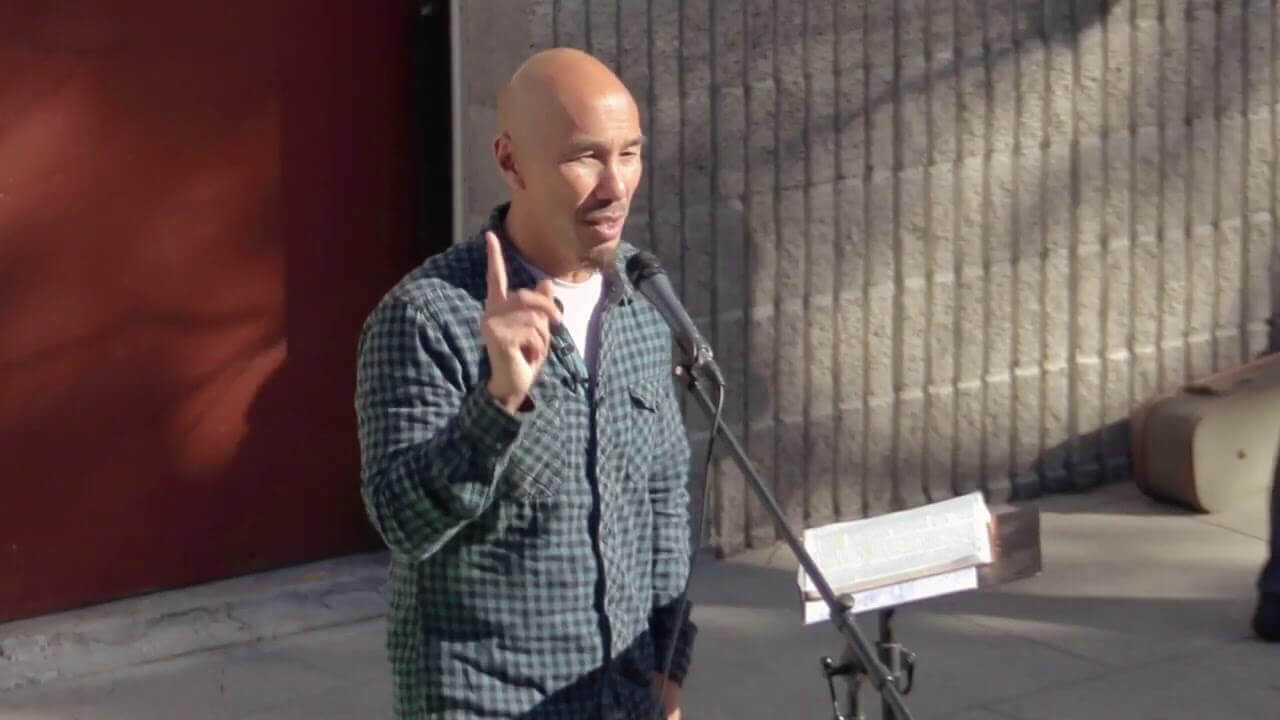
Francis Chan turns towards a more historical and ancient view of Communion
Posted by Luke J. Wilson on 14th January 2020 in General Interest | eucharist,communion,francis chan,church fathers,church history,controversy
...erview of church history:
“I didn’t know that for the first 1,500 years of church history, everyone saw it as the literal body and blood of Christ … And it wasn’t until 500 years ago that someone popularised the thought that it’s just a symbol and nothing more. I didn’t know that. I thought, ‘Wow, that’s something to consider.’”
This part isn’t too far from reality, really, though a little over-simplified. But I understand his zeal and excitement about this discovery of his, as I went through the exact same mind-blowing realisation around five or so years ago when I first delved into the writings of the Early church Fathers and was force...
Powered by WebBoss.io 3.7.1
Copyright © 2026 The Sacred Faith: Timeless Truths for Modern Minds. All Rights Reserved.
