
Blog Search Results


Did you mean:
creedal christians
?
115 results for creedal Christians
found
within the Blog
6 displayed out of 115 (2.75seconds)Page 3 of 20

The Historic Practice of Abortion and How Ancient Christians Responded
Posted by Luke J. Wilson on 1st July 2022 in Abortion | abortion,roe v wade,church history,current events,theology,politics,Why Are Christians Against Abortion?
It’s no secret that the majority of Christians are against abortion, no matter where you look in the world. But nowhere has the issue come to more of a head than in the US recently with the overturning of Roe v Wade, which had made abortion legal across the country. Now abortion is no longer a federal constitutional right, but individual states now have the authority to determine the legality and rulings around abortion.
Christian opposition to abortion in America has always been a heated topic, especially in recent decades, but this isn’t a novelty within the Church in America, or globally, and has been a position of the faithful for about 2000 years. Even...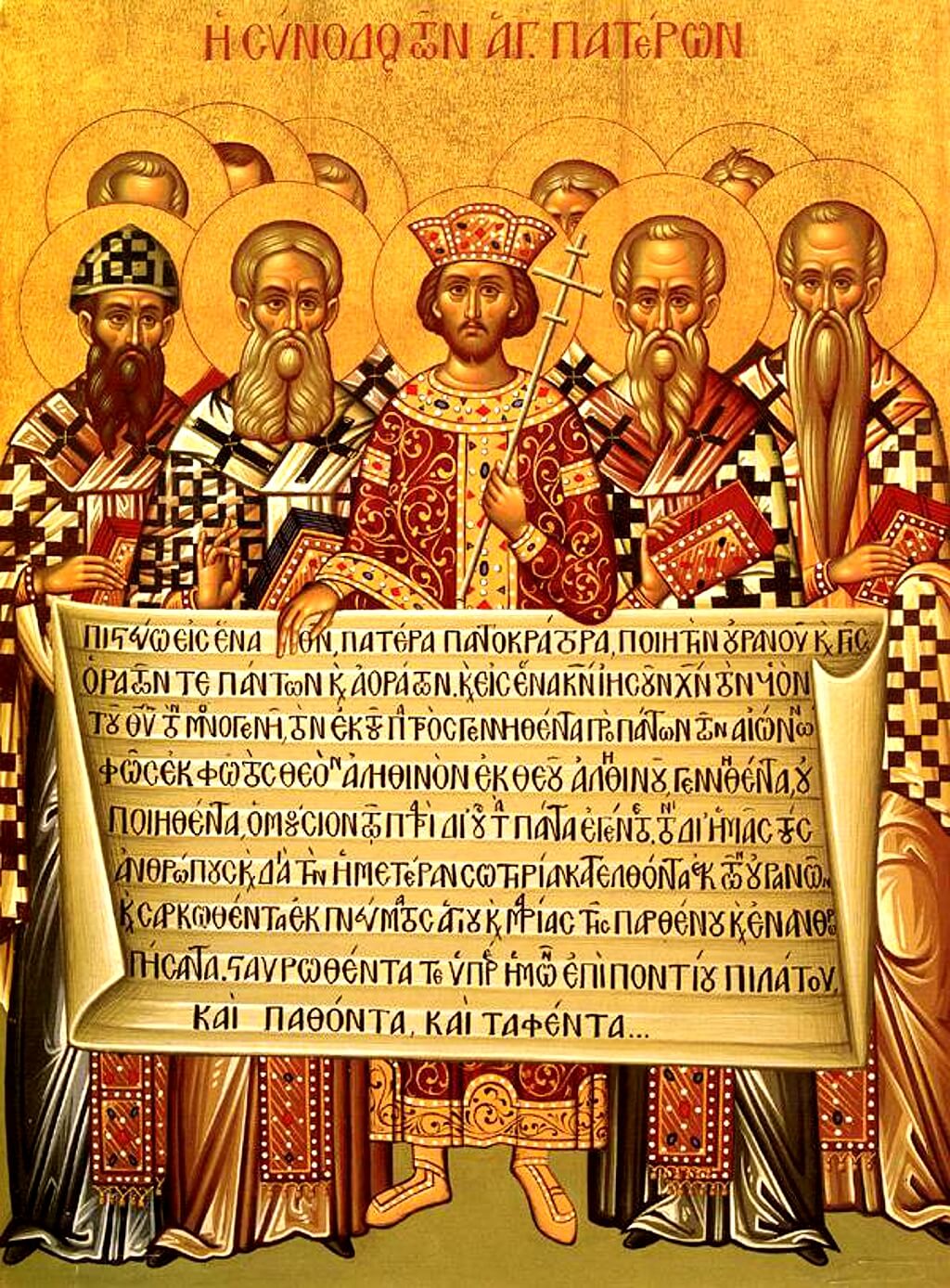
creedal Christians: The Nicene Creed
Posted by Luke J. Wilson on 2nd June 2019 in Early Church | nicene creed,nicea council,creeds,creedal Christians,creedal
The Nicene Creed — what is it and why is it called that?
This creed gets its name from a time and place: the first ecumenical Church council held at Nicaea, which is now known as İznik in northwestern Turkey, in 325 AD.
Now that may raise another question for you: what is an ecumenical council? Well, to explain more about the Nicene Creed, we are going to have to take a look at The First Council of Nicaea in order to better understand why this creed was written.
First things first though; an “ecumenical council” is ideally a Church-wide meeting where all the Bishops from all across the Church come together to hold a very large and very important meetin...
Great Lent: The Season of Fasting
Posted by Luke J. Wilson on 13th February 2016 in Lent | Lent,Easter,Fasting,Prayer,early church,early church fathers,paganism,pagan roots
Fasting
A spiritual and physical discipline
If you are looking for a Lenten reading plan, make sure to check out my book, 40 Days with the Fathers: A Journey Through Church History, which will take you through the first 400 years of church history in forty days!
Lent is upon us once again (according to Western tradition), and so I thought it’d be good to write something on the discipline of fasting, which is often neglected or overlooked in many Protestant churches.
And much like any major holiday, there is the usual arguments and accusations about how it's all just pagan festivities with a "Christian mask". Easter is no different, and usually gets hit...
A Historic Easter Change Is Coming — But Will Protestants Get On Board?
Posted by Luke J. Wilson on 29th January 2025 in Easter | current events,easter,history,ecumenical,roman catholic,eastern orthodox,Anglican
Pope Francis has recently expressed the Catholic Church’s willingness to accept a unified date for Easter, a move aimed at fostering greater Christian unity, particularly with the Orthodox Church. This long-standing issue arises from the different calendars used by Western and Eastern Christian traditions — the Gregorian and Julian calendars — leading to discrepancies in Easter celebrations. Talks between Catholic and Orthodox leaders have intensified, hoping a common date could be agreed upon. However, this raises important questions for Protestant denominations regarding whether they would adopt the unified date or risk falling out of alignment w...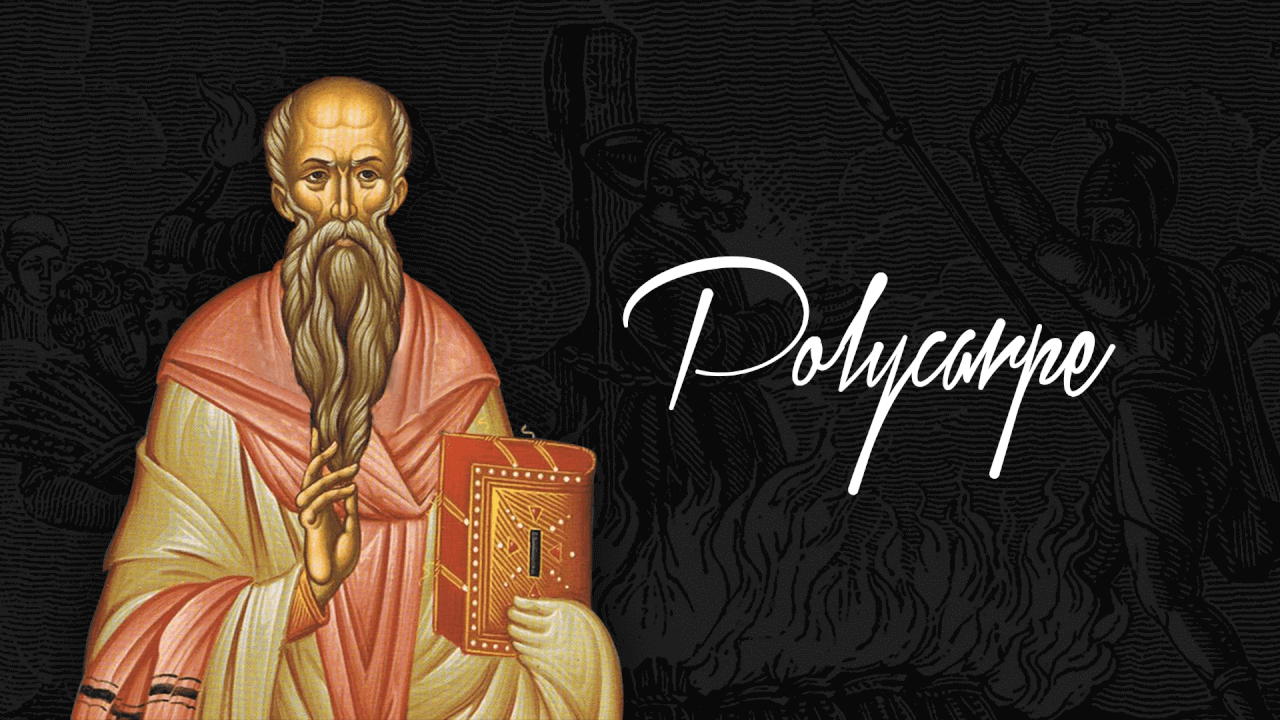
How Polycarp (And Others) Show The Early Use Of The New Testament
Posted by Luke J. Wilson on 21st November 2021 in Early Church | early church,early church fathers,polycarp,new testament,canon,biblical canon
Polycarp is one of the most important people in early church history. He was a disciple of John the Evangelist, and later became the bishop of Smyrna.
Polycarp was born around 69 A.D. in Smyrna, which is now modern-day Turkey. He grew up during a time when Christians were being persecuted for their beliefs, and he himself became a Christian at a young age. Polycarp is regarded as one of the earliest church fathers because he had a significant impact on Christianity as it spread throughout Asia Minor and Europe, and he also played an important role in shaping biblical canon for centuries to come.
We don’t know a great deal about his life, apart from t...
Lent: Day 3 - Mathetes to Diognetus, pt. 2
Posted by Luke J. Wilson on 3rd March 2017 in Lent | Lent,great lent,fasting,early church fathers,devotional,daily reading,epistle of mathetes to diognetus
Day three: Epistle of Mathetes to Diognetus: Chaps. 7-12
Who: Anonymous author, “mathetes” is not a name, but is the Greek word for “a disciple”
What: possibly one of the earliest examples of a Christian apologetic defending the faith from its accusers, written to someone interested in learning more about the faith and its customs
Why: The Christian faith was under attack and ridicule in the early centuries, many things about the Church were misunderstood and so various Christians took to writing apologetic's (defences) to clarify doctrines and beliefs from being maligned.
When: Estimated between AD 130 and late 2nd century
Today's reading is the...
Powered by WebBoss.io 3.7.1
Copyright © 2026 The Sacred Faith: Timeless Truths for Modern Minds. All Rights Reserved.
