
Blog Search Results


78 results for human suffering
found
within the Blog
6 displayed out of 78 (0.52seconds)Page 3 of 13

Lent Day 21: Athanasius: Life of Anthony: Chaps. 1-10
Posted by Luke J. Wilson on 24th March 2017 in Lent | Lent,great lent,fasting,early church fathers,devotional,daily reading,Athanasius,Bishop of Alexandria,Confessor,Doctor of the Church,Anthony the Great
Day Twenty-one: St. Athanasius: Life of Anthony: Chaps. 1-10
Who: Bishop of Alexandria; Confessor and Doctor of the Church; born c. 296; died 2 May, 373 AD. He was the main defender of orthodoxy in the 4th-century battle against the Arianism heresy. Certain writers received the title “Doctor” on account of the great advantage their doctrine had on the whole Church, Athanasius especially for his doctrine on the incarnation.
What: The biography of Anthony the Great’s life, which helped to spread the concept of Christian monasticism, particularly in Western Europe.
Why: From the letter’s own prologue: “The life and conversation of our holy Father, A...
Lent Day 23: Athanasius: Life of Anthony: Chaps. 21-30
Posted by Luke J. Wilson on 27th March 2017 in Lent | Lent,great lent,fasting,early church fathers,devotional,daily reading,Athanasius,Bishop of Alexandria,Confessor,Doctor of the Church,Anthony the Great,demons,demonology
Day Twenty-three: St. Athanasius: Life of Anthony: Chaps. 21-30
Who: Bishop of Alexandria; Confessor and Doctor of the Church; born c. 296; died 2 May, 373 AD. He was the main defender of orthodoxy in the 4th-century battle against the Arianism heresy. Certain writers received the title “Doctor” on account of the great advantage their doctrine had on the whole Church, Athanasius especially for his doctrine on the incarnation.
What: The biography of Anthony the Great’s life, which helped to spread the concept of Christian monasticism, particularly in Western Europe.
Why: From the letter’s own prologue: “The life and conversation of our holy Father...
Lent: Day 3 - Mathetes to Diognetus, pt. 2
Posted by Luke J. Wilson on 3rd March 2017 in Lent | Lent,great lent,fasting,early church fathers,devotional,daily reading,epistle of mathetes to diognetus
Day three: Epistle of Mathetes to Diognetus: Chaps. 7-12
Who: Anonymous author, “mathetes” is not a name, but is the Greek word for “a disciple”
What: possibly one of the earliest examples of a Christian apologetic defending the faith from its accusers, written to someone interested in learning more about the faith and its customs
Why: The Christian faith was under attack and ridicule in the early centuries, many things about the Church were misunderstood and so various Christians took to writing apologetic's (defences) to clarify doctrines and beliefs from being maligned.
When: Estimated between AD 130 and late 2nd century
Today's reading is the...
Lent Day 30: Cyril of Jerusalem: Catechetical Lectures: Lecture XIX
Posted by Luke J. Wilson on 4th April 2017 in Lent | Lent,great lent,fasting,early church fathers,devotional,daily reading,Doctor of the Church,lectures,liturgy,catechism,Bishop of Jerusalem
Day Thirty: St. Cyril of Jerusalem: Catechetical Lectures: Lecture XIX
Who: Bishop of Jerusalem and Doctor of the Church, born about 315; died probably 18 March, 386. Little is known of his life, except from his younger contemporaries, Epiphanius, Jerome, and Rufinus, as well as from the fifth-century historians, Socrates, Sozomen and Theodoret.
What: Each of the lectures deal with a different topic to teach converts the mysteries of the Church, particularly: rites of the renunciation of Satan and his works, of anointing with oil, of baptism, of anointing with the holy chrism, and of partaking of the body and blood of Christ.
Why: Cyril delivered to new conve...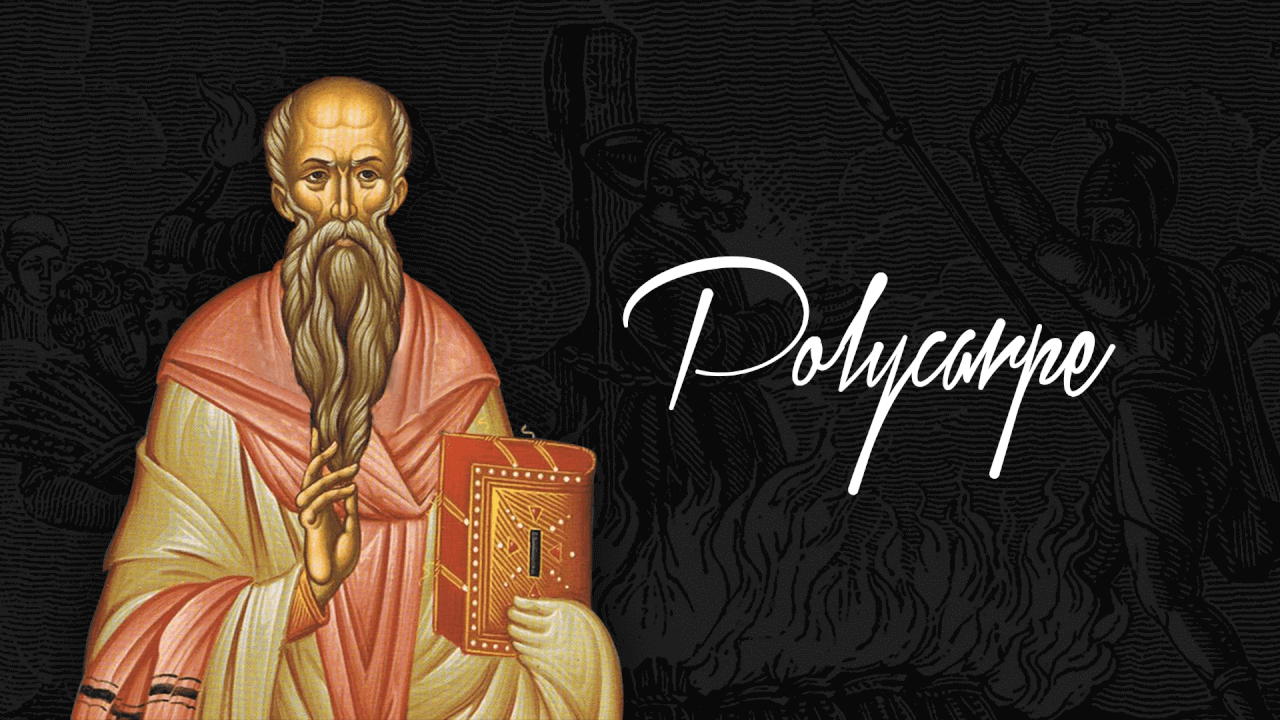
How Polycarp (And Others) Show The Early Use Of The New Testament
Posted by Luke J. Wilson on 21st November 2021 in Early Church | early church,early church fathers,polycarp,new testament,canon,biblical canon
Polycarp is one of the most important people in early church history. He was a disciple of John the Evangelist, and later became the bishop of Smyrna.
Polycarp was born around 69 A.D. in Smyrna, which is now modern-day Turkey. He grew up during a time when Christians were being persecuted for their beliefs, and he himself became a Christian at a young age. Polycarp is regarded as one of the earliest church fathers because he had a significant impact on Christianity as it spread throughout Asia Minor and Europe, and he also played an important role in shaping biblical canon for centuries to come.
We don’t know a great deal about his life, apart from t...
Before The Pumpkins: Faith In The Flames
Posted by Luke J. Wilson on 25th October 2025 in Halloween | polycarp,martyrdom,halloween
Picture the scene: the year is somewhere around 155–160, Polycarp has just been arrested and brought to the city. The crowd roared in the stadium. The smell of sweat and fear mingled with the dust of Smyrna’s arena. And in the centre of it all stood an old man — calm, unflinching, his face marked with years of faith. The Roman proconsul urged him again: “Swear by the fortune of Caesar. Curse Christ, and I will release you.”
Polycarp looked him in the eye and replied with a defiant response that has echoed down the ages,
Eighty and six years I have served Him, and He has done me no wrong. How can I blaspheme my King who saved me?
Those words hav...
Powered by WebBoss.io 3.7.1
Copyright © 2026 The Sacred Faith: Timeless Truths for Modern Minds. All Rights Reserved.
