
Blog Search Results


136 results for lord's prayer
found
within the Blog
6 displayed out of 136 (0.47seconds)Page 3 of 23

7 things the Lord hates (spoiler: questioning doctrine isn't one of them)
Posted by Luke J. Wilson on 2nd May 2014 in Christianity | gay marriage,homosexuality,Jars of Clay,Dan Haseltine,controversy,in the news,ethics,morality,justice
By now, most people (in Christian circles, at least) will have heard about the Jars of Clay controversy. For those that are thinking "how on earth could there be controversy over some jars?" let me clarify: they are a contemporary Christian music band. The controversy is because the frontman, Dan Haseltine, tweeted some thoughts on the topic of gay marriage.
Shocking, I know.
This is what started it all:
The treatment of people as less than human based on the color of skin is crazy... Or gender, or sexual orientation for that matter.
— Dan Haseltine (@scribblepotemus) April 21, 2014
Not meaning to stir things up BUT... I...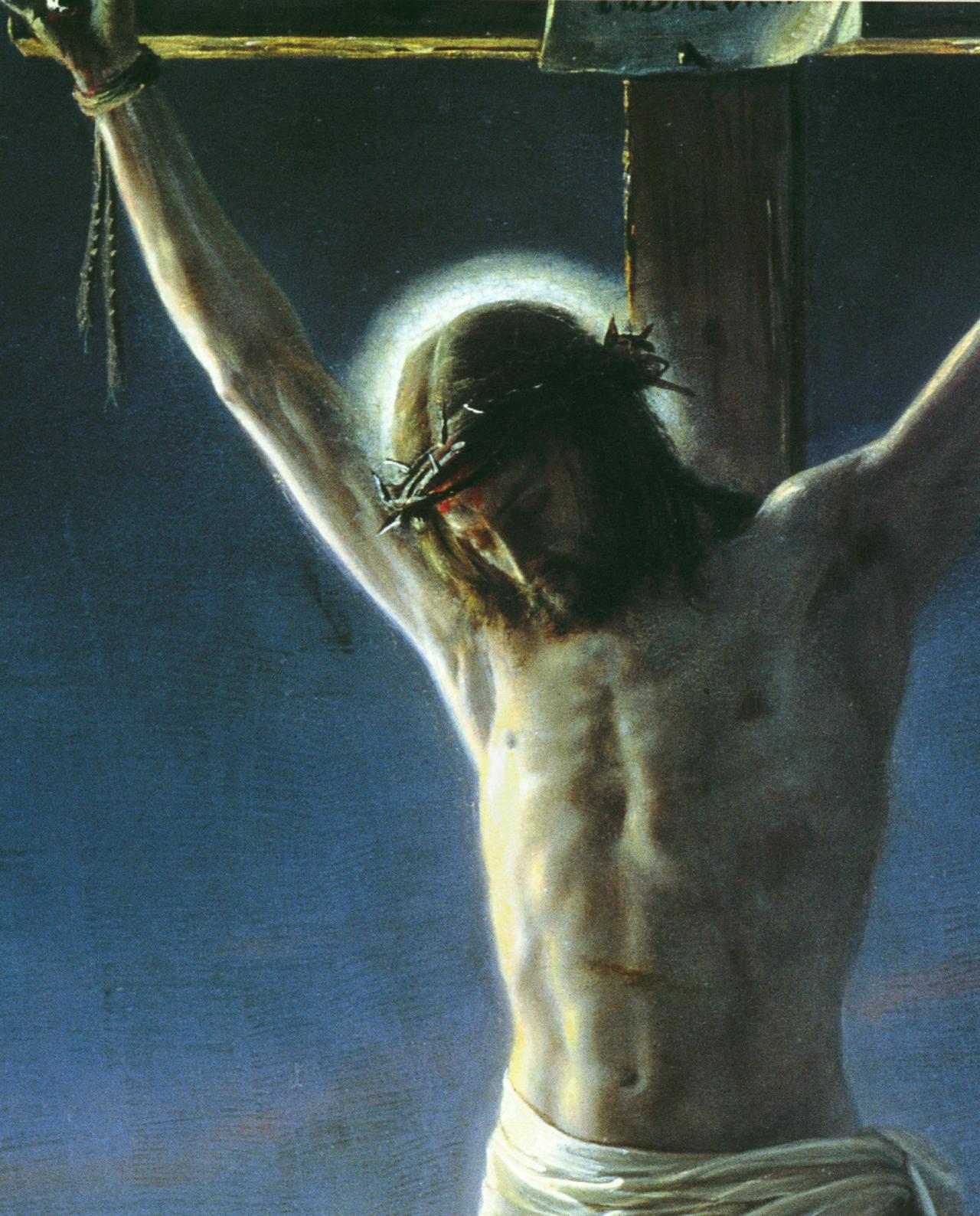
7 Ways Jesus Reverses the Curse From Eden
Posted by Luke J. Wilson on 8th April 2023 in Easter | Easter,crucifixion,gospel,kingdom of god,curse,genesis,creation
Everything about the Kingdom of God is a reversal of worldly powers (servant leadership, first shall be last, etc.). God’s ways are opposed to the World’s ways.
Likewise, everything about the Gospel is a reversal of what went wrong in the beginning of creation and nowhere is this highlighted more than during the Passion, crucifixion and resurrection of Jesus. So here are seven ways in which Jesus reverses all the mistakes and curses from creation.
1. The disobedience in the Garden of Eden is now rectified by the obedience of Jesus in the Garden of Gethsemane.
Genesis 3:11Have you eaten from the tree of which I commanded you not to eat?
Luke 22:42...
Lent Day 34: Cyril of Jerusalem: Catechetical Lectures: Lecture XXIII
Posted by Luke J. Wilson on 8th April 2017 in Lent | Lent,great lent,fasting,early church fathers,devotional,daily reading,Doctor of the Church,lectures,liturgy,catechism,Bishop of Jerusalem,Eucharist,lord's prayer
Day Thirty-four: St. Cyril of Jerusalem: Catechetical Lectures: Lecture XXIII
Who: Bishop of Jerusalem and Doctor of the Church, born about 315; died probably 18 March, 386. Little is known of his life, except from his younger contemporaries, Epiphanius, Jerome, and Rufinus, as well as from the fifth-century historians, Socrates, Sozomen and Theodoret.
What: Each of the lectures deal with a different topic to teach converts the mysteries of the Church, particularly: rites of the renunciation of Satan and his works, of anointing with oil, of baptism, of anointing with the holy chrism, and of partaking of the body and blood of Christ.
Why: Cyril delivered to ne...
Lent Day 24: Athanasius: Life of Anthony: Chaps. 31-40
Posted by Luke J. Wilson on 28th March 2017 in Lent | Lent,great lent,fasting,early church fathers,devotional,daily reading,Athanasius,Bishop of Alexandria,Confessor,Doctor of the Church,Anthony the Great,demons,demonology
Day Twenty-four: St. Athanasius: Life of Anthony: Chaps. 31-40
Who: Bishop of Alexandria; Confessor and Doctor of the Church; born c. 296; died 2 May, 373 AD. He was the main defender of orthodoxy in the 4th-century battle against the Arianism heresy. Certain writers received the title “Doctor” on account of the great advantage their doctrine had on the whole Church, Athanasius especially for his doctrine on the incarnation.
What: The biography of Anthony the Great’s life, which helped to spread the concept of Christian monasticism, particularly in Western Europe.
Why: From the letter’s own prologue: “The life and conversation of our holy Father,...
Lent Day 40: Leo the Great: Sermon LXXII: ON THE lord's RESURRECTION, II
Posted by Luke J. Wilson on 15th April 2017 in Lent | Lent,great lent,fasting,early church fathers,devotional,daily reading,Doctor of the Church,lectures,Leo the Great,St Leo,Pope Leo I,sermon,resurrection,easter,easter sunday
Day Forty: St. Leo the Great: Sermon LXXII: ON THE lord's RESURRECTION, II
Who: Leo the Great, also known as Pope St. Leo I (the Great), was Pope from 440-61 AD. Place and date of birth unknown; died 10 November, 461. Leo's pontificate, next to that of St. Gregory I, is the most significant and important in Christian antiquity, as he tried to combat the heresies which seriously threatened church unity even in the West, such as Pelagianism.
What: A sermon on the Gospel, incarnation and resurrection of our Lord.
Why: To encourage the Church in the power of the incarnation and the true faith and the nature of Christ and to give a new meaning to Passover in lig...
Does Christmas have pagan origins?
Posted by Luke J. Wilson on 19th December 2019 in Christmas | christmas,xmas,origins,pagan,pagan roots,church fathers,church history,Saturnalia,Epiphany,Annunciation,Tertullian,Origen,john chrysostom,incarnation,liturgical calendar,church calendar,festivals
For most people, the question of the origins of Christmas is probably far from their minds. Some may recognise and give a cursory glance towards the Biblical narrative on the birth of Jesus as something to do with it (although a 2017 study showed that almost 1 in 20 Brits thought Easter was the birth of Jesus!);—but in some Christian circles the question (accusation?) that “Christmas is pagan” is at the forefront of their minds.
Table of Contents
When was December 25th celebrated?
The Christian Calendar
Concluding Thoughts
Bonus Information
Further Reading & Sources:
As time goes on and we move further and further into the future,...
Powered by WebBoss.io 3.7.1
Copyright © 2026 The Sacred Faith: Timeless Truths for Modern Minds. All Rights Reserved.
