
Blog Search Results


153 results for new creation
found
within the Blog
6 displayed out of 153 (0.33seconds)Page 3 of 26
An Examination of Conditional Immortality (Part One)
Posted by Luke J. Wilson on 25th May 2020 in Hell | Conditional Immortality,Annihilationism,church fathers,church history,Hell,theology
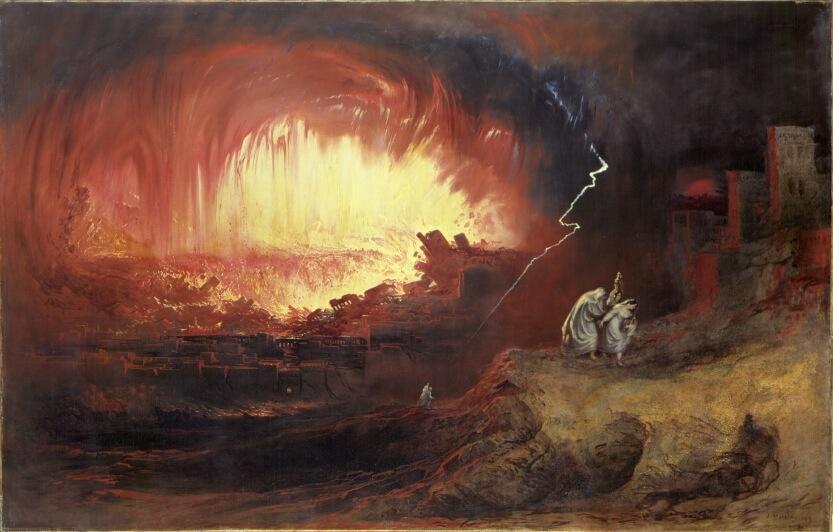
I know that "Conditional Immortality" is quite a divisive topic, and one you may have come across before (sometimes referred to as “Annihilationism”); and have been told outright that it’s “heresy” or false, or that it’s an emotional argument people want to believe because it ‘sounds nicer’ than the doctrine of Eternal Conscious Torment (ECT). Or maybe you’ve never even heard of this before and you didn’t realise there were alternative interpretations and views on hell. If you are new to this, in brief it means that “the wicked” will be removed from existence after judgement and finite torment, rather than living forever in torment.
Any...
Does Christmas have pagan origins?
Posted by Luke J. Wilson on 19th December 2019 in Christmas | christmas,xmas,origins,pagan,pagan roots,church fathers,church history,Saturnalia,Epiphany,Annunciation,Tertullian,Origen,john chrysostom,incarnation,liturgical calendar,church calendar,festivals
For most people, the question of the origins of Christmas is probably far from their minds. Some may recognise and give a cursory glance towards the Biblical narrative on the birth of Jesus as something to do with it (although a 2017 study showed that almost 1 in 20 Brits thought Easter was the birth of Jesus!);—but in some Christian circles the question (accusation?) that “Christmas is pagan” is at the forefront of their minds.
Table of Contents
When was December 25th celebrated?
The Christian Calendar
Concluding Thoughts
Bonus Information
Further Reading & Sources:
As time goes on and we move further and further into the future,...
Understanding The new Testament: Inspiration, Canonisation, And Historical Context
Posted by Luke J. Wilson on 23rd December 2023 in Early Church | Inspiration,Scripture,early church,early church fathers,islam,Bible
A common modern perception of the inspiration of Scripture often portrays it as a rigid, divine dictation of words from God to be written down verbatim. This perspective leads to concerns among some religious communities, such as Muslims, who view any alteration or addition to the text as a potential threat to the entire faith. The Islamic understanding of inspiration emphasises direct and unalterable divine dictation, contributing to their scepticism of multiple Bible translations, which they falsely label as “corruption”.
In contrast, the Biblical inspiration of the Scriptures has never been viewed as a literal divine dictation, as if the apostles were un...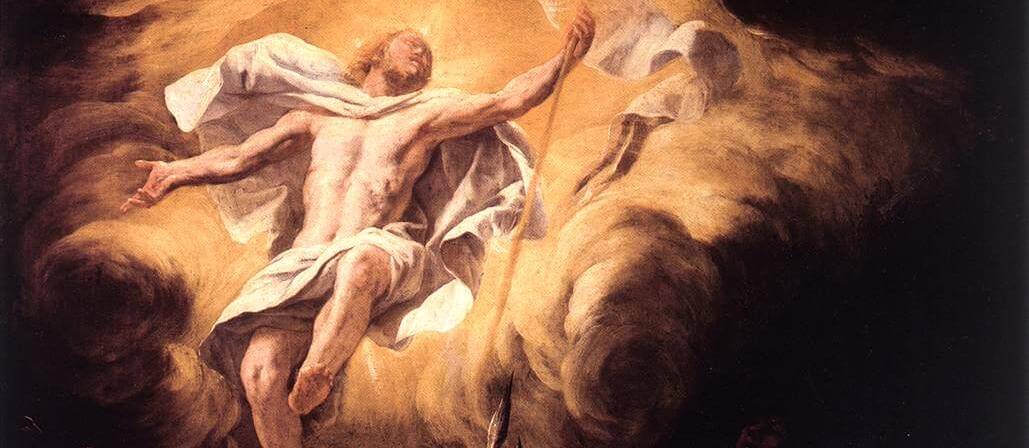
The Resurrection as a historical event
Posted by Luke J. Wilson on 29th April 2017 in Easter | resurrection,easter,apologetics,history,historical
...st into a new creation, despite keeping our “old” bodies in the meantime (see Col 2:12; Col 3:1; Eph 2:5-6; Rom 6:4). This, I believe, is why there was such an emphasis on the importance of baptism in the early Church, and why it’s something sacred we should also highly esteem and not take lightly.
While these verses (and many others) make it clear that through baptism we die to our old selves and are raised anew in Christ, we must also understand that this prefigures our future resurrection when we finally “put on immortality” (1 Cor 15:53-54). Though we will eventually die physically in the body, we won't die at all because death is defeated and it...
Armageddon Is Not A Battle Plan: What Revelation Actually Says — And Why It Matters Right Now
Posted by Luke J. Wilson on 12th March 2026 in Eschatology | politics,Trump,Donald Trump,evangelicalism,end times,armageddon,eschatology
...Something bizarre happened in the White House Oval Office this week. Photographs circulated on social media showing President Donald Trump seated at his desk, surrounded by approximately twenty Christian pastors from across the country, their hands extended towards him in prayer. The image provoked sharply divided reactions: some saw it as a moving expression of faith; others found it deeply unsettling. Whatever one makes of the optics, it arrived at a charged moment.
Trump held a prayer meeting in the Oval Office after his administration admitted the war with Iran will likely last weeks longer than promised | Credit: Dan Scavino's X account
Days earlier,...
The Coming of Jesus: Revelation Fulfilled?
Posted by Luke J. Wilson on 31st December 2015 in Second Coming Series | Revelation,Second Coming,Preterism,apocalypse,armageddon,fulfilled prophecy,Return of Christ,Return of Jesus,Eschatology
...Don’t let the title put you off, we’re about to go on a mad journey through the annuls of history and the Roman Empire, contrasting what John saw in his vision with what has already played out on the “world’s stage” and what we possibly have to look forward to!
First though, let’s look at a little history concerning the book itself before delving into its contents. Why do this? For a couple of reasons really: one, Revelation has some dispute over the year in which it was written, which can impact on the interpretation. Two, at various points in early church history, the book was held in suspicion of being spurious and almost...
Powered by WebBoss.io 3.7.1
Copyright © 2026 The Sacred Faith: Timeless Truths for Modern Minds. All Rights Reserved.
