
Blog Search Results


207 results for the church
found
within the Blog
6 displayed out of 207 (0.28seconds)Page 3 of 35
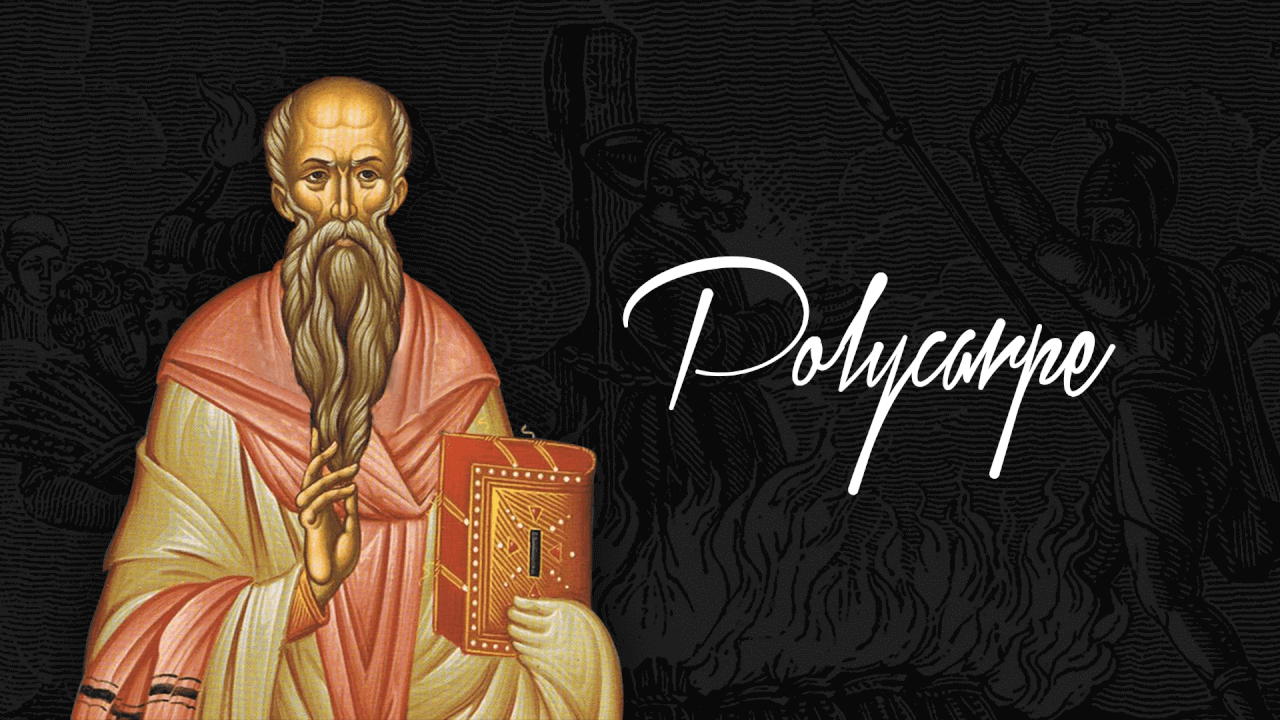
How Polycarp (And Others) Show the Early Use Of the New Testament
Posted by Luke J. Wilson on 21st November 2021 in Early church | early church,early church fathers,polycarp,new testament,canon,biblical canon
...angel of the church in Smyrna” mentioned in Revelation 2:8, which I think is pretty nifty.
So you can see from this that Polycarp is an important link back to the Apostles and the next generation of leaders that followed them. Even Irenaeus, as the next link from Polycarp gives us a bridge with close relations to the original Twelve and what was passed on and preserved.
But if you don’t know much else about Polycarp, you may be familiar with a famous quote from him: “86 years I have served him [Jesus], and he never did me any injury”. He said this when asked to deny his faith when facing the man who could (and would) have him burned at the stake to di...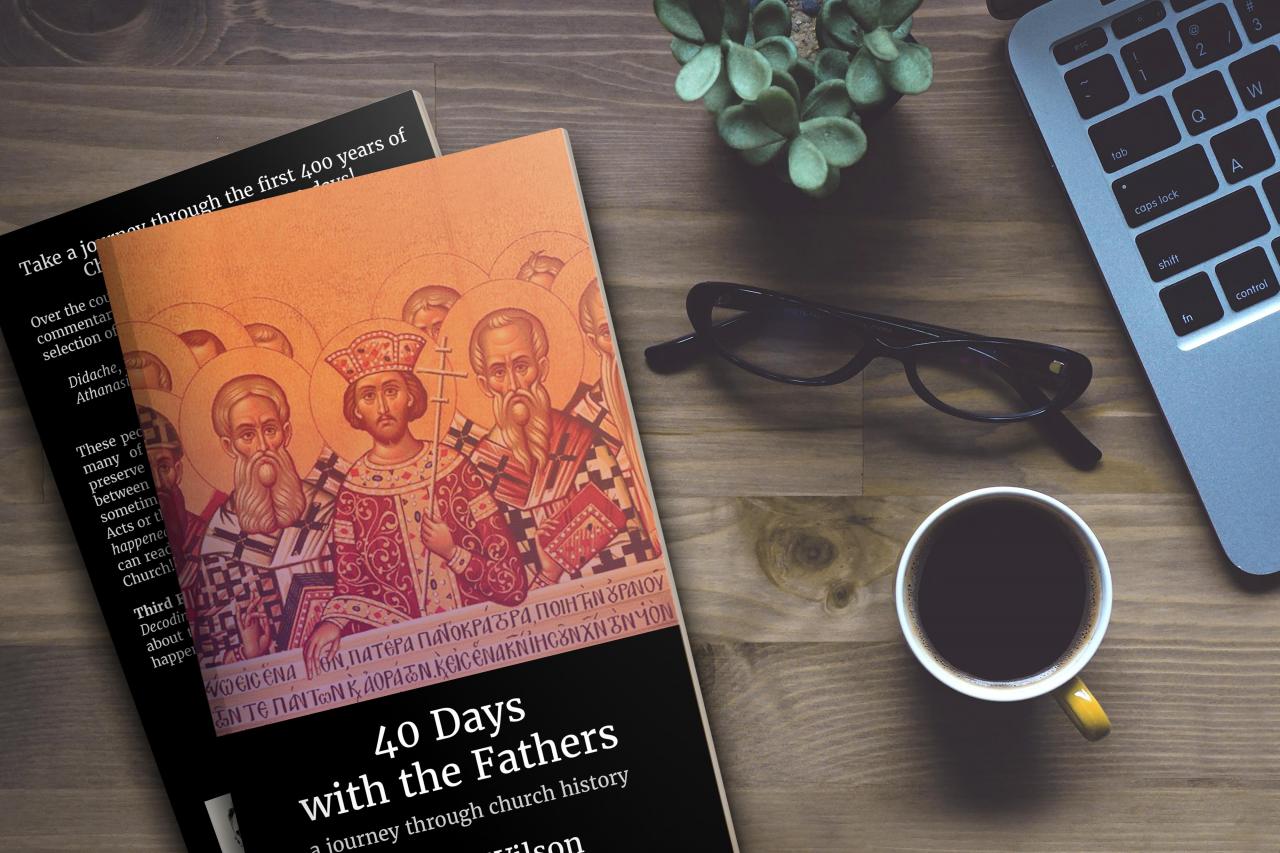
A Journey Through church History
Posted by Luke J. Wilson on 31st January 2022 in Book Release | church fathers,church history,book release,council of nicaea
...After many, many months of working on this in between COVID and other “life events” that kept me busy, I’ve finally released the Third Edition of my book, 40 Day With the Fathers: A Journey Through church History!
the Third Edition includes: a foreword by Paul Pavao (author of Decoding Nicea), updated content and also a new chapter about the Council of Nicaea explaining what did (and didn’t) happen there.
“I cannot imagine there is a better way to get familiar with 350 of the most important years of church history in seven hours spread over 40 days.” — Paul Pavao, author of Decoding Nicea
If you are unfamiliar with my previous editions...
Lent Day 20: Cyprian: On the Unity of the church: 19-27
Posted by Luke J. Wilson on 23rd March 2017 in Lent | Lent,great lent,fasting,early church fathers,devotional,daily reading,Cyprian,Bishop of Carthage,unity
...Day Twenty: St. Cyprian: On the Unity of the church: 19-27
Who: Third century bishop of Carthage (in modern Tunisia), and martyr from Africa
What: A letter to encourage the unity of the church against schisms and heresy during massive Roman persecution
Why: A disturbance had happened in the church because of a priest called Novatian — a schismatic of the third century, and founder of the sect of the Novatians. Cyprian wrote to counter this and argues that there can only be one united church, and the Novatian breakaway was a false church and that Novatian was an antipope.When: Around 249 AD
You can find today’s reading on page 102 here: lentfatherscomple...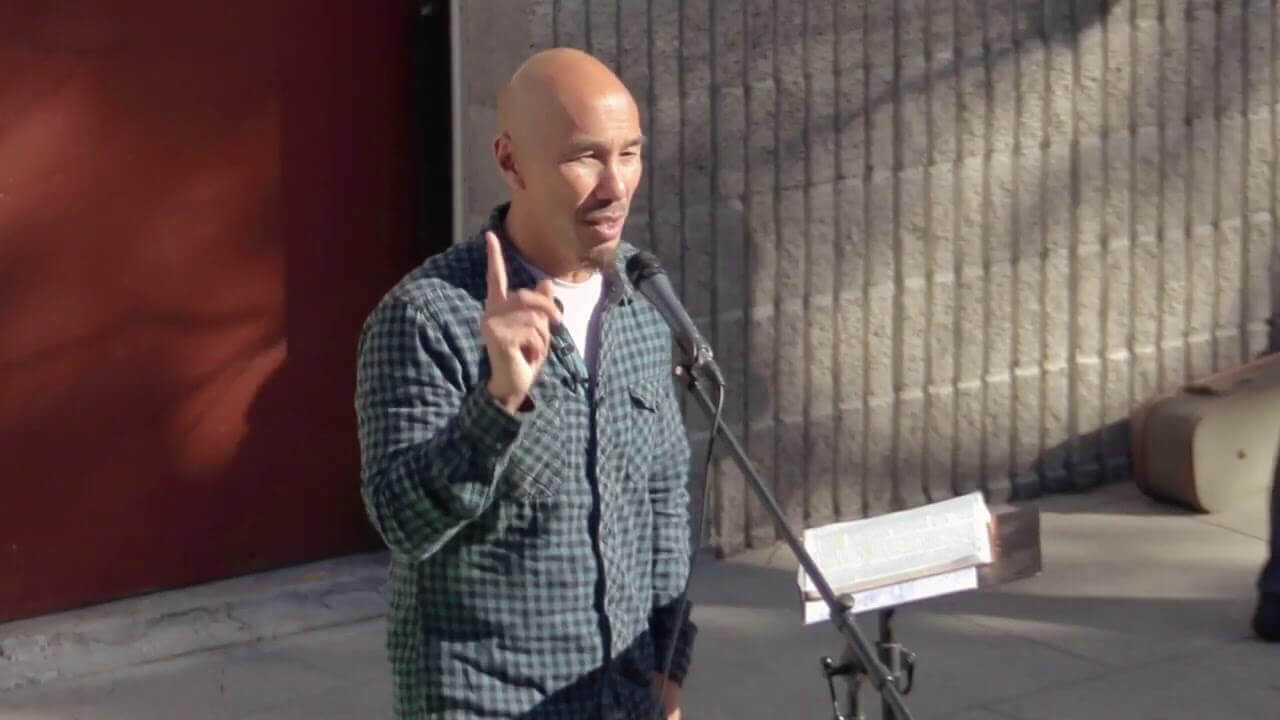
Francis Chan turns towards a more historical and ancient view of Communion
Posted by Luke J. Wilson on 14th January 2020 in General Interest | eucharist,communion,francis chan,church fathers,church history,controversy
...centre of the church, it was the body and blood of Christ…”
Another area he touches on is the centrality of the Eucharist to the ancient church compared to many modern, Evangelical church services today, where it’s the speaker or sermon which is the focus and communion sometimes gets sidelined. the effect of the Reformation in the 16th century on theology as a whole was when the position of the pulpit really started to shift its focus from off-center to the central positioning common today.
I agree with him here, and that point is definitely part of my own journey in why I’ve recently joined the Anglican church, as I enjoy the fact that the whole of t...
Melchizedek to Jesus: the Divine Thread of Bread and Wine
Posted by Luke J. Wilson on 27th June 2024 in Eucharist | eucharist,Melchizedek,bread of life
...This past Sunday at church, we were looking at Genesis 14 in the sermon. there’s a lot going on in this chapter with nine different kings all at war fighting one another, and Abram and Lot somehow mixed up in the middle of it (this is before Abram is renamed to Abraham). Sodom gets invaded, Lot gets taken captive (along with everyone else) and then Abram mounts a daring rescue with 318 of his men! It’s really quite action-packed for such a short chapter. I don’t know about you, but I always think of Abraham as this kindly old man, not some tribal warrior ready to go all “Taken” on his enemies (Gen 14:14–16).
Abraham, probably
It’s in the mids...
Does Easter Have Pagan Origins?
Posted by Luke J. Wilson on 22nd March 2021 in Easter | Easter,easter sunday,early church,church history,paganism,pagan roots,Ishtar,Eostre,fertility goddess
...ers” to the churches at this time of year to encourage fasting, self-control and moderation, linking the 40 days to the length of Jesus’ fast in the desert. His letters are useful as they show quite clearly that the time of Lent and Easter has been established for many centuries in the church, and have nothing to do with paganism as they predate any Anglo-Saxon or German goddess by about 600 years (if they even existed)!
the beginning of the fast of forty days is on the fifth of the month Phamenoth [Ash Wednesday]; and when, as I have said, we have first been purified and prepared by those days, we begin the holy week of the great Easter on the tenth of t...
Powered by WebBoss.io 3.7.1
Copyright © 2026 The Sacred Faith: Timeless Truths for Modern Minds. All Rights Reserved.
